
Introduction: A Warm Welcome to Indonesian Flavor and Craft
Indonesian cuisine celebrates balance, aroma, and patience. In Easy Indonesian Vegan & Vegetarian Dishes: Beef Rendang and More for Date Night at Home, rendang stands as a vivid example of this culinary artistry. The dish blends fragrant spices, coconut milk, and careful simmering to create a stew that feels both comforting and celebratory. This post highlights the cultural value and culinary significance behind rendang and related dishes, inviting readers to savor a meal that honors technique, family memory, and the beauty of Indonesian cooking.
The Core of Rendang: Craft, Texture, and Depth
Rendang is built on a foundation of spice and scent. A paste of shallots, garlic, ginger, galangal, turmeric, lemongrass, and chilies is toasted to release essential oils. Coconut milk adds richness, while pandan and various herbs give a bright, fresh edge. The slow simmer thickens the sauce until it clings to each piece, producing a deep, glossy finish. This transformation—fragrance rising, color deepening, and heat mellowing—speaks to a respected technique passed down through kitchens across the archipelago. The result is a dish that feels rooted in place, yet welcoming to any table.
Plant-based Adaptations: Maintaining Spirit While Modernizing
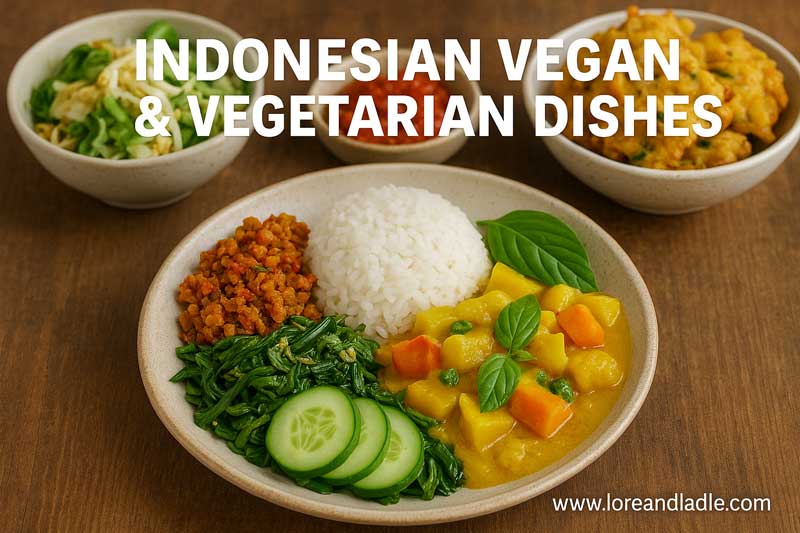
The idea of vegan and vegetarian rendang honors the same culinary essence while embracing plant-based ingredients. Mushrooms, especially king oyster or portobello, mimic the tender bite of meat and absorb spice beautifully. Jackfruit offers a fibrous texture that holds the sauce well. Tempeh and tofu provide protein and structure, allowing cooks to recreate the hearty feel of a traditional rendang without animal products. In every version, the spice paste remains the heart, and the long, patient simmer remains the method. These adaptations keep the craft intact while inviting a wider range of cooks and diners to experience the flavor and technique.
Cultural Moments: Food as a Shared, Everyday Craft
Indonesian cooking often centers around gatherings, family, and shared meals. Dishes like rendang appear on tables alongside a mosaic of other small dishes, encouraging a sense of community on the plate. The practice of balancing sweet, salty, and spicy notes mirrors a broader culinary sensibility: celebrate harmony through careful seasoning and timing. The dish also demonstrates how resilience and ingenuity shine in the kitchen, as cooks layer spices, simmer slowly, and monitor each reduction with care. It is a dish that invites discussion about technique, aroma, and the joy of a well-made meal.
Sensory Journey: Aroma, Color, and the Pleasures of Eating
Cooking rendang fills the kitchen with a warm, complex aroma. The aroma alone signals that time and attention are at work. The color—deep amber-brown—speaks of caramelization and a rich sauce that clings to the meat or plant-based substitute. The texture offers a balance between soft tenderness and gentle bite. Finally, the flavor delivers a layered profile: nutty spice, creamy coconut, a hint of sweetness, and a bright finish from fresh lime or herbs. This sensory journey makes the dish memorable and gives date night a sense of ceremony, even at home.
Date Night at Home: Slow Cooking as a Shared Experience
For date night, rendang invites a mindful cooking experience. The low heat and extended simmer encourage patience and conversation. The kitchen becomes a space of collaboration, from preparing the spice paste to adjusting the final saltiness. Serving the dish with fragrant rice, crisp vegetables, and a small squeeze of lime creates a balanced plate that honors Indonesian culinary thinking. In this setting, the dish is more than sustenance; it becomes a ritual of care, connection, and the delight of tasting something thoughtfully made.
Global Appreciation: A Timeless Craft Reaching Many Tables
While rooted in Indonesian cooking, rendang has found admiration well beyond its borders. Cooks around the world experiment with the same spice base and technique, adapting it to local ingredients while preserving the core sense of depth and patience. This cross-cultural appreciation highlights the universal appeal of a dish that celebrates slow cooking, aromatic spices, and the satisfaction of a well-reduced sauce. It stands as a reminder of how traditional methods can inform modern, plant-forward cooking with warmth and dignity.
Closing Thoughts: Honoring Craft, Flavor, and Kindness at the Table
In this collection of Easy Indonesian Vegan & Vegetarian Dishes, the spotlight on rendang demonstrates the beauty of Indonesian culinary craft. The dish offers a lesson in how spices, textures, and time come together to create something greater than the sum of its parts. Whether you choose a vegan version or a traditional beef rendition, the process honors technique and heritage while inviting contemporary home cooks to share in a storied, flavorful experience. May your date night at home be a celebration of flavor, respect for craft, and the joy of cooking that brings people together.