
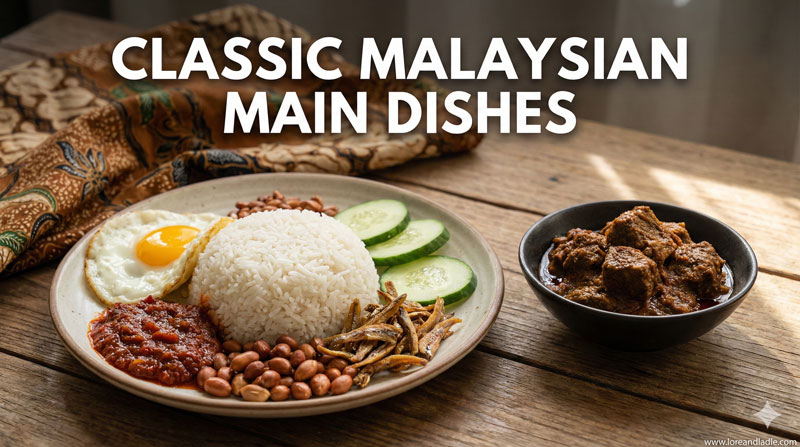
Beef Rendang That’s Winning Over Foodies Across the U.S. is more than a dish. It is a lesson in patience, balance, and the artistry of spice. Across cities from coast to coast, diners are discovering how a simple mix of beef, Coconut Milk, and a fragrant paste can become a quiet celebration of culture. This post highlights the cultural value and culinary significance of rendang, inviting readers to savor its depth and how it sits within the American food landscape today.
A Dish That Bridges Flavors
Beef rendang welcomes a crowd by presenting both familiarity and novelty. Tender beef meets a bold, layered sauce that carries notes of sweetness, warmth, and a gentle heat. The dish invites discussion about texture and aroma, and it rewards curiosity with every bite. In homes and on menus, rendang acts as a bridge—connecting simple comfort with bright, complex spice.
The Language of Spice: What Makes Rendang Unique
The essence of rendang lies in its spice paste. Onions, garlic, chilies, lemongrass, turmeric, and galangal mingle with coriander and cumin. The paste is toasted and simmered into a coconut milk bath. The result is a sauce that clings to meat as it concentrates, turning a piece of beef into a tasting beacon for warm, savory flavors. The balance between fat, spice, and aroma gives rendang its distinct signature, inviting careful savoring rather than quick chewing.
The Craft: Slow Simmer and Spice Paste
Rendang is a study in time and technique. Beef is browned, then simmered slowly with the spice paste and coconut milk. Low heat allows the liquid to reduce steadily, thickening until the oil rises and fragrant oils bloom in the air. Gentle stirring prevents sticking while building a glaze that coats each strand of meat. The patience behind this method makes the dish feel like a quiet performance in a kitchen, where every minute adds depth.
The Cultural Value: Shared Meals and Family Traditions
In its heart, rendang is a dish of sharing. Families and communities prepare it for gatherings, celebrations, and special meals. It becomes a thread that ties periods of daily life to moments of festivity. The cooking ritual—careful paste preparation, slow braising, and testing for tenderness—offers a tactile way to pass down memory and craft. This is how cultural value shows up in a kitchen: through recipes that travelers bring home, through friends swapping notes, and through cooks who refine a technique to honor a tradition while inviting new audiences to participate.
A Rising Favorite Across the U.S.
Across the United States, rendang has moved from niche menus to everyday tables. Chefs in diverse neighborhoods introduce rendang as a way to expand a menu with depth and hospitality. Home cooks experiment with timing and heat, discovering personal takes on the spice blend and the cooking rhythm. The dish’s universality lies in its adaptability: the same technique can produce a familiar, comforting meal or a bold, adventurous centerpiece. In every version, rendang remains a study in how flavor travels and how careful cooking can elevate a meal into an experience.
Plating and Aroma: The Dining Experience
Plating matters as much as taste. A glossy, dark glaze coats the beef, and a blanket of warm spice scent fills the room. The dish often rests beside steamed rice, allowing the sauce to mingle with each grain. Crispy shallots or toasted coconut can add a textural contrast. With every plate, the aroma signals the care behind the preparation and invites diners to slow down, observe the color, and anticipate the first bite.
Pairings and Context: Rice, Acar, and Teh
Rendang pairs beautifully with simple accompaniments that honor balance. Plain white rice or fragrant jasmine rice lets the sauce shine. A crisp pickle of vegetables, known in some kitchens as acar, provides a bright counterpoint to the richness. A cool cucumber salad can offer freshness between bites. Tea or a light, sweet beverage helps cleanse the palate as the meal unfolds. These pairings highlight how rendang sits within a broader table experience, where textures, temperatures, and flavors converse.
How Home Cooks and Restaurants Embrace Rendang
Both home cooks and professional kitchens bring rendang to life through careful technique and thoughtful sourcing. at Home, cooks often customize heat levels and spice blends to suit family preferences, turning a traditional recipe into a personal memory. In restaurants, chefs showcase rendang as a centerpiece that sparks conversation about regional flavors, cooking patience, and the joy of shared meals. In every setting, the dish demonstrates how culture thrives when a recipe is honored, adapted respectfully, and shared with guests who bring their own curiosity.
A Quick Guide to Enjoying Rendang
- Take a moment to inhale the aroma before tasting; it guides your sense of spice and sweetness.
- Start with a small bite to appreciate the balance of beef tenderness, oiliness, and glaze.
- Pair with rice to let the sauce linger on the palate.
- Notice how textures shift from the smooth sauce to the occasional tender piece of meat.
- Share the experience with others at the table; rendang invites conversation as much as it invites tasting.
Beef rendang offers more than flavor. It carries a quiet cultural value: a methodical craft that rewards patience, a sense of gathering around a table, and a bridge between culinary traditions and contemporary dining. Across the U.S., this dish continues to win over food lovers by offering depth, warmth, and a compelling story told through spice and time. If you seek a meal that honors craft while inviting curiosity, rendang stands ready to welcome you to its rich, aromatic world.