
Introduction
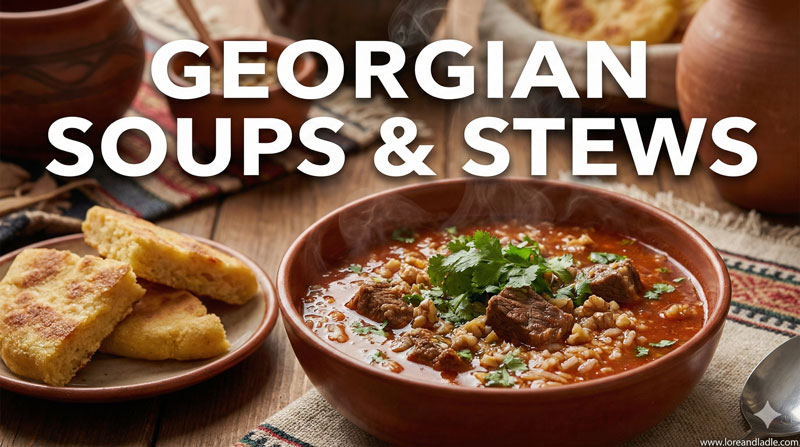
How to Pair slow-cooked beef soup with tarragon with Simple Sides invites readers to savor a dish that blends depth and brightness. This blog centers on the cultural value of the pairing and its culinary significance. You will see how patience in preparation and clarity in flavor can elevate everyday meals into moments of shared joy. The dish speaks to a kitchen’s warmth, the way a family or a gathering creates a memory around a pot, and the simple joy of bringing ingredients to life through careful technique.
The Slow-Cooked Beef Soup: A Cultural Heart
Slow-cooked beef soup has a timeless presence in many homes. Tender meat, clear broth, and a whisper of aromatics tell a story of time, care, and place. The method—low heat, extended simmer, careful skimming—transforms humble ingredients into a soulful dish. This approach honors tradition while inviting innovation. It celebrates restraint and attention, two virtues that elevate flavor beyond the surface. The result is a nourishing bowl that invites lingering at the table and conversations that flow as naturally as the steam rising from the broth.
Tarragon: Bright, Elegant, and Distinct
Tarragon adds a bright, slightly anise-like note that cuts through richness without overpowering it. The herb brings freshness and lift to the beef base, creating a harmonious balance. Its aroma frames the meat’s savor while guiding the palate toward clean finish and gentle complexity. in the context of this dish, tarragon functions as a conversational partner—never the star, always a smart companion that clarifies the flavors around it. This careful balance showcases how a single herb can shape an entire meal’s mood.
Simple Sides: Textures and Harmony
Simple sides matter as much as the main pot. Crusty bread or rustic rolls provide a satisfying contrast with the smooth broth. Lightly salted potatoes or a bed of greens offer starchy or fresh counterpoints that absorb or brighten the sauce. Pickles or quick-pickled vegetables can add a zippy brightness, while a plain yogurt dollop offers a cooling note. The aim is to choose sides that complement the beef’s depth and the herb’s brightness without crowding the palate. These choices keep the dish accessible while allowing room for personal taste and seasonal produce.
How to Pair: Principles in Practice
Pairing starts with balance. Choose sides that match the broth’s richness with a counterpoint of texture or acidity. For example:
– A slice of crusty bread warms every bite and soaks up flavor without masking it.
– Boiled or roasted potatoes introduce a gentle starch that remains unobtrusive next to the herb’s brightness.
– Fresh greens dressed lightly provide a minty or peppery note that refreshes the palate between spoonfuls.
Next, consider the herb and spice echo. If the soup leans toward deeper savory notes, favor lighter, crisp sides to lift the meal. If the broth feels bright, you can lean into richer sides to create a pleasing contrast. Finally, serve at a relaxed pace. Allow guests to combine elements in small, evolving bites. This rhythm honors the dish’s communal spirit.
The Cultural Value and Culinary Significance
This pairing embodies how everyday cooking can become a thread that ties meals to memory. The slow-cooked broth teaches patience and care, values that foster a sense of home and welcome. Tarragon’s brightness demonstrates how a simple herb can steer a dish toward elegance, making a family meal feel refined without demanding ceremony. Simple sides reinforce the idea that hospitality shines in generosity of flavor and balance, not in complexity. In many kitchens, such combinations become a canvas for personal expression—adjusting the bread crust, the greens, or the pickles to reflect the season or the guests present. The dish’s beauty lies in its universal accessibility and its ability to elevate routine dinners into small rituals of gratitude and shared care.
Practical Tips for Home Cooks
- Start with a clear beef stock or bone broth as the base. A clean liquid lets the tarragon’s aroma shine.
- Add tarragon toward the end of cooking to preserve its bright character.
- Taste regularly and adjust salt gradually to keep the broth balanced.
- Choose a side that matches your plan for texture: crusty bread for dipping, potatoes for heartiness, or greens for a crisp finish.
- If you wish a lighter meal, pair with a simple yogurt sauce or a lemony drizzle to brighten the plate.
- Make the dish ahead of time. Reheating often enriches the depth of flavor, and the herb note remains distinct when stirred in just before serving.
A Simple Menu Idea to Try
- Slow-cooked beef soup with tarragon as the star.
- Side 1: Crusty baguette slices spread with a light garlic butter.
- Side 2: Steamed new potatoes tossed with a touch of olive oil and parsley.
- Side 3: A small green salad with a lemon vinaigrette to add freshness.
This trio offers a well-rounded plate that respects the soup’s character while inviting conversation and comfort at the table.
Growing Your Appreciation: Sensory and Seasonal
As you cook, notice how aroma, texture, and temperature interact. The warmth of the broth invites generosity; the herb’s aroma invites a second helping; the sides invite a new bite and a new memory. Seasons influence the experience too. In cooler months, heartier sides can feel especially fitting. In warmer months, lighter greens or a crisp pickle can heighten the sense of balance. The dish adapts to the moment, yet the core idea remains: thoughtful pairing enhances flavor, and shared meals honor the everyday beauty of cooking.
Conclusion
How to Pair slow-cooked beef soup with tarragon with Simple Sides presents more than a recipe. It offers a window into how flavor, technique, and seasonably chosen accompaniments create a culturally rich dining moment. The dish celebrates patience, clarity, and hospitality. It invites cooks to explore small, deliberate choices that yield meaningful taste experiences. In every bowl, you taste a community’s care—an invitation to gather, savor, and linger together.