
Introduction
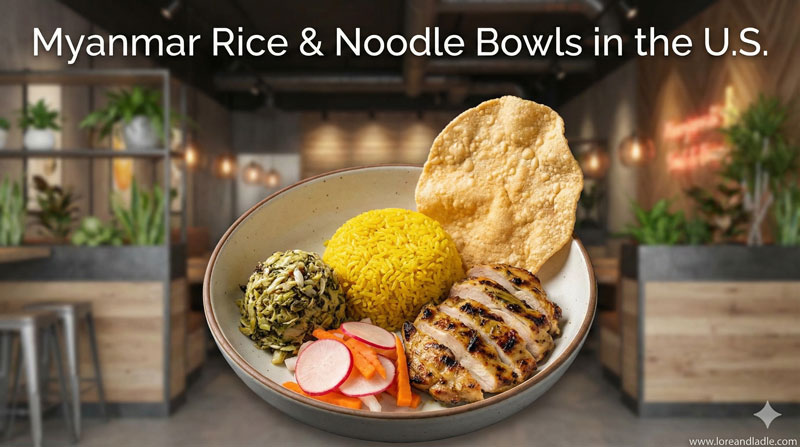
Beginner-Friendly Myanmar Rice & Noodle Bowls in the U.S. to Make at Home invites you to a gentle, flavorful world. This dish is a celebration of balance, color, and simple techniques. It blends rice and noodles in one bowl, layering textures and bright flavors that feel both comforting and fresh. The experience honors Burmese culinary roots while welcoming Home Cooks to explore without fuss.
The heart of Burmese bowls
In Myanmar, meals often center on harmony. Fresh herbs, citrus brightness, a touch of saltiness, and a hint of spice come together to lift everyday ingredients. Rice and noodles are flexible canvases that pair with vegetables, herbs, and sauces. These bowls reveal how a few well-chosen elements can create depth and delight. They are approachable yet expressive, inviting new cooks to taste and learn with every bite.
Core ingredients and flavors
- Rice: Steamed jasmine rice provides a soft, aromatic base.
- Noodles: Thin egg noodles or rice vermicelli add a gentle, comforting chew.
- Protein: Shredded chicken, flaky fish, or tofu offer protein without overpowering the bowl.
- Fresh herbs and greens: Cilantro, mint, lettuce, and cucumber bring brightness and crunch.
- Crunch and aroma: Crispy fried onions or garlic add aroma and texture.
- Pickles and vegetables: Lightly pickled mustard greens or fresh pickles introduce a tangy angle.
- Sauce elements: A simple mix of lime juice, fish sauce or a soy alternative, a touch of sugar, and crushed chili awakens the flavors.
- Optional depth: A small spoon of ngapi (fermented fish paste) or a vegan substitute can add a classic umami note for those who enjoy it.
Preparing at home: a simple approach for beginners
- Cook rice and noodles separately, then set them side by side in bowls.
- Prepare a bright, balanced sauce: lime juice, a splash of fish sauce or soy, a pinch of sugar, and a dash of chili. Whisk until smooth.
- Add protein, then top with fresh herbs and greens.
- Finish with crunch from fried onions and a few slices of cucumber for refreshment.
- Assemble bowls by layering rice on one side and noodles on the other, then artfully arrange the toppings on top. The result is a colorful, inviting presentation.
Variations to suit taste
- Vegetarian option: Use tofu or mushrooms for protein. Add avocado or toasted peanuts for richness.
- Seafood option: Swap in shrimp or white fish, brushed with a light sauce and lime for a coastal note.
- Light version: Lean toward more herbs and citrus; reduce fried toppings for a cleaner bite.
- Spicy lift: Double the chili in the sauce or offer a side of chili oil for guests to customize.
Plating, aroma, and serving
presentation matters as much as taste. Use a wide bowl to showcase the ingredients. Arrange rice and noodles side by side, then crown with herbs, vegetables, and crunch. A squeeze of lime at the table invites each eater to adjust brightness. The aroma of fresh herbs and toasted onions makes the dining moment welcoming and celebratory.
Cultural value and culinary significance
These bowls embody Burmese culinary values of balance and freshness. They highlight how daily ingredients can become a respectful expression of care, seasonality, and shared meals. The combination of rice and noodles reflects flexibility in Burmese cooking, where staples support a range of flavors and textures. Fresh herbs, citrus brightness, savory sauces, and crisp toppings all work together to create a dish that is comforting, nourishing, and versatile. Preparing these bowls at home in the U.S. shows how traditional flavors can travel, adapt, and delight new diners while staying true to their roots. The result is a dish that feels both familiar and special, inviting everyone to savor the beauty of Burmese culinary craft.
Final thoughts
Beginner-Friendly Myanmar Rice & Noodle Bowls in the U.S. to Make at Home offer a graceful introduction to Burmese flavors. They are easy to assemble, flexible, and rich in cultural value. With simple steps, you can create a bowl that tastes like a small window into Myanmar’s kitchen—bright, balanced, and memorable. Enjoy the process, celebrate the colors, and share the bowls with friends and family as a warm, delicious bridge to Burmese food culture.