
Introduction
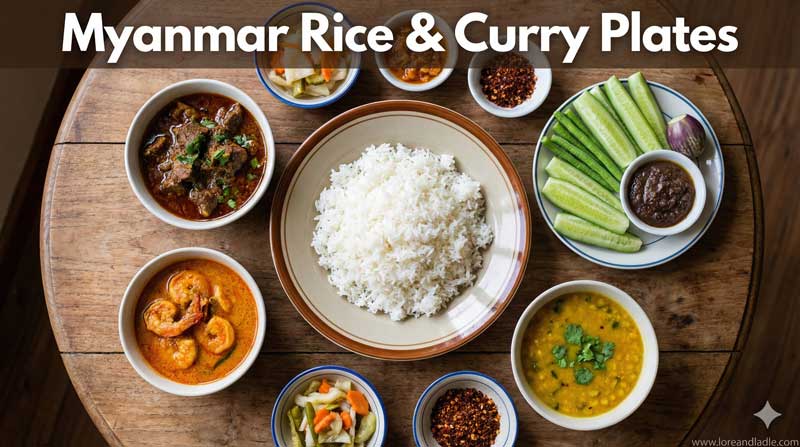
Meet the Beginner’s Roadmap to Cooking Myanmar Rice & Curry Plates at Home. This isn’t just a recipe; it is an invitation to experience a cultural practice that centers warmth, balance, and everyday joy. The dish blends fragrant rice with bright curries and assorted accompaniments, all arranged in a way that respects seasonal ingredients and the rhythms of a home kitchen. The plate speaks of care, hospitality, and shared meals. Here, the goal is to guide a curious home cook toward confidence while honoring the beauty of Myanmar’s everyday cooking.
The Heart and Harmony of the Plate
Myanmar rice and curry plates treasure harmony. Each element plays a role: the staple rice provides a neutral canvas, the curry brings depth with spice and aromatics, and the sides add color, texture, and brightness. The result is a meal that feels complete in one bowl or on one plate, yet offers variety with every bite. This balance reflects a cultural preference for meals that feel nourishing, approachable, and uplifting. When you prepare this dish at home, you join a long thread of cooks who have crafted simple, flavorful food that gathers people together.
Cultural Value in Everyday Life
Food in Myanmar often centers on daily life and shared routines. A well-prepared plate communicates care without ceremony, inviting conversation and comfort. The dish honors seasonality through fresh herbs, tart pickles, and crisp vegetables, turning ordinary ingredients into something memorable. By following the Beginner’s Roadmap, you learn not only technique but also how flavors, textures, and colors tell a story of place, family, and daily joy. The experience becomes a small tradition you can repeat, adapt, and pass along with a smile.
Core Components: Rice, Curry, and Accompaniments
The plate typically starts with rice as the foundation. A well-rinsed, fluffy grain supports the curry and sides. The curry brings warmth and a gentle tang, often enriched with aromatics like garlic, onion, ginger, and a touch of turmeric or chili. Accompaniments may include vegetables, legumes, or pickle-style condiments that add texture and brightness. Together, these parts create a complete, satisfying meal that feels both familiar and a little new with each variation.
Flavor Profile and Techniques
Expect a bright, layered flavor profile. Garlic and onion form the base, with spices like turmeric, coriander, and chili playing supporting roles. Fresh herbs, lime or tamarind brightness, and a subtle sweetness from caramelized onions or tomatoes balance the heat. Technique centers on building flavor step by step: bloom the aromatics, simmer the curry gently to meld flavors, and finish with a fresh lift of citrus or herbs. The goal is clarity and harmony, not heaviness. By embracing these practices, you can reproduce that inviting aroma and vivid taste in your own kitchen.
Ingredients That Tell a Story
The ingredients tell a story of place and season. Jasmine rice anchors the dish with a clean, fragrant note. Curries often rely on a blend of onion, garlic, ginger, and a chosen protein or vegetables. Fresh produce—greens, eggplant, okra, or beans—adds color and texture. A splash of lime, a spoon of fermented paste (when you choose to use it), and a few herbs finish the plate with brightness. Small condiments or pickles provide crunch and a touch of acidity that lifts the entire ensemble. Each ingredient is a small chapter in a larger narrative of everyday Myanmar cooking.
Practical Tips for Home Cooks
- Start with rice that cooks to a light, fluffy texture. Rinse well and cool briefly after cooking to avoid excess moisture.
- Choose a curry base that matches your preference for spice and richness. A tomato-lean curry will feel bright, while a coconut-lifted version will feel creamier.
- Use a simple set of aromatics: onion, garlic, ginger, and a touch of turmeric. Add chili gradually to reach your preferred heat.
- For accompaniments, pick fresh vegetables that you enjoy. Lightly steam or sauté them to preserve color and crunch.
- Balance flavors with acidity and brightness. A squeeze of lime at the end or a mild pickle on the side can transform the dish.
- Adjust portions to match the number of guests. The beauty of this roadmap is its flexibility.
- Keep the kitchen organized. Clear steps and ready ingredients reduce stress and invite creativity.
Plating, Pairings, and Shared Moments
Presentation matters in a culturally respectful way. Arrange a base of rice, spoon the curry beside it, and lay out the colorful vegetables or pickles as a vibrant border. A drizzle of herb or citrus finish ties the plate together. This setup invites conversation and sharing, which is at the heart of the dish’s cultural value. Pair the plate with a light soup or a simple salad if you like, and always end with a moment of appreciation for the ingredients and the hands that prepared them.
A Gentle Roadmap for Beginners
- Plan your shopping around a few core ingredients: rice, curry base, vegetables, and a bright finishing element.
- Learn a basic curry technique: bloom aromatics, add liquid, simmer until flavors meld, and adjust salt and sourness.
- Build confidence with small, repeatable steps. Master one curry and one set of sides before expanding.
- Taste often. Use your palate as a guide for adjusting spices, acidity, and sweetness.
- Embrace flexibility. Substitute vegetables and proteins based on what’s fresh and affordable.
- Celebrate progress. Each successful plate is a step toward a richer cooking experience.
Respectful Enjoyment and Cultural Voice
This dish honors a region’s culinary voice by highlighting balance, texture, and aroma. The journey of cooking Myanmar Rice & Curry Plates at Home is one of respect for ingredients, patience with technique, and joy in sharing. You are not merely cooking; you are participating in a living food culture that welcomes curiosity and practice. Clarity of purpose and a calm kitchen pace help you savor the process as much as the plate itself.
Final Thoughts
The Beginner’s Roadmap to Cooking Myanmar Rice & Curry Plates at Home offers a thoughtful, approachable path into a beloved everyday meal. It invites you to explore flavors, textures, and seasonal ingredients with care and curiosity. By embracing the plate’s cultural value and culinary significance, you learn more than a dish—you gain a gentle habit of mindful cooking and warm hospitality. Ready to begin? Gather your ingredients, set a calm pace, and let the kitchen become a small, joyful doorway into Myanmar’s delicious world.