
A Window into Myanmar’s Noodle Traditions
Myanmar’s noodle dishes tell a bright, everyday story of place and people. This dish, “Beginner’s Roadmap to Cooking Myanmar Noodle Favorites at Home,” invites you to taste that story at your own table. Noodles appear in markets at dawn and in home kitchens after a long day. They are simple yet layered with citrus, herbs, and savory broths. Each bowl carries a sense of place, from coastlines to upland towns, and from morning rituals to festive family meals. The result is a calling card of Myanmar’s food culture: generous, balanced, and bright with aroma.
What This Beginner’s Roadmap Covers
This guide centers on cultural value and culinary significance. It shows how a home cook can honor traditional flavors while building confidence in technique. You’ll learn how a few core ingredients and clear steps can yield bowls that feel both authentic and personal. The roadmap is designed to be welcoming, with practical tips that emphasize texture, aroma, and harmony of tastes. In short, it helps you connect with Myanmar’s noodle culture, one bowl at a time.
Core Noodle Dishes in Myanmar Cuisine
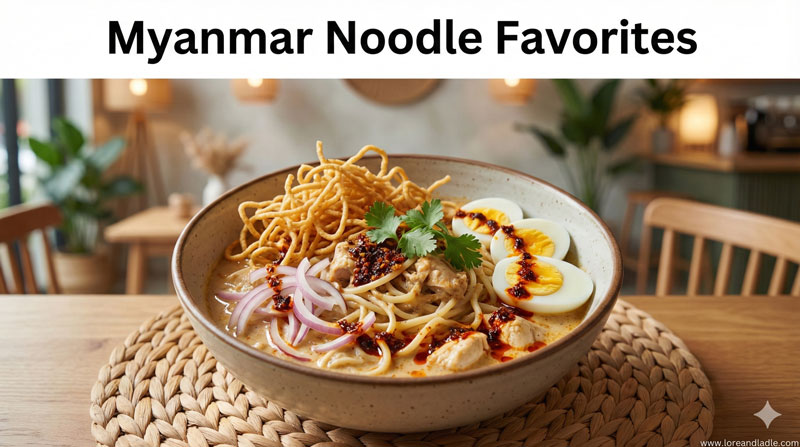
Myanmar’s noodle landscape is diverse. Mohinga, a fragrant fish-boru broth with lemongrass and onion, is a morning favorite for many. Ohn No Kauk Swe offers a coconut-chicken base with a silky finish. Meeshay blends rice noodles with meat and a savory sauce. Shan noodles bring a lighter, tomato-bright broth. Each dish showcases a balance of salt, sour, and a gentle sweetness. This roadmap highlights the ideas behind those bowls and teaches you How to recreate their spirit at home.
Techniques That Shape Flavor
The backbone of these bowls is technique. A clear, simmered broth lets aromatics shine. Quick stir-fry builds texture without losing freshness. A final drizzle of fish sauce or lime lifts the flavors. Toasted sesame or peanuts add a nutty contrast. These techniques honor the traditional cooking style while remaining approachable for beginners. The result is a clean, vibrant bowl that communicates care and craft.
Ingredients that Reflect Place
Ingredient choice tells a story of place. Lemongrass, garlic, shallots, and turmeric contribute warmth and brightness. Fish sauce and ngapi (fermented fish paste) bring depth. Fresh herbs, lime wedges, and chilies offer balance and brightness. The noodles themselves—rice noodles or wheat varieties—carry different textures and histories. Using familiar ingredients helps home cooks connect with Myanmar’s pantry and its seasonal rhythms.
Personalizing Noodle Bowls at Home
The roadmap encourages gentle personalization. Adjust broth strength to suit your palate. Vary toppings with crisp fried garlic, pickled greens, or crushed peanuts. Add a squeeze of lime for a fresh tang or switch chilies for more or less heat. This flexibility preserves respect for tradition while letting each home cook imprint their own taste. The bowls remain inviting, not intimidating.
The Shared Nature of Noodle Culture
Noodles are more than food; they are an invitation to share. In Myanmar, a meal often becomes a social moment—family, friends, neighbors gathering to enjoy a warm bowl. Gracious serving and mindful balance reflect care for others. This cultural aspect adds depth to every bite and makes the act of cooking more meaningful than the single recipe.
Getting Started with the Roadmap
Begin with a small set of core ingredients and one dish from the guide. Build confidence by practicing the essential technique: a well-seasoned broth, properly cooked noodles, and thoughtful toppings. Next, try a second dish to compare flavors and textures. Finally, invite someone to share the bowls with you. The path is about discovery as much as it is about taste.
Preserving Freshness and Seasonality
Seasonality informs flavor in Myanmar noodles. Fresh herbs, lime, and seasonal vegetables bring brightness. When possible, choose ingredients at their peak. This care enhances aroma and texture, making every bowl more satisfying and culturally resonant.
Conclusion
“Beginner’s Roadmap to Cooking Myanmar Noodle Favorites at Home” is more than a collection of recipes. It is a bridge to Myanmar’s noodle culture, highlighting how simple techniques and thoughtful ingredients can create bowls of connection, warmth, and beauty. Embrace the journey, savor the textures, and celebrate the everyday artistry of Myanmar noodles at your table.