
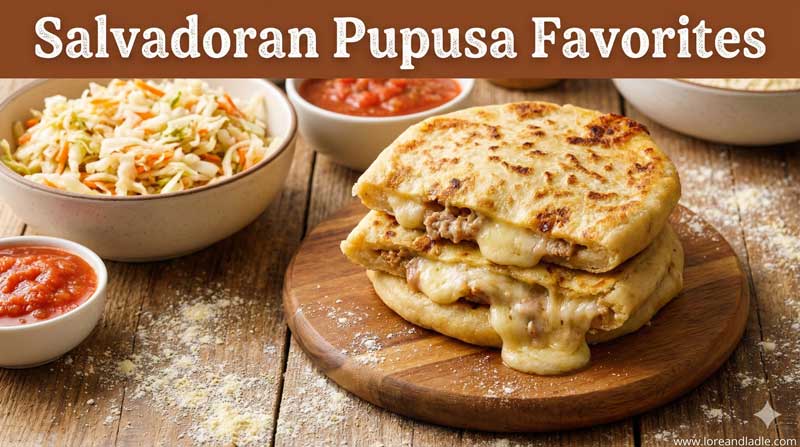
Introduction to a beloved dish
Salvadoran cuisine treasures a simple, satisfying idea: food that gathers people. The pupusa is at the center of that idea. When it is filled with loroco and cheese, it becomes a delicate balance of aroma, texture, and comfort. This post introduces the dish with care and curiosity. It highlights its cultural value and culinary significance, while staying welcoming and neutral. The journey you’ll read about is a celebration of craft, family, and daily joy at the table.
Beginner’s Roadmap to Perfect loroco and cheese pupusas from El Salvador Every Time
This is a practical guide wrapped in culture. First, gather the right elements. Fresh or briefly frozen loroco buds offer a bright, floral note. A mild cheese, such as queso fresco or a soft melting cheese, blends with the greens. The masa dough should be smooth and pliable. Salt adds balance, and water helps shaping. Next, prepare the filling. Chop the loroco finely and fold it with cheese to create a soft, even mix. Then, shape the dough. Divide the masa, pat it into a disk, place a spoonful of filling in the center, and seal by pinching the edges closed. Finally, cook with care. A hot comal or heavy skillet gives a gentle crust and a tender interior. Serve with curtido, a tangy slaw, and a bright salsa. These steps honor technique while inviting you to savor the cultural moment.
- Ingredients at a glance: masa de maíz, water, salt, loroco buds, mild cheese, curtido, salsa.
- Core technique: keep the dough smooth, keep the filling balanced, and fry until the edges blister just so.
- Finishing touch: a light press on the center to ensure even cooking, then rest briefly before serving.
This roadmap aims for confidence, not haste. With practice, you’ll feel the rhythm of the kitchen and the warmth of the table in every bite.
Loroco and cheese: a flower-tinted flavor story
Loroco is a signature Salvadoran note. The young buds bring a gentle floral aroma and a delicate green color. When folded with cheese, they create a subtle contrast: tenderness from the masa, brightness from the loroco, and creaminess from the cheese. This combination speaks to balance in Salvadoran cooking. The flower’s light profile makes it approachable for beginners, yet it carries a depth that delights seasoned cooks as well. The result is a pupusa that feels fresh, inviting, and deeply familiar.
The masa, the cheese, and the heart of the bite
Masa is the canvas. It must be soft, pliable, and lightly salted. Water adjusts the texture so the dough holds together without cracking. Cheese plays the role of tenderness and melt. A good choice is queso fresco or a mild melty cheese. When loroco joins in, every bite becomes a gentle union of flavor and mouthfeel. The craft lies in keeping the dough from getting too stiff or too sticky and in distributing the filling evenly so each pupusa tastes cohesive and complete. In this way, the dish reflects the patience and precision found in everyday Salvadoran cooking.
Cooking on a comal: rhythm and technique
A hot, flat cooking surface brings the pupusas to life. A traditional comal or sturdy skillet works well. Heat should be steady, not blazing. Place the assembled pupusa on the hot surface. Cook until the bottom turns a light gold and the edges show small blisters. Flip once, and cook the other side until it is equally golden and the filling is warm and set. Rest briefly after cooking to settle the flavors. The technique is simple, yet mastering the timing makes a big difference in texture and taste. The result is a soft center with a slightly crisp exterior, a hallmark of a well-made pupusa.
Serving and savoring: curtido and salsa
Serving complements matter as much as the filling. Curtido—a bright, tangy slaw made with cabbage, onions, sometimes carrot, and a vinegar pickling brine—lends crisp contrast and a lively finish. A simple tomato salsa adds a fresh counterpoint. These condiments are not extras; they are part of the cultural experience. They invite conversation, share, and enjoyment. When you serve a plate of pupusas with curtido and salsa, you invite others to slow down and savor the moment together.
Food culture at the table: values baked into each bite
Pupusas are more than food; they are a daily thread in Salvadoran life. Markets, family kitchens, and street stalls all celebrate this dish. It appears in midday meals, at gatherings, and during small celebrations. The act of making pupusas—kneading dough, filling with care, and sharing hot rounds—creates a sense of belonging. This practice expresses generosity, patience, and delight in simple flavors. The loroco-cheese combination embodies a bridge between floral brightness and creamy comfort, a pairing that reflects the region’s thoughtful balance between light and rich tastes.
A respectful, neutral look at regional flavors and variations
Across El Salvador, cooks adapt the filling to personal taste and local produce. Some prefer more loroco, others add a touch of spice or mix different cheeses. The core idea remains: a sturdy, well-made pupusa with a filling that complements the masa. This openness to small variations highlights the community of cooks who contribute to a shared culinary language. The dish remains approachable for beginners, while retaining its depth for long-time fans.
Final reflection: celebrating the beauty of the dish
Beginner’s Roadmap to Perfect loroco and cheese pupusas from El Salvador Every Time invites you to appreciate more than a recipe. It invites you into a culture where cooking is a form of hospitality, storytelling, and daily joy. The harmony of masa, loroco, and cheese mirrors the harmony families seek at the table: warmth, balance, and connection. As you practice, you’ll notice how each bite tells a story of craftsmanship and care. That is the enduring beauty of pupusas—simple ingredients, a thoughtful approach, and a moment shared with others.