
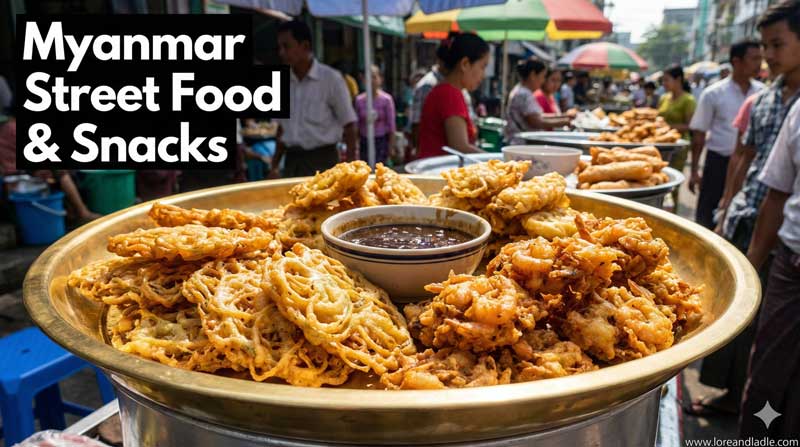
Introducing the Dish: Beginner’s Roadmap to Cooking Myanmar Street Food & Snacks at Home
This guide invites you into the heart of Myanmar’s street flavors, brought into a friendly home kitchen. The focus is on cultural value and culinary significance. It frames cooking as a shared, everyday art rather than a challenge to conquer. This roadmap helps beginners discover how simple steps can unlock bold tastes, textures, and aromas that echo markets, homes, and friendly gatherings across Myanmar.
Designed as a learning journey, the dish celebrates how street food translates daily life into bite-sized moments of delight. You will see how a humble snack or noodle bite carries memory, seasonality, and regional pride. The experience blends technique with respect for ingredients, showing that home cooking can honor tradition while inviting personal adaptation. In short, this dish is both a doorway and a conversation with Burmese culinary culture.
The Color and Rhythm of Myanmar Street Food
Myanmar street food moves with the day. Morning markets wake with the scent of fresh herbs, fish, and grilled treats. Later, busy lanes fill with steam and laughter as vendors offer quick bites to workers, students, and neighbors. This rhythm shapes the food itself: bright, fresh, and pocket-friendly, with options that suit many tastes.
Culturally, street food is a social thread. People share warm plates, compare flavors, and trade tips with one another. The snacks and small meals reflect a region’s harvest, climate, and local preferences. Flavors blend salty, sour, spicy, and savory in graceful balance. Textures range from crisp to tender, and from silky to chewy, inviting a careful attention to each bite. The Beginner’s Roadmap respects this rhythm by teaching techniques that honor the natural flow of Burmese cooking: quick heat, careful seasoning, and thoughtful plating that invites conversation.
Culinary Significance and Techniques
This dish highlights culinary significance in several clear ways:
- Flavor balance: Burmese snacks often balance sour lime or tamarind notes with salt, sweetness, and a touch of heat. The roadmap guides you to taste as you go, adjusting brightness with citrus, and depth with fermented sauces.
- Core ingredients: Fresh herbs, garlic and shallots, lemongrass, turmeric, chili, coconut milk, rice flour, and light fish sauces shape many Burmese bites. Knowing how these ingredients interact helps you reproduce authentic profiles in simple home steps.
- Textural contrast: Crisp edges, soft centers, and a touch of chew create memorable bites. The guide emphasizes frying, steaming, and quick pickling to achieve varied textures within a single dish.
- Flexible technique: The dishes are designed for home kitchens. Swap ingredients with what you have, yet keep the essential method intact. This keeps culinary heritage accessible and fun for beginners.
What you’ll learn in practice:
– How to tempura-fry delicate snacks for a crisp exterior and a tender interior.
– Quick pickling and fresh chutje methods that brighten plates without complexity.
– How to finish a dish with bright herbs and a squeeze of citrus to mimic street stall freshness.
– How to layer Flavors in steps, so each bite carries a clear signature of Burmese street food.
A Beginner-Friendly Path to Flavor
This roadmap is built for newcomers without assuming prior experience. It offers a clear path from pantry setup to the final plate. You’ll find:
- A concise pantry list: essentials like garlic, shallots, lemongrass, chili, lime, fish sauce, and rice flour. These form the backbone of many Burmese snacks.
- Step-by-step sequences: Each dish opens with preparation notes, followed by cooking steps that keep pace with a busy kitchen.
- Substitution tips: Seasonal produce or locally available ingredients can stand in for traditional items without losing character.
- Flavor checks: Short cues remind you to taste, adjust salt, balance sour notes, and maintain a gentle heat level.
You’ll also encounter gentle guidance on plating and presentation. The idea is to invite sharing, so consider how a simple plate can invite conversation, just as a street stall would.
Dishes You Might Explore at Home
The guide introduces you to multiple Burmese-inspired bites and quick snacks. Examples include:
– A crisp fritter made with herbs and a touch of coconut milk, perfect as an starter or tea-time bite.
– A bright tea leaf salad-inspired plate, shown in a simplified form for home cooks, highlighting texture and tang.
– A light noodle snack that uses a clear broth, fresh greens, and a few crunch elements.
– A coconut-based curry bite or dumpling that balances richness with citrus brightness.
These examples illustrate how diverse Burmese street snacks can be, while staying accessible for home kitchens. The roadmap encourages you to try several, notice which flavors sing to you, and refine your approach step by step.
How to Use the Roadmap in Your Kitchen
To get the most from this dish, follow a steady, patient pace:
– Start with core techniques: mastering a quick stir, a crisp fry, and a gentle simmer.
– Build your flavor deck: practice with one or two recipes, then expand as comfort grows.
– Note substitutions: record what you used and how you adjusted the flavor.
– Invite feedback: share plates with family or friends and listen to their impressions.
– Pair thoughtfully: complement bites with a simple tea or citrusy drink to mirror Burmese street dining.
The approach is practical and joyful. It demystifies street food and makes it approachable, so beginners can experience the culture in their own kitchen.
Respectful Appreciation: Sharing Meals and Heritage
Food carries memory and meaning. When you cook Burmese snacks at Home, you participate in a long tradition of sharing and hospitality. The scents, textures, and flavors become a bridge between your kitchen and the broader food culture. This dish emphasizes mindful sourcing, careful preparation, and generous plating. In turn, it invites admiration for the craft of Burmese street vendors and home cooks alike.
In Summary
Beginner’s Roadmap to Cooking Myanmar Street Food & Snacks at Home presents a respectful, welcoming path into a vibrant culinary world. It centers on cultural value and culinary significance, guiding you through flavors, textures, and techniques that define Burmese street food. The result is not just meals, but a personal conversation with Myanmar’s food culture—made accessible, enjoyable, and shareable in your own kitchen. If you seek warmth, color, and community in your cooking, this dish offers a meaningful doorway to explore, learn, and celebrate Burmese street snacks at home.