
Beginner’s Roadmap to Perfect vegan bean and veggie pupusas Every Time
Celebrating a cherished Salvadoran staple
Pupusas are more than a dish; they are a warm, welcoming part of daily life. In kitchens and on streets, they bring families and friends together. The dough, made from ground corn, carries memories of harvests and shared meals. Vegetables and beans offer color, aroma, and texture that reward careful cooking. This vegan version honors both the craft and the community behind the pupusa, inviting cooks of all levels to join in the celebration of flavor and technique.
The building blocks: masa and dough
The base is simple and bright. Use masa harina, water, and a pinch of salt. Mix until the dough feels soft and a little tacky to the touch. If the dough feels dry, add a bit more water; if it slides too much, spritz with a touch more masa harina. Let the dough rest for about 10 to 15 minutes. This pause helps the grains hydrate and the dough become easier to shape. A tiny amount of oil can be worked in for extra pliability, but it isn’t required. Clean, hydrated dough makes the next steps smoother and more reliable.
The vegan bean and veggie filling
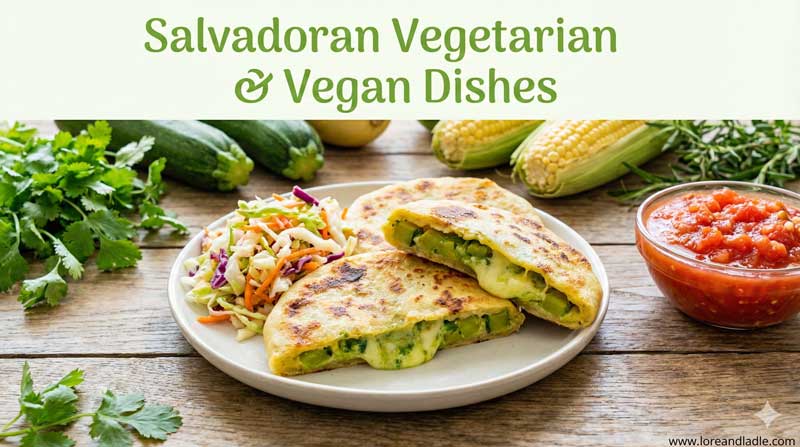
Bean fillings provide body and depth. Mash or lightly mash cooked beans, then season with garlic, cumin, and a pinch of salt. Add sautéed vegetables such as onions, bell peppers, zucchini, and corn for sweetness and texture. Fresh herbs like cilantro add lift. If you like a little heat, a small amount of chili powder or paprika works well. The key is a balance of creamy beans and crisp vegetables, so every bite feels complete.
Shape, fill, and seal: a simple technique
Divide the dough into about 8 equal pieces. Roll each piece into a ball, then flatten into a small disk. Place a spoonful of filling in the center, then lift the edges and pinch them together to seal. Gently press the stuffed dough into a flatter, round patty. The goal is a uniform thickness so the pupusa cooks evenly. If a seam shows, pinch it closed again. Practice helps confidence; each attempt tightens your technique.
Cooking for a perfect crust
Preheat a dry comal or skillet over medium heat. No heavy oil is needed; a light brush of oil can be used if you prefer. Place the pupusas on the hot surface and cook until the edges look set and the bottom turns a light golden. Flip and cook the other side until the crust is crisp and the bread inside is tender. Rest a moment before serving to let flavors settle.
Serving and cultural context
Pupusas shine when paired with curtido, a tangy cabbage slaw, and a fresh tomato salsa. A squeeze of lime and a few avocado slices brighten the plate. Sharing pupusas is a comforting ritual; the act of assembling, cooking, and passing plates around adds warmth to any gathering. This vegan version keeps the spirit alive by focusing on plant-based fillings that respect the dish’s traditional elegance and its place in everyday meals.
Variations and regional touches
Feel free to mix in seasonal vegetables or roasted peppers for color and depth. Other plant-based fillings can include sautéed mushrooms, spinach, or corn kernels for sweetness. Keep the moisture balanced; too much filling can make the dough hard to seal. The beauty lies in adaptable flavors that honor local produce and personal tastes while preserving the classic pupusa form.
Practical tips for dependable results
- Keep the dough soft but not sticky. Adjust with small amounts of masa harina or water as needed.
- Resting the dough improves pliability.
- Use warm water when mixing to help hydration.
- Keep your fillings neither too wet nor too dry. Drain excess moisture if needed.
- Cook on a steady medium heat for even browning.
- Practice sealing; even small folds matter for a neat, resilient pupusa.
Concluding note: the beauty of the dish
This beginner’s roadmap shows how gentle technique, thoughtful fillings, and patient cooking come together. The vegan bean and veggie pupusa becomes a bridge between tradition and fresh plant-based cooking. With each batch, you honor a beloved culinary form while inviting new flavors to your table. The dish remains a bright testament to the artistry and heart of home cooking.