
Introduction
Beginner’s Roadmap to Perfect classic cheese and bean pupusas Every Time invites readers into a beloved bite from Salvadoran meal culture. This post celebrates the dish’s cultural value and culinary significance. It highlights how a simple dough and two humble fillings can bring warmth to gatherings and everyday meals. With clear steps and thoughtful notes, this guide helps cooks of all levels approach pupusas with confidence and curiosity. The goal is to honor the tradition while enabling delicious, reliable results.
What makes cheese and bean pupusas special
Cheese and bean pupusas are more than a snack. They are a small celebration of proportion, technique, and balance. The dough carries the quiet strength of masa, while the fillings offer mild, comforting flavors that pair well with bright condiments. In many homes, shaping and cooking pupusas becomes a shared moment. Each buncha of dough is a canvas for care, patience, and attention to texture. The result is a warm, satisfying bite that speaks to everyday life, community meals, and the joy of good cooking.
Core culinary significance
The heart of the dish lies in masa dough and well-matched fillings. Masa provides a tender, cohesive bite when it is handled gently. The cheese adds a gentle pull, and the beans give smooth body and depth. Together, they create a harmony that is instantly comforting. This combination showcases the versatility of traditional ingredients and their ability to form a complete, satisfying meal. The technique—mild kneading, careful shaping, and patient cooking on a dry, hot surface—embraces simplicity and precision. The result is predictable quality that elevates home cooking into a comforting ritual.
Roadmap for Beginners
This section offers a practical, step-by-step approach to achieving consistent results with the classic cheese and bean pupusa.
- Step 1: Start with good masa
- Choose fresh masa harina and follow the package directions to hydrate it to a soft, pliable texture.
- Rest the dough briefly to hydrate fully; this helps the dough stay cohesive during shaping.
-
Think of the dough as a friendly, forgiving canvas. You want it to hold its shape without cracking.
-
Step 2: Prepare a simple bean filling
- Use cooked, mashed beans seasoned lightly with salt and a touch of fat for smoothness.
- Add a subtle, gentle flavor from garlic or onion if you like, but keep it mild to let the cheese shine.
-
The goal is a filling that is creamy enough to spread but not runny.
-
Step 3: Choose a cheese that melts well
- Select a mild, melty cheese blend. A gentle combination of cheese types can yield a smooth, stretchy interior.
- Shred the cheese so it distributes evenly and melts evenly inside the pupusa.
-
A balanced cheese ensures the filling remains cohesive with each bite.
-
Step 4: Shape with care
- Roll a small ball of masa, flatten into a disk, and place a line or small amount of filling in the center.
- Fold the masa over the filling and gently seal the edges to form a thick, evenly shaped disk.
-
Keep the edges sealed to prevent leaks during cooking.
-
Step 5: Cook with a hot, dry surface
- Use a seasoned comal or nonstick skillet over medium-high heat.
- Cook each pupusa until the exterior is lightly golden and crisp, about 2–4 minutes per side.
-
Flip carefully to avoid tearing the dough. The goal is a gentle, even browning.
-
Step 6: Rest briefly and serve
- Let the pupusas rest a moment after cooking to set the interior.
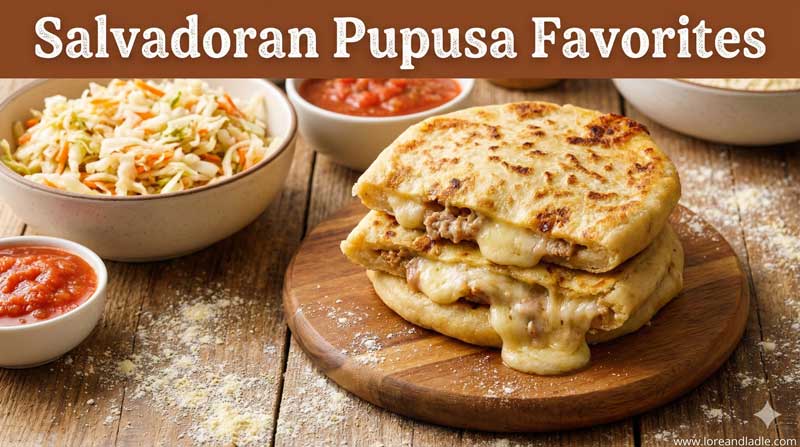
- Serve with traditional sides such as curtido (cabbage slaw) and a mild tomato salsa, if you like.
- Enjoy while warm to appreciate the contrast between soft interior and lightly crisp exterior.
Tips for consistent results
- Hydration and dough texture matter. If the dough crackles, lightly mist with water and rest a moment.
- Keep fillings modest. Too much filling makes sealing difficult and disrupts even cooking.
- Temperature control is key. Too hot and the exterior burns before the inside warms; too cool and the cheese won’t melt.
Cultural value and daily life
In homes and markets, pupusas are a symbol of everyday care. They appear at family meals, school lunchrooms, and street-side stalls, bright with aroma and warmth. Preparing cheese and bean pupusas together can become a small ceremony—parents teaching children how to fold, siblings passing down tips, friends sharing a fresh batch. The dish invites conversation, patience, and shared enjoyment. It is a way to mark a moment with a familiar, comforting plate.
Regional nuance and variation
While the cheese and bean combination is classic, regional preferences shape the experience. Some cooks prefer a sharper cheese for a bit more bite, while others seek a creamier, milder melt. Bean fillings range from smooth purée to lightly textured blends that retain a hint of the bean’s character. The method remains consistent—careful shaping, gentle cooking, and warmth—yet these small variations reflect the local palate and family traditions. The result is a dish that travels well in memory, if not always in geography, and still feels intimately familiar wherever it appears.
Pairing and presenting
A simple presentation honors the dish’s humble roots. Plate the pupusas with curtido and a light salsa to provide contrast in texture and brightness. The crisp crunch of the curtido highlights the softness of the pupusa, and the salsa adds a gentle brightness that complements the cheese and bean filling. The combination is approachable, making it a crowd-pleaser for gatherings and casual meals alike.
Frequently asked questions
- Why is the dough so important? The masa sets the texture and overall mouthfeel. Proper hydration and gentle handling prevent cracking and ensure a soft, cohesive bite.
- How do I know my cheese is melting well? If the interior shows a slight stretch and the exterior browns evenly, the melt is on track.
- Can I make ahead? Yes. Keep cooked pupusas warm in a low oven and reheat briefly before serving to preserve texture.
Final reflections
This beginner’s roadmap celebrates the beauty and craft of cheese and bean pupusas. It respects the dish’s role in everyday life while offering clear guidance for reliable results. By focusing on dough texture, balanced fillings, and careful cooking, Home Cooks can enjoy a delicious, comforting meal that carries a sense of place and tradition. Whether shared with family or offered to friends, these pupusas invite warmth, conversation, and a gentle sense of belonging around the table.
Conclusion
In short, the classic cheese and bean pupusa is a humble yet powerful expression of food culture. It embodies technique, balance, and communal joy. The Beginner’s Roadmap to Perfect classic cheese and bean pupusas Every Time provides a practical, respectful approach that honors the dish’s culinary significance. With patience and care, any cook can create a dependable, satisfying plate that feels both timeless and personal. Enjoy the journey, savor the bite, and celebrate the beauty of this beloved snack.