
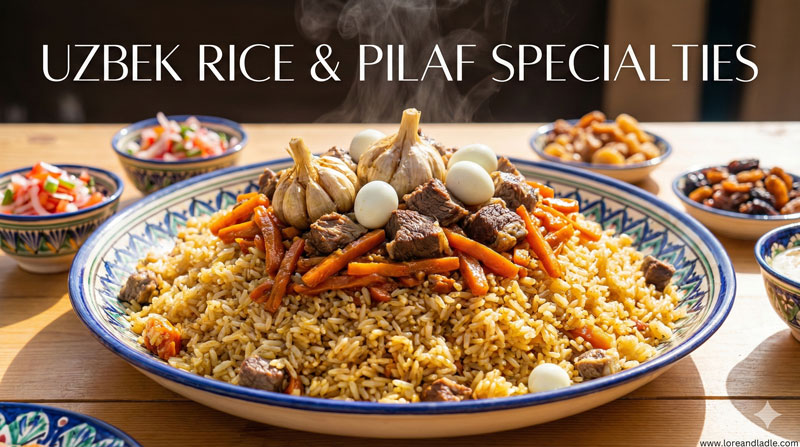
Best Recipes for Beshbarmak – Uzbekistani Rice & Pilaf Specialties Flavor You’ll Love
Welcome to a celebration of a timeless dish. Beshbarmak embodies warmth, hospitality, and shared meals. This post explores its cultural value and culinary significance in Uzbekistani cuisine. You will discover why this dish delights generations and how its flavors tell a story of family life, seasonal cooking, and regional pride.
What Beshbarmak Is and Why It Matters
Beshbarmak is a historic centerpiece on many Uzbek tables. The name hints at a social ritual—five fingers used to eat—emphasizing communal eating and closeness. In every serving, you find tenderness in the meat, comfort in the noodles, and clarity in the clear broth. The dish bridges everyday meals with festive occasions, illustrating how food can strengthen bonds and honor guests. Its simple ingredients invite a slow, respectful preparation that rewards patience and care.
The Cultural and Culinary Significance
Culturally, Beshbarmak is a symbol of hospitality. Hosts prepare this dish to welcome loved ones, celebrate milestones, and mark the changing seasons. The act of gathering around a large pot, sharing from a single platter, reinforces generosity and kinship. Culinary significance comes from the balance of textures: the soft, wide noodles support a generous layer of tender meat, while the onion-based sauce adds sweetness and depth. The broth ties everything together, creating a harmonious trio that reflects the Uzbek attention to harmony in flavor. Across households and markets, the dish is a canvas for family recipes and local pride, a testament to how few ingredients can yield profound satisfaction.
Core Ingredients and Traditional Techniques
- Meat: typically beef or lamb, simmered until melt-in-the-mouth tender.
- Noodles: wide, flat strands made from flour and eggs, cooked until al dente.
- Broth: a clear, savory stock reserved from the meat, often enriched with a touch of salt and pepper.
- Onions: sliced and cooked gently to create a sweet, aromatic sauce that’s spooned over the noodles and meat.
- Herbs and finishing touches: parsley or dill for brightness, with salt and pepper to taste.
Technique matters as much as ingredients. The meat is boiled slowly to release rich flavors into the broth. The noodles are prepared separately to maintain their structure. Onion slices are softened to release sweetness, then layered to finish the dish. The result is a clean, savory profile with subtle sweetness, highlighted by fresh herbs at the end.
Regional Variations Within Uzbek Cuisine
In Uzbekistan, you’ll find small but meaningful twists that reflect local kitchens. In some regions, chefs favor thicker noodles or slightly different cuts of meat. The onion sauce may lean toward caramelization in one city and toward a lighter, broth-forward finish in another. Some families finish the dish with a final veil of fresh herbs, while others rely on the natural aroma of the meat and onions. These variations celebrate regional farming and traditional methods while preserving the essence of Beshbarmak: generous portions, clear broth, and a focus on shared experience.
Serving Etiquette and Shared Meals
A serving platter is often placed at the center, inviting everyone to gather around. The meat rests atop the noodles, and the broth is poured alongside. Diners typically eat with their hands, using the five-finger tradition as a nod to hospitality and togetherness. A bowl of broth invites dipping and adding moisture as the meal progresses. Fresh herbs and onion garnish offer a bright finish. The act of sharing this dish reinforces mutual care and respect for guests, making the meal feel welcoming and warm.
Flavor Profile and Pairings
Beshbarmak delivers a savory, comforting flavor. The meat provides depth, the noodles deliver a satisfying chew, and the onion sauce adds a gentle sweetness and aroma. The broth ties the dish together, bringing all elements into balance. Pair it with simple accompaniments like flatbread, fresh herbs, and a light cucumber salad. A cup of green tea or traditional tea can round out the meal, highlighting the clean, hospitable spirit of the table.
Making Beshbarmak at Home: A Simple Guide
- Choose your meat and simmer it until tender in a pot with water, salt, and optional aromatics.
- Prepare wide noodles. Roll and cut them into broad strips, then boil until just tender.
- Slice onions and cook them slowly in a bit of oil to release sweetness.
- Arrange the noodles on a platter, top with meat, and spoon the onion sauce over all.
- Ladle a portion of hot broth beside the plate for dipping and moistening.
- Garnish with chopped herbs and serve promptly while everything is steaming.
This approach keeps the dish approachable for Home Cooks while preserving the dish’s distinctive character. With patience and care, you can recreate a dish that resonates with comfort and cultural pride.
Why This Dish Continues to Enrich Food Culture
Beshbarmak remains a beloved staple because it speaks to universal values: welcome, sharing, and family. It invites cooks to slow down, select fresh ingredients, and honor tradition with every pot stirred. The dish’s adaptable nature allows households to imprint their own memories on the same foundation of noodles, meat, and onion. In this way, Beshbarmak becomes more than a recipe; it becomes a living practice that enriches everyday meals and special occasions alike.
Closing Thoughts
Exploring Best Recipes for Beshbarmak reveals a dish that is at once simple and deeply meaningful. Its cultural value lies in its generosity, its technique lies in careful preparation, and its flavor lies in balance. When you cook and share Beshbarmak, you celebrate a heritage that invites curiosity, gratitude, and connection. May your table feel as inviting as the dish itself, and may every bite remind you of the beauty of Uzbekistani culinary tradition.