
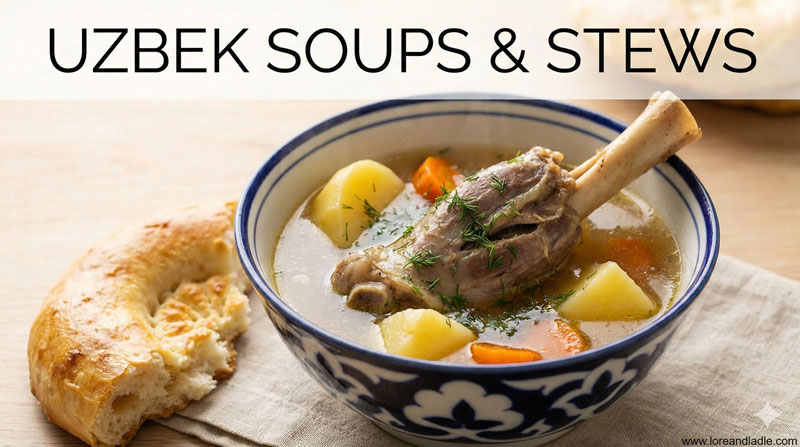
Best Recipes for Beshbarmak – Uzbekistani Soups & Stews Flavor You’ll Love
Beshbarmak is a dish that invites thought about culture, craft, and care. In Uzbek kitchens, it appears as a warm invitation to gather, share, and savor. The name, beshbarmak, translates to five fingers, a nod to eating with hands in a circle of family and friends. This dish stands at the heart of Uzbek hospitality and everyday meals alike. Its simple elements come together to tell a story of rhythm, season, and togetherness.
Core Components: Meat, Noodles, and Broth
At its core, Beshbarmak rests on three essentials. First, tender meat, usually mutton or beef, simmered until the flavors melt into the broth. Second, broad, soft noodles that soak up the meat stock. Third, a fragrant onion sauce or garnish that brightens the bowl with sweetness and depth. A clear, simmered broth ties the components together, offering warmth and nourishment. When these parts align, the result feels both rustic and refined, a testament to careful technique and shared purpose.
Traditional Techniques: From Stock to Noodles
Crafting Beshbarmak begins with building flavor through patience. A pot of bones and meat simmers gently, releasing collagen, aroma, and a rich stock. The noodles are prepared with care, cut into wide, forgiving strips that cook quickly in hot broth. Onions are sliced and often softened to release their sweetness before being spooned over the dish. Finally, meat is sliced or arranged over the noodles, and the hot broth is poured at the table. The simplicity of the steps highlights technique and timing, making every bite a reminder of home and craft.
Cultural Significance: Meals That Bring People Together
This dish shines when shared. Beshbarmak becomes a focal point for conversation, laughter, and gratitude. Hosts prepare extra portions to ensure everyone at the table leaves satisfied, a quiet expression of generosity. The act of serving—placing meat on noodles, ladling broth, and passing bowls—reinforces bonds and hospitality. The dish is adaptable to many occasions, from a weekday family meal to a celebratory gathering, always celebrating people and their relationships through food.
Regional Variations and Seasonal Flavors
Within Uzbekistan, small differences enrich the dish. Some regions favor lamb or beef, others lean toward lighter or heartier broths. The noodles can vary in width or texture, offering a different mouthfeel with each version. Fresh herbs, pepper, or a touch of garlic may appear in some preparations, reflecting local tastes and seasonal produce. These variations celebrate local craft while preserving the core experience of a comforting, shared meal.
Serving and Savoring: Etiquette and Presentation
To savor Beshbarmak fully, serve it hot on a generous platter or in individual bowls. Start with a base of noodles, add slices of meat on top, and ladle hot broth over the dish. A side of bread or flatbread is often present to help guests gather every last bit of flavor. The experience centers on warmth, aroma, and the communal pleasure of tasting together, making every serving a small celebration of culture.
Conclusion: A Dish of Warmth and Craft
Best Recipes for Beshbarmak – Uzbekistani Soups & Stews Flavor You’ll Love invites readers to explore a timeless comfort. It speaks in clear, inviting flavors and in the quiet rituals of gathering and sharing. The dish honors craftsmanship in stock, noodles, and onion notes, while honoring hospitality at the table. In every bite, you taste not only nourishment but the enduring beauty of Uzbek food culture.