
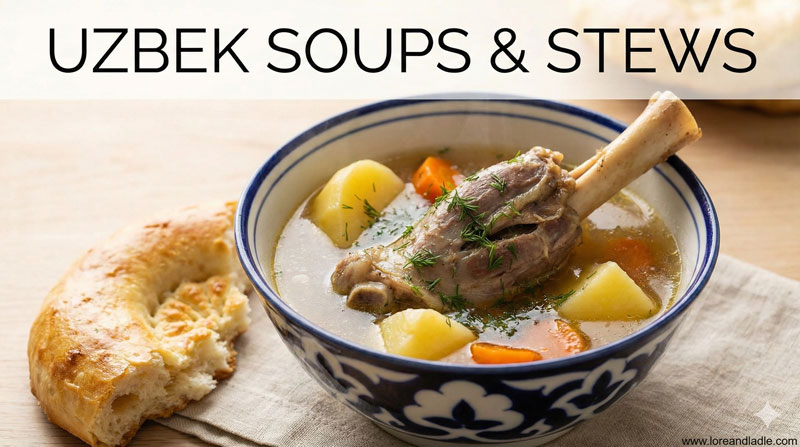
Popular Beshbarmak – Uzbekistani Soups & Stews Flavor You’ll Love
In Uzbek kitchens, beshbarmak shines as a bright expression of home cooking and shared meals. This dish blends patience, seasonal ingredients, and a respect for simple, skillful techniques. When you savor it, you taste a region’s warmth, daily rituals, and the joy of gathering around a table.
What is Beshbarmak?
Beshbarmak is a savory centerpiece built from three elements: tender meat, soft hand-cut noodles, and a clear, flavorful broth. The name, rooted in Turkic languages, evokes the idea of eating with five fingers. In Uzbek cuisine, the dish brings together generous portions and a comforting balance of texture and aroma. It is a celebration of careful simmering, precise slicing, and a generous pour of broth over the noodles and meat.
Core ingredients and technique
The dish typically uses lamb or beef, sometimes incorporating horse meat in certain traditions. The meat is simmered slowly until it becomes soft and juicy. Wide, delicate noodles are prepared from flour, eggs, and water, then cut into flat ribbons. Onions play a starring role, often caramelized to bring sweetness and depth. The broth is clear, lightly seasoned, and generous enough to moisten the noodles without overwhelming their texture. This combination highlights the beauty of simple ingredients treated with patience and respect.
A dish built for sharing
Beshbarmak is more than a recipe; it is a social act. Families gather, conversations flow, and the meal becomes a shared experience. The act of lifting noodles and meat with fingers, then savoring each bite together, reinforces bonds and everyday hospitality. In this way, the dish carries a quiet cultural rhythm that celebrates generosity and togetherness.
Noodles, meat, and broth: a harmony
Texture contrasts make this dish memorable. The noodles offer a soft, silky bite, while the meat delivers rich, meaty depth. The broth brings warmth and a gentle savor that ties the plate together. Each mouthful blends the mild sweetness of onions with the savor of meat and the comforting clarity of broth. The result is a balanced, satisfying experience that lingers in the memory.
Serving customs and table presence
Beshbarmak is typically served on a wide flat dish. The noodles form a base, topped with slices of meat. A generous onion sauce or crisp fried onions may be layered over the top. A side dish of hot broth is offered for dipping or pouring, letting each diner adjust moisture and flavor. Fresh herbs like parsley or dill may brighten the plate, and rustic bread or flatbread accompanies the meal, inviting you to pace the eating and savor every moment.
Regional variations within Uzbek cuisine
Across Uzbek kitchens, the core idea remains the same, but tiny differences appear. Some cooks use thicker or thinner noodles, depending on family tradition. The cut and shape of the meat can vary, and onion preparation may range from lightly sautéed to richly caramelized. These nuances reflect local tastes and seasonal ingredients, while the heart of the dish—the harmony of noodles, meat, and broth—stays constant.
Home cooking tips
- Choose a cut of meat with good flavor and some connective tissue for depth.
- Simmer slowly to coax tenderness without tightening the broth.
- Roll and cut noodles evenly for a uniform bite.
- Caramelize onions enough to add sweetness without overpowering the dish.
- Keep the broth clear and hot, so it invites gentle spoonfuls or dipping.
- Serve with a light garnish of fresh herbs and a side of bread for balance.
The timeless appeal of Beshbarmak
Popular Beshbarmak endures because it is approachable yet deeply satisfying. It honors the craft of traditional cooking while inviting home cooks to create something memorable. With every bowl, you taste care, culture, and the welcoming spirit of Uzbekistani cuisine. If you seek a dish that feels both humble and celebratory, beshbarmak offers a generous, flavorful doorway into Central Asian comfort food.