
Introduction
Best Banana Cue Recipes to try this year in the U.S. for sharing Filipino flavors invites readers to explore a gentle, comforting treat. This dish comes from a place of everyday joy. It sits on sticks, it glistens with caramel, and it carries a soft sweetness that pleases many palates. You will find banana cue in markets, at street corners, and during family gatherings. It is a simple snack that travels well through seasons and occasions. The goal here is to celebrate the beauty of the dish, understand its texture and flavor, and imagine many friendly ways to enjoy it. We will keep the discussion warm, neutral, and focused on culture, tradition, and shared moments. Best Banana Cue Recipes to try this year in the U.S. for sharing Filipino flavors is a guide to taste and to togetherness, not a lesson in formality or ceremony. It is an invitation to savor.
What banana cue is and why it matters
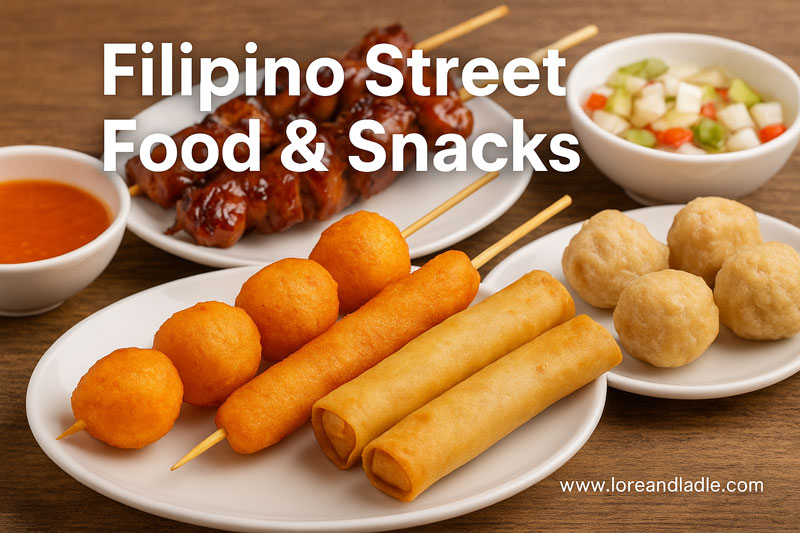
A banana cue is a small, handheld treat. A ripe banana—often a firm, cooking variety—is skewered on a stick. It is then coated with sweet caramel and fried until the outside is crisp and the inside stays soft. The sugar forms a delicate crust that crackles with each bite. The aroma blends warm banana, caramel, and a hint of toasty sugar. The dish is approachable, easy to share, and versatile enough to fit many occasions. It demonstrates a simple technique that can be adapted with different flavors while preserving its core character. Best Banana Cue Recipes to try this year in the U.S. for sharing Filipino flavors celebrates that balance between sweetness and comfort, between bite and bite, between a snack and a moment of calm.
Classic ingredients and key characteristics
- Saba bananas or a firm cooking banana: The best bananas for cue are sturdy and sweet enough to hold their shape when fried. Saba is a common choice in Filipino kitchens for this dish.
- Wooden skewers: They make the treat easy to hold and share.
- Brown sugar or a combination of brown sugar and white sugar: This creates the caramel coating that becomes the defining ring around the fruit.
- A light oil for frying: The goal is a quick, shallow fry that yields a crisp exterior without overwhelming the banana with oil.
- A pinch of salt or a touch of sea salt: Salt brightens the sweetness and adds depth.
- Optional flavorings: A whisper of vanilla, a pinch of cinnamon, or a sprinkle of toasted sesame seeds can elevate the profile without hiding the core flavor.
Key characteristics of Best Banana Cue Recipes to try this year in the U.S. for sharing Filipino flavors include a contrast of textures (crisp shell with soft interior), a sweet, caramel aroma, and a portable, family-friendly form. The appearance is inviting: a glossy sugar crust catching the light on a wooden stick, ready to be tasted with a quick bite. The dish is approachable for beginners and flexible for cooks who want to experiment with small variations while keeping the essence intact.
Texture and flavor profile
- Texture: First comes a crisp crackle from the caramelized sugar, then a soft, tender banana inside. The stick makes it convenient to handle, and the bite is satisfying in a way that feels comforting rather than heavy.
- Flavor: The sweetness is front and center, framed by the gentle banana note. If a touch of salt is added, the sweetness becomes more focused and well-rounded. When optional spices like cinnamon or vanilla are included, they add warmth without overpowering the fruit.
- Aroma: You will notice warm sugars caramelizing, a hint of banana, and a toasty scent from fried batter edges. This fragrance invites a warm, homey mood and signals a treat that is ready to enjoy.
Variations that honor Filipino flavors
- Classic with a twist: The banana cue remains the central star, but the coating uses a blend of brown sugar and a light pinch of salt to sharpen the sweetness.
- Coconut kiss: Rolled in shredded coconut after frying, offering a gentle tropical note that complements the banana.
- Sesame glaze: A light sprinkle of toasted sesame seeds adds a toasty bite and a subtle nutty aroma.
- Muscovado warmth: A deeper, darker sugar variant provides a richer, molasses-like finish with a glossy sheen.
- Vanilla-cinnamon hug: A touch of vanilla and a hint of cinnamon bring warmth and complexity.
- Chili-adventurous: A light, friendly kiss of chili powder or chili flakes can add gentle heat for those who enjoy a bit of spice.
- Pandan aroma: A few drops of pandan essence can impart a soft green aroma reminiscent of Southeast Asian kitchens.
These variations keep the heart of banana cue intact while inviting new flavors to complement the familiar sweetness.
Occasions to enjoy banana cue
- Everyday snack: A quick sweet bite between tasks, a simple pick-me-up during a busy afternoon.
- Family gatherings: A shareable treat that travels well and invites everyone to taste together.
- Street fairs and markets: A small, portable delicacy that attracts smiles and conversations.
- School events and bake sales: A crowd-pleasing option that is easy to serve and to eat in hand.
- Weekend picnics: A portable dessert or snack that enhances a casual outdoor meal.
- Celebrations and casual parties: A friendly, informal option that fits a dessert table or a snack corner.
Best Banana Cue Recipes to try this year in the U.S. for sharing Filipino flavors fits naturally into these moments because it is easy to prepare in small batches and easy to share in a group.
How people enjoy banana cue around the world and at home
People often enjoy banana cue straight off the stick, while it is still warm and glossy. Some like to nibble the coated crust first, savoring the caramel crunch, then move to the soft interior. Others prefer to dip the cue into a small cup of coffee or milk tea, letting the warmth mingle with the drink. In homes, families may assemble banana cue together as a small project—lining up sticks, coating bananas, and taking turns frying—creating a warm, collaborative moment. Best Banana Cue Recipes to try this year in the U.S. for sharing Filipino flavors celebrates these simple rituals of cooking and sharing that bring people closer.
Ingredient sourcing and substitutions in the United States
Finding saba bananas in the United States can be a challenge, as they are not as common as other bananas. For many cooks, a firm cooking banana or a ripe plantain serves as a reliable substitute. The key is to choose a banana that will hold its shape when fried and still offer a soft interior. If plantains are used, choosing ones that are yellow with some dark spots can provide sweetness and a sturdy texture. When saba is available through specialty markets or online, it elevates the dish with its familiar texture and flavor. Best Banana Cue Recipes to try this year in the U.S. for sharing Filipino flavors remains flexible, encouraging cooks to adapt to what is accessible while preserving essential technique and character.
High-level recipe ideas (conceptual, not detailed)
The following ideas offer a sense of how you can craft different versions without diving into step-by-step instructions. They emphasize techniques and flavor balance rather than precise measurements.
- Classic caramel banana cue: Core idea remains the crisp sugar crust and soft interior, with a balanced brown sugar coating.
- Coconut-coated cue: After frying, roll or press the cue into light coconut shavings for a tropical note that enhances sweetness.
- Sesame mantel cue: A gentle sprinkle of toasted sesame seeds adds texture and a subtle nutty aroma.
- Muscovado deep flavor cue: Use muscovado sugar for a richer caramel result with a rounded finish.
- Vanilla-cinnamon cue: A hint of vanilla and cinnamon provides warmth and a comforting aroma.
- Pandan-fueled cue: Pandan adds a fresh, fragrant note that pairs nicely with the banana’s sweetness.
- Spiced orange zest cue: A tiny amount of orange zest can lift the flavor with a bright citrus edge.
- Salt-kissed cue: A touch of sea salt highlights sweetness and gives a modern twist.
- Grilled banana cue variant: A lighter method that emphasizes a caramelized glaze, offering a different texture while keeping the core concept intact.
Each concept preserves the essence of banana cue while inviting new textures and aromas for this year’s menu in U.S. kitchens.
Serving ideas and presentation
- On a simple plate with a dusting of sugar and a small fork, the cue presents as a neat, portable dessert.
- On a snack board: Include a few banana cues alongside fresh fruit, nuts, and a small dish of dipping sauce like chocolate or caramel.
- With beverages: Pair them with coffee, black tea, or a creamy milk tea for a warm, comforting pairing.
- For gatherings: Arrange several sticks in a row on a platter, allowing guests to choose their preferred variation.
- In dessert plates: Slice or break the cue into bite-sized pieces and arrange with a drizzle of syrup or a sprinkle of sesame seeds for added texture.
Best Banana Cue Recipes to try this year in the U.S. for sharing Filipino flavors can be presented in a way that is approachable and festive, inviting friends and family to explore the dish together.
Sourcing tips for a confident kitchen plan
- If saba is available, use it for its characteristic texture and sweetness.
- If saba is not available, choose firm plantains or cooking bananas that hold shape after frying.
- Use fresh, high-quality sugar; the flavor of the coating matters as much as the technique.
- Keep a small tray ready for coated sticks to prepare in batches for a crowd.
The cultural value and everyday joy of banana cue
Banana cue embodies a sense of home and shared moments. It speaks to the delight of cooking together, to the care families show for simple, tasty foods, and to the joy of bringing a traditional flavor into everyday life. It is a gentle reminder that comfort can be found in a small, well-made snack. Best Banana Cue Recipes to try this year in the U.S. for sharing Filipino flavors brings these ideas to life, highlighting how a single dish can connect generations and spark conversations about preferred flavors, textures, and presentations.
How to think about the dish when you plan a menu
- Embrace simplicity: The dish shines with a clean, well-executed version that respects the banana and the sugar coating.
- Honor texture: Aim for a crisp shell and a soft center. The contrast is what makes the dish memorable.
- Offer options: Provide variations so guests can choose their preferred flavor enhancement.
- Keep it accessible: The best versions are easy to prepare in small homes or larger gatherings alike.
- Celebrate sharing: The sticks make it easy to pass around and enjoy together.
A quick glossary of terms for beginners
- Saba banana: A traditional choice for this dish; a starchy, sweet cooking banana.
- Plantain: A common substitute with a firmer texture when ripe.
- Caramelized sugar: Sugar that has melted and thickened into a glossy coating around the fruit.
- Crispy crust: The outer layer that cracks slightly when bitten and gives a satisfying crunch.
- Interior softness: The warm, tender banana inside the crust.
A note about pacing and mood
This piece respects the rhythm of everyday cooking. It favors calm preparation, careful tasting, and generous sharing. Best Banana Cue Recipes to try this year in the U.S. for sharing Filipino flavors invites you to imagine a quiet afternoon with a plate of sticks and a cup of tea. It also welcomes a lively gathering where people sample variations and discuss which flavors they like best. The goal is balance, warmth, and clarity—an invitation to enjoy and to learn, together.
Seasonal considerations and adaptation
In warm weather, banana cue can be a refreshing treat after a family meal or a casual BBQ. In cooler months, it can become a comforting dessert option for weekend gatherings and small celebrations. The basic technique remains the same, while the flavors can shift with the seasons and the available ingredients. Best Banana Cue Recipes to try this year in the U.S. for sharing Filipino flavors encourages cooks to adapt thoughtfully, keeping the essence intact while allowing personal touches.
Final reflections
Ultimately, Best Banana Cue Recipes to try this year in the U.S. for sharing Filipino flavors is about taste, texture, and togetherness. It offers a doorway to simple, satisfying enjoyment and to the practice of sharing something sweet with friends and family. The dish is inviting by nature: easy to make, pleasing to the eye, and satisfying in each bite. It carries a gentle memory of cheerful gatherings and the delight of a well-made snack. As you explore the variations and ideas presented here, you may find your own favorite version and your own playful twists to add. The core remains the same: a banana cue on a stick, coated with a caramel kiss, ready to be shared.
Conclusion
As you plan your kitchen experiments this year, consider the spirit of Best Banana Cue Recipes to try this year in the U.S. for sharing Filipino flavors. Let this dish be a friendly anchor for your culinary conversations, a simple way to savor Filipino flavors, and a versatile treat that travels well from home to gatherings. Whether you stick to the classic, or you explore the coconut, sesame, or muscovado-influenced variations, you’ll find that banana cue offers balance, warmth, and a sense of community in every bite. May these ideas accompany your meals, celebrations, and everyday moments with calm, clarity, and shared joy. Best Banana Cue Recipes to try this year in the U.S. for sharing Filipino flavors invites readers to taste, to imagine, and to smile together.