
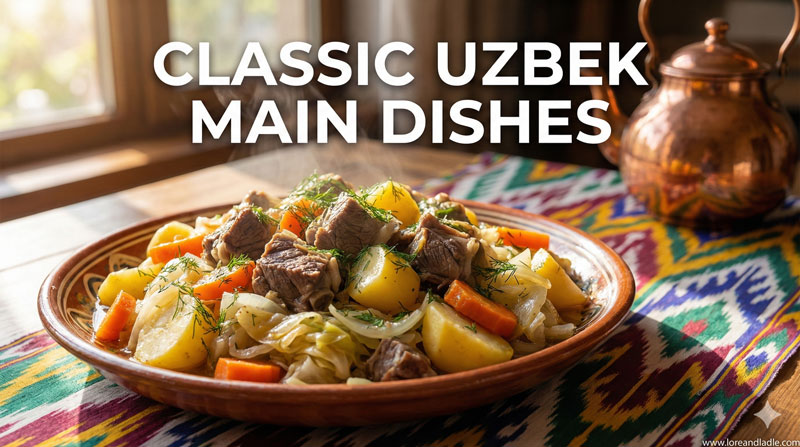
Best Recipes for Beshbarmak – Classic Uzbekistani Main Dishes Flavor You’ll Love
Welcome to a celebration of a dish that embodies warmth, shared tables, and a long tradition of careful cooking. Beshbarmak, in its Uzbekistani expression, stands as a crown jewel of home cooks and hospitable hosts. This post explores its cultural value and culinary significance, inviting you to savor the flavors and the story behind each bite.
The Heart of Uzbek Hospitality
Beshbarmak centers social gatherings. Families come together, and the kitchen becomes a warm hub where stories flow as freely as the steam from the pot. The large platter invites everyone to gather close, to share in a moment of nourishment and connection. The dish is more than food; it is a ritual that marks welcome, celebration, and daily life lived with care.
What Makes Beshbarmak Special: Ingredients and Craft
The core of the dish is straightforward yet generous. Tender boiled meat—often lamb or beef—rests atop wide, hand-cut noodles. A blanket of caramelized onions adds sweetness and depth, while a light broth on the side sustains the richness. Simple spices and salt bring out the natural flavors, allowing the meat, noodles, and onions to sing together. The beauty lies in how these few elements are prepared with patience and respect.
The Cooking Rhythm: Techniques That Honor Tradition
Begin with a gentle boil to extract clean, comforting flavors from the meat. Simmer slowly to keep the meat juicy and tender. Roll or cut broad noodles so they soak up the broth without losing their character. Prepare onions by sautéing them until they release sweetness, then blend them into the dish as a fragrant crown. Finally, ladle a hot, clear broth alongside the main platter so guests can savor the balance of textures and temperatures.
A Dish Woven Into Everyday and Celebration
In Uzbek kitchens, beshbarmak travels gracefully between everyday meals and special occasions. On a weekday, it may appear as a generous family dinner that brings everyone to the table. For weddings, harvests, or community gatherings, the dish becomes a centerpiece that signals abundance and shared joy. This versatility underscores its enduring place in the cuisine.
Regional Nuances in Uzbekistan
Across Uzbekistan, cooks adapt the dish to available ingredients and personal style. The meat choice shifts with emphasis on tenderness, and noodle thickness may vary from recipe to recipe. Some cooks finish with a final drizzle of savory broth, while others emphasize a richer onion sauce as the guiding flavor. Regardless of small differences, the essence remains: a comforting, communal meal built on careful technique and heartful preparation.
How to Enjoy Beshbarmak: Serving and Etiquette
Plate the noodles first, then crown them with warm meat slices. Spoon onions over the top and pour a touch of broth on the side. Eat with your hands to honor tradition, passing portions around the table, and sharing in the aroma of the dish. Keep the table lively with conversation, as hospitality shines most brightly when people feel seen and fed with care.
Quick Notes on Pairings and Presentation
- Pair with light tea or a simple bread accompaniment to cleanse the palate between bites.
- Fresh herbs or a sprinkle of black pepper can lift the dish without masking its natural flavors.
- Present the platter on a wide tray or large dish so the communal experience remains visually inviting.
Final Thoughts
Beshbarmak exemplifies how food holds culture together. Its combination of hearty meat, inviting noodles, and warm onion notes creates a sensorial welcome that transcends the moment. By exploring its best recipes, you glimpse a culinary heritage that values generosity, family, and the quiet beauty of a dish prepared with care. May this guide inspire you to cook with intention and to share a plate that celebrates Uzbekistani flavor and the timeless joy of gathering at the table.