
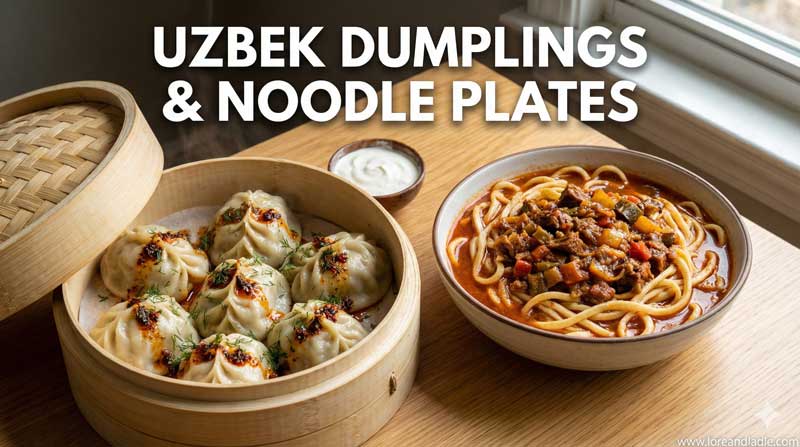
Best Recipes for Beshbarmak – Uzbekistani Dumplings & Noodle Plates Flavor You’ll Love
Beshbarmak stands as a beloved emblem of Uzbek cuisine. This dish blends tender meat, delicate noodles, and a comforting broth into a single, sharing moment. In this post, we explore its cultural value and culinary significance, inviting you to taste a tradition that gathers families and friends around one table.
A Window into Uzbek Dining Traditions
In Uzbekistan, meals are social events built on hospitality. Beshbarmak is often the centerpiece at gatherings and celebrations. The dish gets its name from a simple idea: people eat with five fingers. This meaning reminds us that eating together is an act of warmth and connection. The presentation is generous, inviting everyone to share and savor. Through this ritual, the food becomes a bridge between generations and memories.
The Art of Noodles: Handcrafted for Flavor
The noodles are the heart of Beshbarmak. Chefs roll dough until it’s just supple, then cut it into wide ribbons that soak up the meat’s aroma. Some families make the noodles fresh for every meal; others prepare them in larger batches for specials. The noodles are cooked until tender, yet they retain a slight bite. When plated, they form a soft, comforting bed for the meat and broth. This craftsmanship links home kitchens with regional kitchens across Central Asia, each adding a subtle local touch.
The Soul of the Meal: Meat, Broth, and Onions
Beshbarmak centers on generous portions of boiled meat, usually lamb or beef, sliced to reveal tender texture. A clear, savory broth crowns the dish, enriching every bite. Thinly sliced meat rests atop the noodles, then warm onion sauce pours like a gentle flame over the plate. The combination—meat, noodles, and bright onion—produces a balance of savor and sweetness. Diners savor the broth as a final, fragrant note that ties the components together.
Serving Rituals and Shared Tables
A large, round platter invites all to commune. The dish’s arrangement highlights generosity and welcome. Diners often use the hands to scoop up portions, reinforcing the sense of shared abundance. Accompaniments, such as fresh herbs or a light olive oil drizzle, offer color and brightness. The act of serving and eating becomes a daily ceremony, reinforcing bonds among family and neighbors.
Regional Expressions Within Uzbek Cuisine
Uzbek cooks bring personal touches to Beshbarmak. Some regions favor different cuts of meat or variations in the noodle texture. Spices are used subtly, allowing the meat’s natural sweetness to shine. Onion preparations vary as well, from crisp sautéed rings to a lighter glaze that sits at the edge of the broth. These nuances celebrate local farms, harvests, and kitchens while keeping the core harmony of meat, noodles, and broth intact.
Why This Dish Endures: Cultural Significance
Beshbarmak embodies hospitality, memory, and seasonal celebration. It teaches patience, as dough is rolled and meat is simmered to perfection. The dish also serves as a culinary archive, preserving techniques passed down through generations. Each family adds its own voice, ensuring the recipe remains lively and relevant. In this way, Beshbarmak is not just food; it is a living tradition that welcomes newcomers to share in its warmth.
Tips from the Kitchen: Best Recipes for Beshbarmak
- Prioritize freshness: fresh noodles and freshly cooked meat elevate the dish’s aroma and texture.
- Maintain balance: keep the broth clear and lightly seasoned to let the meat and onions shine.
- Practice the craft: rolling the dough and slicing the meat evenly helps the dish come together smoothly.
- Respect the rhythm: begin with dough, then meat, then onions, so each component rests and develops its flavor.
A Final Note: Food as Culture
Best Recipes for Beshbarmak celebrates a dish that brings people together. The dish’s beauty lies in its simple ingredients thoughtfully prepared and shared with care. By exploring this meal, you glimpse the warmth of Uzbek dining culture and the art of turning everyday food into a memorable experience. With every bite, you participate in a heritage that honors family, hospitality, and the joy of good company.