
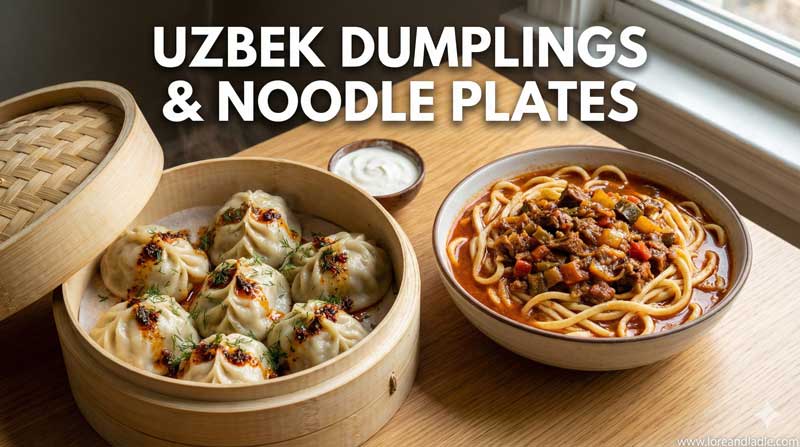
Introduction to Chuchvara: Uzbekistani Dumplings and Noodle Flavors You’ll Love
Chuchvara is a shining example of Uzbek culinary artistry. This dish blends simple ingredients with skillful technique to create a comforting, layered flavor. In Uzbek homes, chuchvara appears on plates during family meals, gatherings, and celebrations. It invites people to slow down, share a story, and savor texture and warmth. Here, you’ll discover how the dough, the filling, and the careful cooking all come together to make chuchvara more than food—an expression of culture and craft.
The Soul of Chuchvara: Dough, Filling, and Form
The heart of chuchvara lies in two careful crafts: the dough and the filling. The dough should be soft yet elastic. It comes from flour, water, and a touch of salt, sometimes with a beaten egg for richness. Knead until smooth, then rest. Resting helps the dough hold its shape and gives it a delicate bite after cooking.
The filling sings with balance. Ground meat—usually lamb or beef—meets finely chopped onion, salt, pepper, and a whisper of cumin or coriander. Some cooks add a splash of herbs or a pinch of garlic, but the essence remains honest and bright. The filling should be moist enough to be flavorful, but not so wet that it leaks from the dumpling.
Shaping is where tradition meets technique. A small round of dough holds a spoonful of filling. The edges are pinched or pleated to seal, then the dumpling takes a crescent or round form. Uniformity helps the dumplings cook evenly and creates a pleasing sight on the plate. This careful shaping is an art passed from grandmother to grandchild and cherished in kitchens across Uzbekistan.
Cooking Methods: Steam, Boil, and Gentle Fry
Chuchvara shines in several honest cooking methods, each offering a distinct texture. Steaming is classic. The dumplings glide through a light steam until they’re tender inside and slightly glossy on the outside. Boiling yields soft, tender pockets that soak up the broth or sauce around them. A gentle fry, done in a shallow pan, adds a delicate crisp at the edges while preserving a juicy center.
In many homes, chuchvara is served in a clear broth that nourishes the dumplings without overpowering them. The broth carries a quiet sweetness and a gentle savor that invites you to spoon it between bites. Some cooks finish the dish with a dollop of yogurt or a drizzle of tangy sour cream, along with fresh herbs. The result is a comforting harmony of warmth and balance.
Serving Traditions and Flavor Pairings
Chuchvara pairs well with a bright, clean setting of flavors. Fresh dill and green cilantro add a green lift, while chopped chives or scallions contribute a light bite. A squeeze of lemon or a dash of tang can brighten the dish and sharpen the meat’s savor. For sauces, yogurt-based toppings offer a cooling contrast to the warmth of the dumplings. A simple peppery or tomato-based sauce can also complement the meat filling.
In some kitchens, chuchvara joins delicate noodles on the plate, providing a soft starch partner that echoes the dumplings’ tenderness. This pairing highlights a savory, comforting meal rather than a spicy or heavy one. The combination is a reminder of home, hospitality, and the joy of a shared table.
Regional Variations: Little Differences, Larger Shared Heritage
Across Uzbekistan, small regional twists bring color to chuchvara. In one region, the dough might be a touch thicker for extra bite; in another, the filling might lean a touch more toward onion sweetness. Some cooks fold the dumplings with extra pleats for a decorative touch. The size can vary as well—from tiny, bite-sized dumplings to larger portions meant to be shared.
These variations celebrate local ingredients and family preferences while keeping the core idea intact: dough enveloping a flavorful meat filling, prepared with care, and served in a comforting way. The result is a dish with consistent identity and many regional accents, all rooted in shared technique and taste.
Chuchvara and Family Life: A Social Dish
Chuchvara is often a family affair. The act of gathering to make dumplings becomes a time for storytelling, teaching, and bonding. Younger cooks learn by watching; older cooks share tips about dough texture, how long to rest the dough, and How to judge the perfect seal. The process can stretch into a pleasant afternoon, punctuated by conversation and laughter.
On holidays and special occasions, chuchvara holds a place of honor. It signals welcome and generosity, inviting guests to sit, eat, and enjoy the moment together. In these settings, the dish becomes more than sustenance; it is a ritual of connection and care.
Tips for Home Cooks: Mastering the Craft
- Rest the dough: A 20–30 minute rest makes the dough easier to roll and more resilient during sealing.
- Keep filling steady: Mix meat and onions ahead of time and chill briefly. This helps keep the filling cohesive as you work.
- Shape with care: Aim for uniform dumplings. Even small differences cook at different rates, which can affect texture.
- Cook in bubbling, not boiling, water: Gentle heat prevents the dumplings from breaking.
- Store and reheat wisely: Freeze dumplings on a tray first, then transfer to a bag. Reheat gently in broth or steam to preserve texture.
Why Chuchvara Matters: Cultural Value and Culinary Significance
Chuchvara embodies hospitality, patience, and shared skill. It is a dish that teaches the value of careful technique passed down through generations. Its flavors tell a story of pasture and kitchen alike: meat that is refined by spice, onions that sweeten with time, and dough that becomes tender with attention. The dish invites us to slow down and savor craft, texture, and the comfort of a well-made meal.
Beyond taste, chuchvara offers a durable, universal appeal. Its simple ingredients come together in a sophisticated harmony that resonates with many cultures. It is a gateway to Uzbek culinary identity, inviting both locals and visitors to appreciate a tradition that respects family, season, and craft.
Closing Thoughts: A Timeless Flavor and a Welcoming Table
Chuchvara stands as a testament to the beauty of Uzbek food culture. The dish blends technique, history, and heart in every bite. Whether you enjoy it steamed in a clear broth or with a light noodle accompaniment, the flavor remains inviting and comforting. This dumpling, with its crisp edges, tender center, and aromatic filling, offers a warm invitation to gather, share, and celebrate good food together. Through chuchvara, we glimpse a culture that treasures detail, hospitality, and the quiet joy of a well-made plate.