
Introduction
Best Recipes for Chuchvara – Uzbekistani Soups & Stews Flavor You’ll Love invites readers to taste a comforting corner of Central Asian hospitality. Chuchvara are tender dumplings that carry a warm story of family meals, seasonal ingredients, and careful handwork. This dish is more than food; it is a ritual of gathering, sharing, and honoring time-honored techniques. In this post, we explore the cultural value and culinary significance that make chuchvara a beloved staple in Uzbek cuisine. You will discover how the dough, the filling, and the broth come together to reflect a living, breathing food culture.
What Is Chuchvara?
Chuchvara are small dumplings shaped by hand and filled with seasoned meat. The dough is smooth and pliable, easy to roll into delicate rounds. Each dumpling holds a core of onion, herbs, and meat, sealed with a crisp pinch that shows the maker’s care. When cooked in a flavorful broth, chuchvara release a comforting aroma that invites conversation and memory. In Uzbek households, these dumplings symbolize technique passed down through generations and celebrated in the kitchen with patience and joy.
Core Flavors and Techniques
The magic of chuchvara lies in contrasts: tender dough against savory filling, and a clear broth that carries the flavors without overpowering them. Chefs prepare a balanced filling with meat, onions, and herbs. They roll and seal each dumpling with neat folds, then gently cook them to keep the pockets juicy. The broth often features quiet depth from meat bones and a whisper of aromatics. The result is a dish that tastes both simple and refined, suitable for everyday meals and festive gatherings alike.
Traditional Preparation and Variations
Traditional chuchvara begin with a soft dough that rests before shaping. Skilled hands roll thin circles, drop a small spoonful of seasoned meat, then seal the dumplings with careful pleats. You’ll find variations in filling, from lamb and beef blends to onions, pepper, and fresh herbs. Some Home Cooks steam dumplings first, then finish them in a light broth to concentrate flavors. Other cooks boil the dumplings directly in a clear soup, letting the broth wick in the aroma of meat and herbs. Regardless of method, the heart remains consistent: simple ingredients treated with attention yield comforting results.
Regional Tastes Across Uzbekistan
Across Uzbekistan, chuchvara reflect regional accents and seasonal produce. In one region, cooks favor a meat-forward filling with bright dill and coriander. In another, a touch of pepper and garlic brightens the mix. The dough thickness can vary slightly, with some kitchens preferring a thinner skin for a faster cook, while others value a heartier dumpling that holds shape in a longer simmer. These variations showcase a shared devotion to a common technique, while allowing families to express local harvests and favorite herbs.
Serving Traditions and Pairings
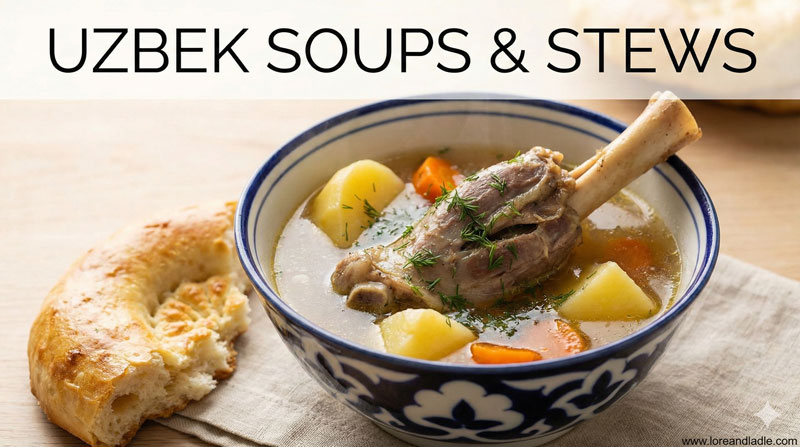
Chuchvara shine when presented in a clear, warming broth. A simple bowl, steam rising, feels welcoming and celebratory. Fresh herbs, chopped onions, and a squeeze of lemon lift the dish without masking the gentle richness. Some serve chuchvara with a dollop of sour cream or yogurt for extra creaminess, while others drizzle a light tomato-based sauce for a bright note. Accompaniments like flatbread or rice grains create a complete, satisfying meal that honors the time spent crafting each dumpling.
The Cultural Significance of Chuchvara
Chuchvara embodies hospitality and shared labor. The act of folding each dumpling becomes a quiet ceremony, often performed together by family members or close friends. The dish celebrates balance: careful preparation meets patient simmering, then generous serving. Chuchvara also honors seasonal ingredients, drawing on the freshest meat, onions, herbs, and broth spices available. When families gather around a pot of chuchvara, they share more than food—they share stories, smiles, and a sense of belonging that threads through generations.
Mastering the Craft: Tips for Perfect Dumplings
- Keep the dough soft but firm enough to roll. A light touch prevents tearing.
- Use a small filling with just enough moisture to seal neatly.
- Seal dumplings with even pleats to ensure consistent cooking.
- Rest the dough briefly if it becomes too elastic; this makes shaping easier.
- Simmer gently in broth to keep the filling juicy and the skins tender.
These small steps honor the dish’s craftsmanship and help reproduce the familiar, comforting texture that chuchvara lovers seek.
A Quick Recipe Spotlight
If you’d like a concise path to try at Home, begin with a simple lamb filling: ground lamb, finely chopped onion, fresh dill, cilantro, salt, and pepper. Roll dough into thin rounds, place a teaspoon of filling, and seal with a pinch. Simmer in a light broth until dumplings float, then finish with a handful of chopped herbs. Serve hot with a dollop of yogurt or a drizzle of olive oil and share the moment with friends or family. This quick spotlight shows how a few reliable steps can illuminate the broader culinary culture behind chuchvara.
Conclusion
Best Recipes for Chuchvara – Uzbekistani Soups & Stews Flavor You’ll Love invites you to savor more than taste. It invites you to honor the craft, the dialogue between dough and broth, and the warmth that comes from cooking together. Chuchvara stands as a gentle ambassador of Uzbek hospitality, reminding us that food can be a bridge to comfort, memory, and mutual respect. Whether you are new to this dish or revisiting it, you can feel the beauty of its cultural value in every bite and every shared moment.