
Introduction: Best Classic Taiwanese Main Dishes Dishes That Bring Taiwan’s Flavors to Your Kitchen
Welcome to a celebration of Taiwan’s core flavors, carried into homes through beloved main dishes. The title Best Classic Taiwanese Main Dishes Dishes That Bring Taiwan’s Flavors to Your Kitchen invites us to explore how simple ingredients and patient technique translate into a dining experience. This post highlights the cultural value and culinary significance of these dishes. It is a respectful, inviting look at how Taiwanese cooks connect land and sea, market days and family meals, tradition and innovation.
The Heartbeat of Taiwanese Cuisine: Techniques, Harmony, and Purpose
Taiwanese cooking thrives on balance. Aromatics, simmering heat, and careful timing create depth without overpowering the natural flavors of ingredients. Techniques such as braising, slow simmer, and the artful layering of sauces give each dish a recognizable silhouette. Herbs and seasonings are used with restraint, letting soy, rice wine, and fresh vegetables tell the story. The result is a cuisine that feels rooted in daily life yet capable of elevating a simple kitchen into a place of comfort and pride. This approach makes the dishes we celebrate here not just recipes, but cultural practices—shared rituals around the stove and around the table.
Dish Spotlight: Beef Noodle Soup — A Pot of Shared Memory
Beef Noodle Soup is more than a meal; it is a symbol of warmth and welcome. The broth carries depth from long braising, with spices that perfume the air as you ladle the soup. Noodles hold their own against generous chunks of braised beef, and fresh greens add color and brightness. The dish travels through households with ease, from bustling kitchens to quiet evenings, often serving as the centerpiece for gatherings. Its appeal lies in how each bowl reflects care: the simmered meat, the savory broth, and the tender noodles come together to invite conversation and comfort. Nutrients, aroma, and texture combine to create a dish that tastes like home and speaks to the value of sharing food with family and friends.
Dish Spotlight: Lu Rou Fan (Braised Pork Rice) — Slowly Painted, Everyday Luxury
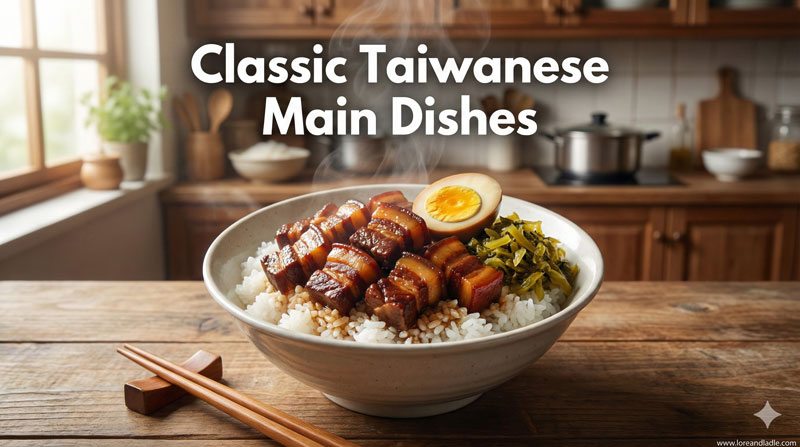
Lu Rou Fan marries patience with everyday nourishment. Pork belly is simmered in a glossy, fragrant glaze of soy sauce, sugar, spices, and aromatics until it becomes tender and richly flavored. The sauce clings to a bed of steamed rice, turning a simple meal into something memorable. Cooks honor the tradition by choosing pork with the right balance of lean and fat and by watching the reduction to achieve a lacquered finish. This dish illustrates how a pantry of common ingredients can yield a dish that feels ceremonial in its care. It also shows the social value of Home Cooking: families gather around the table to share the aroma, the conversation, and the satisfaction of a dish made with time and attention.
Dish Spotlight: Three Cup Chicken — Fragrance, Fire, and Family Moments
Three Cup Chicken is named for its three key liquids: a cup each of sesame oil, soy sauce, and rice wine. The method emphasizes gentle heat and careful caramelization. The result is a dish with a warm, inviting aroma and a glossy, deeply flavored sauce. Fresh basil is often added at the end, its scent brightening the dish and signaling a moment to savor. This dish demonstrates how Taiwan’s farmers’ markets and home kitchens mingle to create a dish that is both rustic and refined. It is a favorite for gatherings and casual dinners alike, illustrating how a few carefully chosen ingredients can become a centerpiece that fosters conversation, sharing, and a sense of belonging around the table.
Dish Spotlight: Oyster Omelette — Sea Harvest and Earthbound Crisp
Oyster Omelette blends sea-sweet brine with soft eggs and a touch of starch for body and texture. The result is a dish with a glossy exterior and a satisfying bite that juxtaposes crisp edges with tender centers. Market freshness matters, as does balance: the dish needs a gentle hand with salt and starch so the oysters shine without dominating. This dish highlights Taiwan’s coastal abundance and the skillful integration of textures. It is a reminder that main dishes can be both comforting and adventurous, inviting cooks to experiment with heat, timing, and ingredient pairing while staying true to a beloved culinary tradition.
Dish Spotlight: Gua Bao — A Bao with a History of Shared Moments
Gua Bao, a soft steamed bun filled with braised pork, pickled mustard greens, fresh cilantro, and a touch of crushed peanuts, embodies the idea of a portable, satisfying main. Each bite blends savory pork, tangy greens, and fragrant herbs into a compact, accessible form. In Taiwan, Gua Bao often appears in family meals and street food settings alike, bridging casual eating and domestic cooking. The dish demonstrates how a simple assembly of ingredients can carry a narrative of place and people. It invites home cooks to recreate a taste of street markets, translating a communal snack into a nourishing meal that fits into family life and everyday entertaining.
The Cultural Value: Food as Memory, Craft, and Community
These classic main dishes carry more than flavor. They are vessels of memory, craft, and social connection. Home cooks pass techniques from one generation to the next, preserving the rhythm of simmering, braising, and seasoning that defines Taiwan’s cooking. Markets, home kitchens, and family tables converge in these dishes, creating continuity and shared identity. They teach patience and precision, celebrate seasonal ingredients, and honor the joy of feeding others. In short, they are everyday rituals that encode cultural values—care, hospitality, and respect for ingredients.
Sourcing, Seasonality, and Respect for Ingredient Quality
Taiwan’s markets offer a vivid palette of ingredients that shape these dishes. Fresh beef for noodles, pork belly for slow braises, oysters from coastal waters, and plump buns for Gua Bao all speak to a seasonal, locality-conscious approach to cooking. The cultural significance lies not only in the final plate but in the selection process: choosing ingredients with care, considering texture and flavor, and recognizing how each item contributes to a balanced, satisfying meal. This respect for ingredient quality is a cornerstone of the dishes highlighted here.
Cooking at Home: Bringing Taiwan’s Flavors to Your Kitchen
Home cooking makes these dishes accessible without sacrificing depth. Start with clear planning: assemble aromatics, set your braising liquid, and manage heat to maintain tenderness and aroma. The goal is to reproduce the essence of Taiwan’s main dishes through thoughtful technique and attentiveness. As you cook, you’ll notice the same dynamics that define Taiwan’s broader food culture: the unity of land and sea, the elegance of simplicity, and the joy of sharing a well-made meal with others. By inviting these flavors into your kitchen, you invite a conversation with Taiwan’s culinary world—one built on craft, hospitality, and a passion for good, nourishing food.
Clear Steps for Home Cooks: Practical, Non-Political Guidance
- Arm yourself with a reliable broth base, a well-seasoned pan, and patience.
- Simmer with intention: let flavors develop gradually rather than rushing the process.
- Balance salty, sweet, and savory notes to honor the natural taste of ingredients.
- Finish with fresh herbs or greens to refresh the palate and add aroma.
- Serve with rice, steamed buns, or noodles to reflect the dish’s tradition and to support a complete meal.
These practical notes emphasize technique and care, not politics or outside forces. They support a calm, respectful approach to preparing and enjoying classic Taiwanese main dishes in a modern home setting.
Final Thoughts: A Flavorful Bridge to Taiwan’s Kitchen
Best Classic Taiwanese Main Dishes Dishes That Bring Taiwan’s Flavors to Your Kitchen offers more than recipes. It presents a living culinary culture—one that values technique, seasonal ingredients, and the joy of sharing food. The dishes above showcase how Taiwan’s flavors travel from markets to homes, carrying stories of family, community, and daily life. By embracing these dishes, you invite a gentle, flavorful bridge to Taiwan’s kitchen, where heritage and home cooking meet in a warm, inviting plate. May your kitchen become a small harbor for these tastes, where every simmer and bite honors the beauty of Taiwan’s food culture.