
Best Classic Taiwanese Main Dishes Dishes to Try in the U.S.
Taiwanese cuisine shines through in its main dishes. This article highlights the cultural value and culinary significance of classic flavors you can discover in the United States. Each dish invites you to explore tradition, craft, and the joy of a shared meal. The goal is to savor the beauty of Taiwanese cooking in ways that feel welcoming and approachable.
What makes Taiwanese main dishes special
Taiwanese main dishes balance texture, aroma, and depth. They welcome bold sauces, tender meats, and bright greens. The cooking often blends quick wok technique with slow braising. This harmony creates dishes that feel comforting yet celebratory. Local markets and family kitchens pass down recipes with a focus on seasonality and generosity. When you taste them, you sense hospitality in every bite. The dishes also reflect regional influences, skillful knife work, and careful attention to heat and time. In short, these meals tell a story of care, craft, and community.
Signature dishes and their stories
-
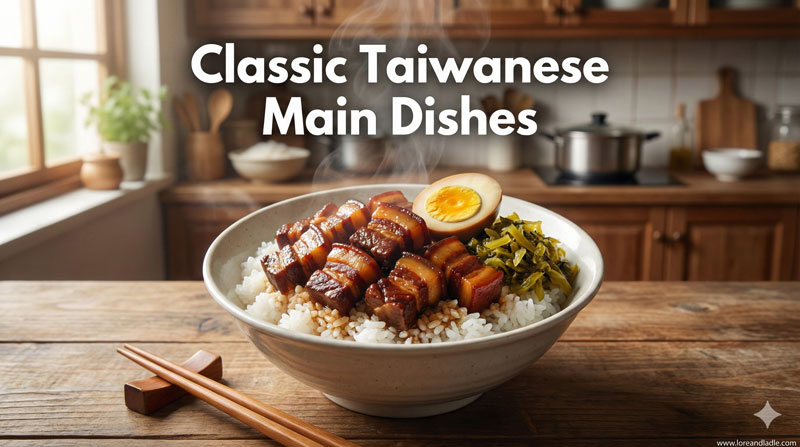
Lu Rou Fan (Braised Pork with Rice) — This dish centers on pork slowly braised in soy, sugar, and aromatics. The result is pork with a glossy glaze and a fragrant, satisfying rice base. It teaches patience and balance, pairing savory depth with a gentle sweetness.
-
Beef Noodle Soup (Niu Rou Mian) — A bowl of tender beef, chewy noodles, and clear broth. The flavors come from aromatics, star anise, and soy. It celebrates comforting warmth and the skill of simmering to extract full flavor without heaviness.
-
Three-Cup Chicken (San Bei Ji) — A fragrant dish brewed in equal parts of soy sauce, rice wine, and sesame oil. Garlic and ginger lift the aroma. The technique highlights quick caramelization and steady simmering, yielding a glossy, aromatic sauce.
-
Oyster Omelette — A lively combination of eggs, small oysters, and greens in a light batter. The texture contrasts crisp edges with creamy interior. It showcases how fresh seafood and vegetables can brighten a little plate into a bright main course.
These dishes illustrate how Taiwanese cooks layer salt, sweetness, and umami. They also demonstrate a respect for texture and aroma. Each plate tells a story of family tables, street stalls, and kitchen experiments that became beloved staples.
Techniques and flavor harmony
Wok stir-fry and braising are common threads. High heat creates quick, flavorful sears. Gentle simmering draws out collagen and creates depth without heaviness. Soy sauce, sesame oil, and rice wine anchor flavors, while ginger and garlic provide brisk notes. Fresh herbs and greens finish many dishes, adding color and brightness. The result is a menu of dishes that feel both bold and balanced. The science of timing and temperature shows how small changes transform texture and aroma. That craftsmanship makes these classics reliable favorites in any kitchen.
Experiencing these dishes in the United States
In the U.S., these classics appear in family-owned eateries, modern Taiwanese bistros, and bustling night markets. Expect warm service and dishes prepared with care. When you order, ask about the sauce and the balance of sweet and salty notes. In addition, try them with simple sides like pickled vegetables or steamed greens to appreciate contrast. Home Cooks can recreate these dishes with common ingredients found in most grocery stores. Start with a strong broth, a careful braise, and a bright finish with scallions or cilantro. The experience is approachable, yet deeply cultural.
Ingredient focus and sourcing tips
Key ingredients guide flavor: soy sauce, rice wine, sesame oil, garlic, ginger, and star anise. Fresh pork, beef, and seafood highlight the main dishes. For a closer restaurant-quality result, use high-quality soy and a light, fragrant stock. In markets outside Taiwan, you can find these items in Asian aisles or specialty shops. When fresh oysters are not available, some cooks substitute other seafood with careful flavor adjustments. The dish will still showcase authentic technique and warmth.
A note on culture and dining
These classics celebrate shared meals. They invite cooks to slow down, taste deliberately, and appreciate how technique shapes flavor. The dishes remind us that a table can become a crossroads of aroma, comfort, and community. By trying them in the U.S., you join a long tradition of enjoying honest, well-crafted food.
Conclusion
Best Classic Taiwanese Main Dishes Dishes to Try in the U.S. presents a doorway to Taiwanese culinary heritage. Through braises, broths, and bright accents, these dishes offer flavor, craft, and a sense of welcome. They are not just meals; they are expressions of hospitality and craft. Enjoy exploring them with curiosity, care, and gratitude for the hands that made them.