
Welcome to a Gift from Taiwan: Best Classic Taiwanese Main Dishes Favorites for New Home Cooks in the U.S.
This post introduces the collection Best Classic Taiwanese Main Dishes Favorites for New Home Cooks in the U.S. It celebrates the cultural value and culinary significance of these beloved dishes. You will discover why they endure in home kitchens, how they showcase balance and craft, and how they can inspire confident cooking in a new kitchen abroad.
The Cultural Value of Taiwanese Main Dishes
Taiwanese main dishes carry stories of family, season, and craft. They center on warmth, shared meals, and the joy of preparing a dish that travels from market to table with care. Each recipe reflects a philosophy of balance—meat, greens, starch, and savor—where fragrance, texture, and color harmonize. These dishes invite cooks to honor tradition while adapting ingredients to their local markets. In this way, the collection becomes more than food; it is a bridge between generations and flavors.
Culinary Significance: Techniques That Define the Classics
What makes these classics stand out is technique as much as taste. Slow braising dissolves fat, allows soy, sugar, and aromatics to mingle, and yields a comforting depth. Simmering brings tenderness to meat and tofu alike, while quick stir-frying preserves the crispness of fresh vegetables and the brightness of greens. Layering flavors—soy, rice stock, garlic, ginger, and a touch of sweetness—creates profiles that are both familiar and distinctly Taiwanese. The dishes encourage precise knife work, careful heat control, and mindful timing, all essential skills for new home cooks.
Spotlight on Iconic Dishes and Their Significance
- Beef Noodle Soup (牛肉麵): A beloved centerpiece that blends hearty meat, aromatic broth, and noodles. This dish teaches patience in building a clear, flavorful stock and the art of balancing meat with a bright broth. It highlights comfort, resilience, and the joy of a shared bowl.
- Three-Cup Chicken (三杯雞): A celebration of aroma and glaze, using equal parts sesame oil, soy, and rice wine. The technique concentrates deep flavors in a glossy finish, illustrating how simplicity can be profound when executed with care.
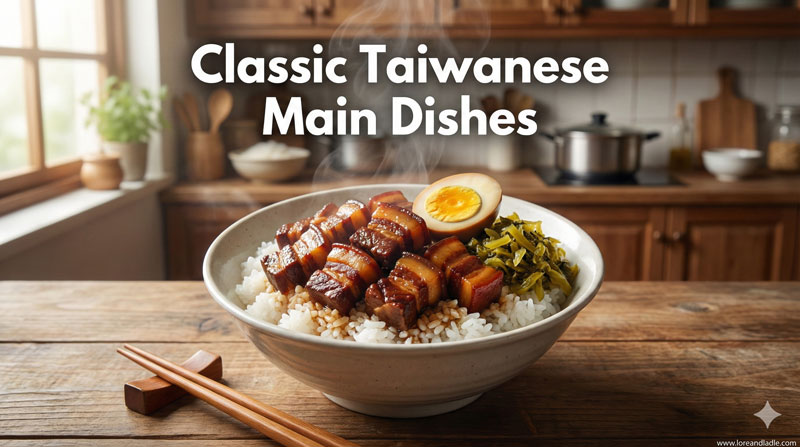
- Braised Pork Rice (滷肉飯): A humble, comforting staple. The slow braise releases fats and seasonings into a fragrant sauce that clings to rice. This dish shows how a single simmer can transform everyday ingredients into a nourishing, aromatic meal.
- Oyster Omelette (蚵仔煎): A street-food favorite that harmonizes briny seafood with crisp batter and a glossy sauce. It reveals how texture and contrast elevate a dish, inviting cooks to consider mouthfeel as a key element of flavor.
- Gua Bao (刈包): The “Taiwanese hamburger” built with tender pork, crisp pickles, and a soft steamed bun. This dish emphasizes balance among sweet, savory, and bright elements, and it celebrates handheld dining as a social act.
Each dish contributes a thread to the tapestry of Taiwanese culinary culture. Together they demonstrate how flavor, technique, and memory come together at the stove and the table.
Ingredient Stories: Flavor, Seasonality, and Place
Core ingredients—soy sauce, garlic, ginger, green onions, and rice wine—appear across these dishes. They connect everyday cooking with a sense of place. Fresh aromatics bloom in spring markets; sturdy proteins anchor heartier meals in winter. Seasonal vegetables bring color and nutrition, while preserved ingredients remind us of home-curing methods that stretch pantry resources. This interplay of fresh and preserved, simple and refined, makes Taiwanese main dishes especially accessible to new home cooks in the U.S., inviting experimentation without losing authenticity.
Practical Tips for New Home Cooks in the U.S.
- Build a small sensory library. Keep a focused set of aromatics (garlic, ginger, scallions) and a reliable soy sauce to anchor flavors.
- Start with braising. Braised pork and Three-Cup Chicken teach you patience and control over glaze and texture.
- Respect the broth. A clear, well-seasoned stock forms the backbone of Beef Noodle Soup and similar dishes.
- Taste as you go. Adjust salt, sweetness, and acidity gradually to harmonize the dish with your local ingredients.
- Practice texture. Aim for tenderness in meat, a gentle chew in noodles, and a crisp edge on vegetables.
Cooking in the U.S.: Substitutions Without Losing Integrity
If certain ingredients are hard to find, choose comparable items that keep the balance intact. For example, use locally available pork cuts that braise well; substitute a light beer or white wine for cooking wine if needed, ensuring the dish remains gentle on the palate. For seafood dishes, select fresh oysters or mushroom substitutes for a similar umami experience. The key is to preserve the harmony of sweet, salty, and savory notes while maintaining the dish’s character.
The Joy of Sharing: From Kitchen to Table
These classic Taiwanese main dishes thrive in gatherings. They invite family and friends to share a table, savor a range of textures, and celebrate the craft of cooking. By preparing these dishes in a new home, you honor a culinary heritage while creating new memories in your own kitchen. The flavors become a language that everyone understands, a reminder that good food travels well and returns as hospitality.
Getting Started: A Simple Plan for the Week
- Plan two braises (such as Braised Pork Rice and Three-Cup Chicken) for slower evenings.
- Add one noodle-based dish (Beef Noodle Soup) to refresh the palate midweek.
- Include a seafood or mushroom-based dish (Oyster Omelette) to vary texture.
- End the week with a comforting one-pot or steamed-bun dish (Gua Bao) that’s easy to assemble for friends.
This approach keeps meals balanced, approachable, and deeply connected to Taiwanese culinary values. It supports growth for new home cooks in the U.S. while keeping cooking joyful and respectful.
A Gentle Invitation to Discover
Best Classic Taiwanese Main Dishes Favorites for New Home Cooks in the U.S. invites you to explore how flavor, technique, and culture converge in the kitchen. The collection stands as a tribute to careful cooking and shared meals. By embracing these dishes, you gain not only recipes but a broader appreciation for the beauty of Taiwanese food and its place in everyday life. May your kitchen be warm, your flavors balanced, and your table full of good company.