
Introduction
Turon, a beloved Filipino treat, greets the table with warmth and a gentle sweetness. It is a small, portable delight that fits into family moments perfectly. A simple combination of ripe plantain or saba banana wrapped in a thin pastry and fried to a golden hue, turon invites conversation and sharing. For readers in the United States, turon can become a comforting link to home while still feeling fresh and exciting for new generations. This piece centers on flavors, textures, and the beauty of gathering around a plate of turon. It also points to the idea of exploration through experience, not instruction. If you’re looking for a guiding sense of what makes turon special, you’ll find it here, including ideas that fit “Best Filipino Turon Recipes to try this year in the U.S. for family dinners” in a friendly, practical way.
Flavor, textures, and key characteristics
Turon is defined by contrast. The exterior wraps crisp and light, often a delicate bite that gives way to a soft, delicate interior. The filling is typically a ripe banana unit—most often saba—and sometimes adds jackfruit for fruity brightness. A touch of brown sugar or caramel forms a sweet glaze as the pastry browns during frying, creating a glossy, inviting surface. The result is a harmony of textures: a crackly crust, a pliant center, and a lingering sweetness that never overwhelms the fruit’s natural aroma.
Key characteristics to notice include:
– The wrapper: a thin, crisp surface that fried to a light shade of gold.
– The fruit: saba banana offers a gentle sweetness and smooth bite that holds its shape.
– The aroma: a faint caramelization with a hint of vanilla or brown sugar.
– The balance: enough sweetness to feel celebratory without being cloying, allowing the banana and pastry to speak clearly.
Flavor combinations can feel simple or expressive. Some cooks introduce tiny accents—cinnamon for warmth, a whisper of sesame for a toasty note, or a touch of coconut for tropical depth. In all cases, the core is the same: fruit, pastry, and a friendly sweetness that invites sharing.
Occasions and shared moments
Turon shines at many moments of daily life and celebration. It is an everyday treat that can lift a weekday dinner or accompany weekend family gatherings. It is equally at Home at larger fiestas and parties where plates pass from hand to hand with smiles. The simple act of preparing and presenting turon becomes a small ritual that emphasizes togetherness.
- Merienda moments: mid-afternoon snacks that pair well with coffee or warm tea.
- Family dinners: a comforting finish that signals care and hospitality.
- Special occasions: birthdays, holidays, and school gatherings where a familiar favorite appears on the table.
- Casual gatherings: a friendly tray of turon fosters conversation and easy sharing.
What makes turon appealing for these moments is its approachable nature. It doesn’t require elaborate setup, yet it feels festive enough to mark a moment as special. The dish invites small gatherings to become meaningful conversations about flavor, texture, and memory.
Ways people enjoy turon
People enjoy turon in several inviting ways, all rooted in warmth and balance.
- Warm, fresh, and simple: straight from the fryer, with a light dusting of sugar or a drizzle of sweet sauce.
- Pairings for contrast: a scoop of vanilla ice cream, a dollop of coconut cream, or a touch of sesame for a nutty finish.
- Texture-focused approaches: some prefer slightly crisper wrappers, others savor extra softness inside; both honor the core fruit and pastry pairing.
- At-home variations: bakers and home cooks may experiment with bake-for-crisp instead of fry-for-crisp, or use a light air-fryer method to achieve a similar texture with less oil.
- Social sharing: turon is frequently plated in neat rows, making it easy to pass along a tray and enjoy together.
No single method is required. The joy comes from the moment of sharing and the comfort of familiar flavors meeting new tastes. The dish supports simple rituals—filling plates, pouring drinks, trading stories—while still offering a pleasantly lush treat at the end.
High-level ideas for variation
To keep turon lively without turning it into a complicated recipe, consider these high-level ideas:
- Classic with a twist: saba banana with jackfruit. The jackfruit adds a bright, fruity note that contrasts the soft banana.
- Nutty and fragrant: a touch of toasted sesame or crushed peanuts on the exterior for subtle crunch and aroma.
- Coconut accent: a light drizzle of coconut cream or a thin coconut sugar glaze that amplifies tropical vibes.
- Cinnamon warmth: a whisper of cinnamon or cardamom in the sugar coating to add depth.
- Plantain alternatives: some cooks use ripe plantains for a slightly different sweetness and texture, still wrapped in the same delicate pastry.
- Healthful edges: bake or air-fry alternatives for a lighter finish, while preserving the familiar shape and caramelized exterior.
These ideas keep the essence of turon intact—fruit, pastry, and a gentle sweetness—while offering small variations for different tastes and occasions.
Best Filipino Turon Recipes to try this year in the U.S. for family dinners
This is a time to celebrate a dish that travels well and adapts to many home kitchens. The Best Filipino Turon Recipes to try this year in the U.S. for family dinners bring the same core elements with subtle, thoughtful adjustments. When you explore this concept, you’ll notice:
- Accessibility: the ingredients are straightforward and commonly found in many markets, including U.S. grocery aisles that stock Filipino or Southeast Asian staples.
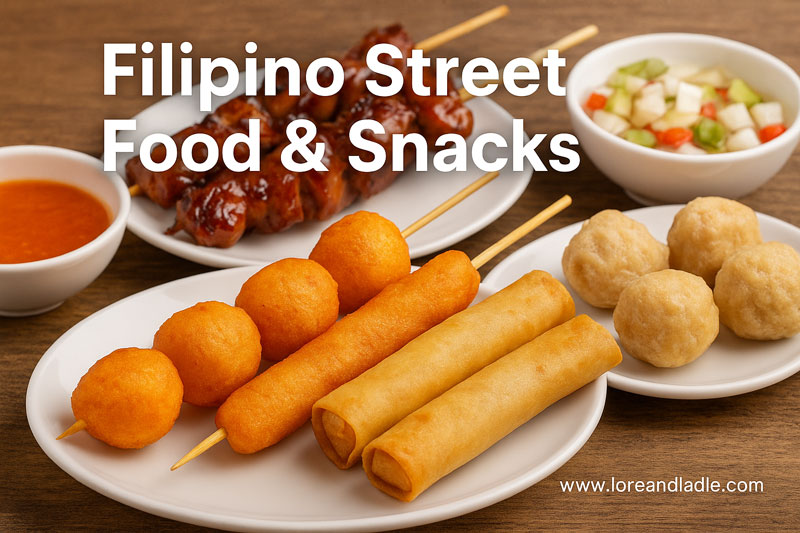
- Plate presence: neat rows of golden cylinders catch the eye and promise a satisfying bite.
- Versatility: you can pair turon with a simple dip, a scoop of ice cream, or a light drizzle of coconut cream—depending on the mood of the dinner.
- Friendly textures: the contrast between the crisp exterior and soft interior remains a defining characteristic, inviting lingering conversations and shared bites.
In this section, you’ll find high-level ideas for flavor pairings and presentation, rather than technical steps. The goal is to spark interest and confidence to try a few variations at home, while keeping the spirit of community and comfort that turon brings to family dinners.
Selecting ingredients and quick storage tips
Choosing good ingredients helps turon shine. Look for:
- Saba bananas when possible, or very ripe plantains if saba is not available.
- A thin, flexible pastry wrapper that crisps nicely when fried.
- Fresh fruit with gentle sweetness that holds its shape during frying.
Storage tips:
– Assemble and refrigerate prepared rolls for a short time if you want to plan ahead.
– Store fried turon in a warm oven for a short period to maintain crispness, if needed.
– If you have leftovers, wrap well and refrigerate; reheat gently to preserve texture.
The goal is simple: keep the fruit fragrant and the pastry crisp, so the final bite tastes fresh and inviting.
A warm, inviting sense of tradition
Turon embodies a sense of home and family without being heavy or formal. It invites conversations about flavors, childhood memories, and everyday rituals that are shared around the table. The dish honors quiet moments and festive occasions alike, bringing people together with a familiar sweetness and a comforting texture. It also offers an approachable way for home cooks to express care, by preparing a treat that is both familiar and delightfully new when shared with others.
A few practical notes for home kitchens
- Start with quality fruit and a wrapper that you enjoy working with. A good balance of sweetness in the fruit and a light glaze on the wrapper makes the classic result sing.
- Keep the process calm and organized. A small, tidy workspace helps ensure the rolls stay neat and the frying goes smoothly.
- Present with warmth. A soft bowl or plate, gentle lighting, and a small garnish like toasted sesame or a dusting of sugar can elevate the moment without complicating the dish.
Closing thoughts
Best Filipino Turon Recipes to try this year in the U.S. for family dinners offer a simple, welcoming way to celebrate flavor, texture, and togetherness. The dish’s gentle sweetness, crisp exterior, and soft interior create a satisfying contrast that many families treasure. By focusing on high-quality fruit, a delicate pastry, and thoughtful presentation, turon becomes more than a dessert—it becomes a small ritual that marks family dinners with care and joy. Whether you stick to a classic approach or gently explore variations, turon remains a dependable, warm, and unassuming favorite in any kitchen. If you’re looking for a comforting, adaptable treat for your next family dinner, turon is worth trying, and the idea of “Best Filipino Turon Recipes to try this year in the U.S. for family dinners” can guide you toward ideas that feel both familiar and fresh. May your next plate of turon bring a smile, a lingering aroma, and a moment of shared sweetness.