
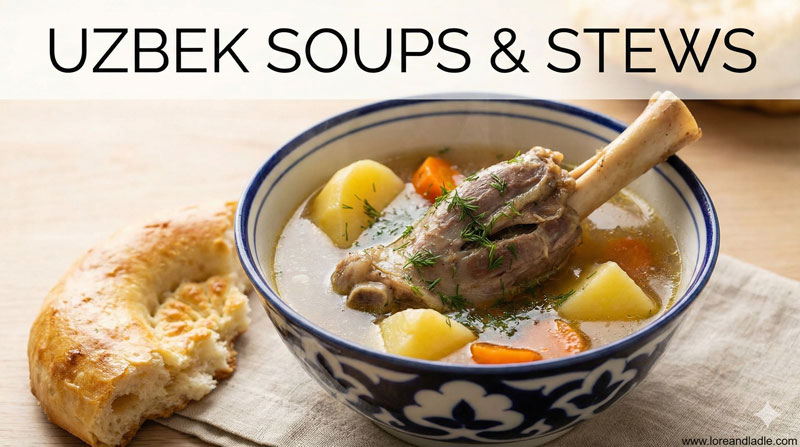
Welcome to Best Recipes for Manti – Uzbekistani Soups & Stews Flavor You’ll Love. This dish is more than a meal; it is a quiet celebration of shared meals, patient craft, and the warmth of Uzbek hospitality. In this post, we celebrate its cultural value and culinary significance, exploring how manti sits at the heart of a rich food tradition that values balance, technique, and generosity.
A Dish that Binds Seasons and Stories
Manti, the small steamed dumplings, carry the memory of gatherings, family kitchens, and seasonal ingredients. In Uzbek culture, meals are moments to connect, and manti often appears when there is time to slow down, to work together, and to savor a table full of aroma and color. Each bite reflects a history of careful handwork, from folding delicate wrappers to nesting the dumplings in a steaming pot. The dish embodies a philosophy of generosity: a single plate can feed many, and every gathering adds another memory to the tapestry of food culture.
The Craft of Manti: Dough, Filling, and Steam
The essence of manti rests in three quietly powerful elements. First, the dough—thin, smooth, and tender—signals a commitment to technique and patience. Next, the filling—often a savory mix of ground meat with onions and spices—offers a harmonious balance of richness and sweetness. Finally, the steaming method preserves moisture and aroma, letting the flavors unfold gently. In Uzbek practice, these dumplings are more than food; they are a small sculpture of texture and flavor, shaped with care and steamed in dedicated vessels or large pots designed for gentle, even heat. The result is a dumpling with a soft bite, a juicy center, and a wrapper that glows with pantry-fresh aromas.
Regional Variations Within Uzbekistan
Uzbekistan’s regions contribute subtle personalities to manti. In Samarkand and nearby valleys, the dumplings may carry a bold echo of spices and a slightly heartier meat filling, reflecting local hunting and herding traditions. In Bukhara, a nuanced balance between onion sweetness and peppery notes often appears, giving a sense of the city’s own culinary rhythm. Tashkent, a modern hub with diverse influences, can present lighter fillings and delicate wrappers that highlight technical finesse. Across these variations, the shared language remains: a dumpling that respects the meat’s savor, the onion’s rounding sweetness, and the herbaceous lift of dill or coriander. The result is a family of flavors that feels distinctly Uzbek, yet warmly universal in its appeal.
The Social Heart: Sharing and Hospitality
Hospitality shapes every step of manti’s story. Preparing these dumplings becomes a social act—parents teaching children how to pinch, siblings trading stories as wrappers are laid out, friends swapping tips about dough thickness and filling balance. The act of serving manti to guests is a gesture of welcome and generosity. A bowl of yogurt sauce, sometimes with garlic, and a touch of chili oil or fresh herbs, accompanies the dumplings. In this setting, manti becomes a bridge between generations, a ritual that invites conversation, laughter, and a shared sense of place around the table.
Serving Traditions and Aromas
In Uzbek homes, the moment of serving adds another layer of meaning. The aroma of warm meat, onion, and herbs rising from the steaming vessel signals a gathering in progress. A simple yogurt accompaniment enhances brightness and creaminess, while a drizzle of herbaceous oil or pepper offers a pop of color and warmth. The visual of porcelain plates, fresh greens, and the pale sheen of the dumplings invites a patient, savoring approach. These little rituals—serving first to elders, using a ladle with care, sharing the first bite—create a memory that transcends the meal itself and reinforces a sense of belonging within the community.
Tools, Techniques, and Timelessness
A quiet reverence for tools underscores manti’s cultural value. The mantovarka, a specialized steaming vessel, helps maintain even heat and crisp edges where appropriate. Perforated trays allow steam to circulate gently, aging the dumplings just enough to set the wrappers without drying them. Across families, the exact setup may vary, yet the principle remains: respect for the craft yields a dumpling that feels both timeless and fresh. This respect for technique mirrors a broader cultural value—care taken in everyday cooking is a form of care for others.
Seasonal Ingredients and Sustainability
Manti invites the best of the season. In practice, cooks choose fresh meat, onions, herbs, and spices that reflect what’s available. This seasonal approach honors farmers, markets, and local rhythms. When onions glaze in the pan and herbs lend bright notes, the dish becomes a celebration of the harvest and the community that grows it. Cooking this way also supports sustainable kitchen habits: choosing quality ingredients, using them fully, and sharing the results with neighbors and loved ones.
Preservation, Education, and Passing on Flavor
The culinary value of manti endures through storytelling and teaching. Families pass down wrappers’ thickness, the balance of seasonings, and the folding technique. Younger cooks learn patience as they practice precise pinching and even distribution of filling. In this way, manti becomes less about a single recipe and more about a living tradition—an evolving practice that retains authenticity while inviting gentle innovation.
Quick Tips for Embracing the Culture in Your Kitchen
- Respect the balance: aim for a delicate wrapper and a juicy filling. The harmony between dough and meat is central to the experience.
- Let the steam do the work: a steady, moderate steam preserves moisture and aroma, letting flavors unfold gracefully.
- Keep it social: if possible, involve family or friends in shaping and assembling the dumplings. The act of making them together enriches the cultural value.
- Pair thoughtfully: a cooling yogurt sauce and a bright herb finish heighten the dish’s freshness and balance.
- Honor regional pride: explore small variations in wrappers, fillings, and spices to appreciate Uzbekistan’s diverse flavors.
The Future of Manti in Uzbek Cuisine
As kitchens modernize, manti remains a steadfast ambassador of Uzbek culinary identity. The dish travels gently across households and communities, inviting new cooks to connect with traditional roots while adding personal touches. In this way, manti continues to be a banner of ambrosial humility: a simple form that carries a deep sense of place, craft, and warmth. The beauty lies not only in taste but in the shared moment—the table set, the steam rising, and the collective memory formed around a plate of tender dumplings.
Conclusion
Best Recipes for Manti – Uzbekistani Soups & Stews Flavor You’ll Love invites readers to savor more than a dish; it invites you to understand a culture built on generosity, craft, and communal joy. This humble dumpling embodies timeless values: patience in technique, care in sharing, and a lasting link between generations. By exploring the regional voices within Uzbekistan and the shared rituals that accompany each serving, we glimpse how food can tell stories, welcome friends, and nourish a people’s sense of identity. Enjoy the beauty of manti as a timeless gift from Uzbek culinary culture.