
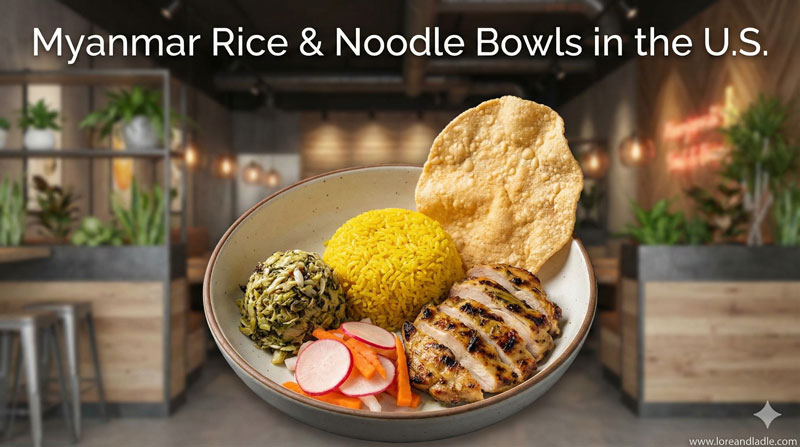
Best Myanmar Rice & Noodle Bowls in the U.S. Loved in the U.S. Right Now
Myanmar rice and noodle bowls sit at a welcoming crossroads of flavor, color, and everyday ritual. in the United States, these bowls have captivated diners with bright aromatics, satisfying textures, and a sense of home in every bite. They are more than meals; they are edible stories of a land where rice and herbs meet quick-warmed broth, zesty lime, and roasted peanuts. The result is a dish that feels both comforting and adventurous, a testament to culinary craft expressed in simple, thoughtful steps.
The Heart of Myanmar Bowls: Rice, Noodles, and Fresh Flavors
At the core, these bowls pair tender noodles or fluffy rice with a vibrant balance of sweet, sour, salty, and spicy notes. The noodles carry the story of the pull and twist that Burmese cooks value in hand-pulled or sliced strands, while rice forms a soft, sturdy stage for toppings and broths. Fresh herbs—like cilantro and mint—join crunchy vegetables, citrus lift from lime or tamarind, and a kiss of fish sauce or a light coconut broth. This harmony highlights everyday ingredients done with care, turning a simple bowl into a memorable moment at the table.
Signature Styles You’ll Encounter in the U.S.
Among the best-loved forms are Shan-style rice noodles—often served in a light broth or separated with a savory sauce—and Meeshay bowls, where rice noodles mingle with minced meat, stock, and toppings. Often, bowls arrive crowned with crushed peanuts, fried onions, sesame, or garlic oil. In American kitchens and eateries, chefs adapt heat to taste and swap local produce, while preserving the essential Burmese voice: a balance of depth, brightness, and texture. The dish invites customization, inviting diners to tailor spice, acidity, and richness for a personalized experience.
Techniques and Textures that Define the Dish
Texture matters as much as flavor. Chewy noodles meet silky broths, while crisp herbs and nutty toppings provide contrasting bites. A bright squeeze of lime lifts the dish; a touch of toasted sesame or peanuts adds warmth. The technique of layering flavors—garlic, shallots, lime, fish sauce, and a touch of sweetness—creates a chorus in the bowl. This careful layering is a hallmark of Myanmar cooking, where modest ingredients become expressive through thoughtful preparation.
A Bridge in American Dining: Cultural Value and Shared Tables
In the U.S., Myanmar rice and noodle bowls invite a wide audience to explore a cuisine renowned for balance and hospitality. They encourage sharing and conversation at the table, as friends and family gather to enjoy bowls that are visually inviting and deeply satisfying. The dishes celebrate seasonal ingredients and regional influences, while preserving a sense of tradition in a modern setting. This makes them a welcoming option for those curious about Burmese flavors and for regulars who return for the steady comfort they provide.
Practical Considerations for Home Cooks
To recreate at Home, start with a clear stock or light broth, cook noodles just until al dente, and prepare fresh herb toppings close to serving. Keep a small bowl of lime wedges, crushed peanuts, and fried shallots on hand for quick finishing touches. If you like extra brightness, add a splash of citrus juice or a dash of vinegar. The key is balance: allow each component space to shine while harmonizing flavors in every bite.
Conclusion: Why These Bowls Shine Right Now
Best Myanmar Rice & Noodle Bowls in the U.S. Loved in the U.S. Right Now celebrate a culinary heritage that values freshness, balance, and care. They offer a flavorful path into Burmese cuisine and a versatile, inviting eating experience. With every bowl, you taste craftsmanship, community, and the enduring delight of well-composed comfort food.