
Welcome to Best Recipes for Qazi
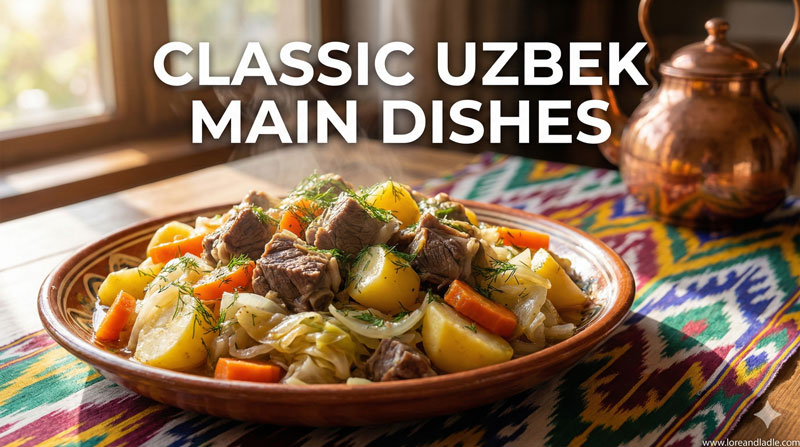
If you are exploring Best Recipes for Qazi – Classic Uzbekistani Main Dishes Flavor You’ll Love, you are stepping into a flavorful tradition. Qazi stands out as a beloved main dish in Uzbek kitchens, celebrated for its comforting textures, balanced flavors, and warm, inviting aroma. This post focuses on the cultural value and culinary significance of Qazi, inviting you to savor not just a meal but a moment of Uzbek hospitality.
The Heartbeat of Qazi: Meaning, Mood, and Memory
Qazi embodies the spirit of Uzbek cooking: patience, balance, and sharing. The dish centers on harmony between meat, vegetables, and grain, brought together with spices and careful simmering. Every simmer releases layers of aroma, a cue that families gather, stories begin, and meals become memories. In this sense, Qazi is more than dinner; it Is a ritual of welcome, a dish that signals care and generosity to guests and loved ones alike.
What Makes Qazi Special in Uzbek Cuisine
Qazi is distinguished by its approach to texture and depth. Meat provides a robust foundation, while vegetables introduce sweetness and brightness. A slow, attentive simmer allows flavors to mingle, creating a savory, comforting profile. The use of grains—such as barley or short-grain rice—adds heartiness and a substantial feel that sustains conversations and shared dishes long into the evening. The balance of spices—cumin, coriander, garlic, and pepper—helps lift the dish without overpowering its natural goodness. The result is a main course that feels both rustic and refined, a reflection of Uzbek culinary craftsmanship.
Common Ingredients and Flavors
- Meat: lamb or beef, chosen for tenderness and depth
- Aromatics: onions and garlic for a welcoming base
- Vegetables: carrots, tomatoes, and sometimes bell peppers for color and sweetness
- Grains: barley or short-grain rice for body
- Spices and herbs: cumin, coriander, black pepper, and a touch of chili flourish
- Fats and seasonings: a gentle oil for sautéing and salt to taste
- Finishing notes: fresh dill or cilantro to brighten the finish
This combination shows how Uzbek cooks coax flavor from everyday ingredients, turning a simple supper into a scene of comfort and care. Serving with a crusty bread or a simple yogurt accompaniment often completes the experience, echoing the hospitality that defines Uzbek food culture.
Regional Variations: A Tapestry of Uzbek Taste
Different regions bring subtle twists to Qazi, adding local character while preserving the core concept. In one region, you might find a slight emphasis on tomatoes and peppers to create a bright, tangy undertone. In another, barley takes a stronger role, giving the dish a plump, chewy bite that complements slow-cooked meat. Across towns near rivers or fertile valleys, cooks may adjust spice balances, using fresh herbs gathered from the market that day. These variations celebrate the diversity within Uzbek cuisine, yet they all honor the shared idea of Qazi as a hearty, nourishing centerpiece for Family meals.
Serving Traditions and Pairings
Qazi is best enjoyed with the rituals of Uzbek table culture. A loaf of warm bread (lepeshka) often accompanies the dish, ready to scoop up the rich sauce and tender grains. A dollop of yogurt or a drizzle of yogurt-based sauce can soften spice and add tang. Green tea rounds out the meal, offering a clean, comforting finish. The presentation emphasizes warmth and generosity: a fragrant pot at the center of the table invites everyone to serve themselves, share stories, and linger a while longer.
A Simple Classic Technique (Overview)
- Brown the meat gently in a little oil to develop flavor.
- Add onions and garlic; cook until translucent and fragrant.
- Stir in spices to awaken their aroma.
- Add carrots (and peppers, if using); sauté briefly.
- Pour in tomatoes or tomato paste and enough stock to braise.
- Bring to a simmer, then add barley or rice.
- Cover and cook slowly until the grains are tender and the meat is fork-soft.
- Finish with fresh herbs and adjust salt to balance.
- Serve hot with bread or yogurt on the side.
This method honors the essence of Qazi: patient layering, careful heat, and a final touch of brightness from herbs.
Preserving the Beauty of Qazi in Modern Kitchens
Even in contemporary homes, Qazi remains a symbol of hospitality and shared meals. Home cooks can honor tradition by paying attention to texture and aroma, not rushing the simmer, and choosing quality meat and fresh vegetables. Small adjustments—like using a gentle heat, letting the grains plump fully, or pairing with seasonal herbs—keep the dish vibrant while staying true to its roots. Sharing the cooking process with family or friends enhances the cultural value, turning a recipe into a memorable experience.
Conclusion: The Enduring Flavor of Uzbek Hospitality
Qazi embodies the heart of Uzbek cuisine: warmth, balance, and generosity. By exploring the best recipes for Qazi, you discover more than a main dish; you discover a cultural practice that celebrates nourishment, community, and the joy of a well-made meal. Whether you follow a classic approach or embrace a regional variation, Qazi invites you to slow down, savor the aromas, and feel the beauty of Uzbek culinary heritage.