
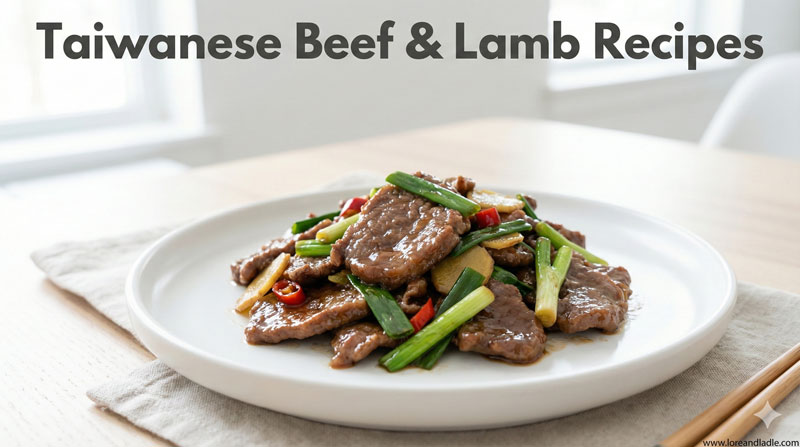
Introduction: A Celebration of Flavor and Tradition
Introducing the dish titled “Best Taiwanese Beef And Lamb Recipes Favorites to Try in the U.S.” invites readers into a world where rich braises, bright aromatics, and comforting broths weave together through shared meals. This collection highlights how beef and lamb can express Taiwanese culinary heritage with warmth and accessibility. The aim is to honor flavor, technique, and the social joy of cooking, all while staying grounded in the beauty of everyday traditions. In homes across the United States, these recipes become a bridge between kitchens, inviting curiosity and respectful appreciation for thoughtful cooking. The result is more than nourishment; it is a quiet celebration of craft, seasonality, and communal tasting.
The Essence of Taiwanese Beef and Lamb in the American Kitchen
Taiwanese beef and lamb recipes bring a distinctive balance of savory depth and aromatic brightness. Braised beef, slow-cooked until tender, carries notes of soy, star anise, and ginger. Lamb dishes echo warmth with spices that harmonize with onions, garlic, and subtle aromatics. In the U.S., these dishes find welcoming real estate on weeknight tables and Weekend Gatherings alike. They offer comfort without heaviness, complexity without pretension, and a sense of place that invites cooks to explore regional flavors with confidence. This collection shows how beef and lamb can stand alone as star ingredients and also play well with familiar pantry items, allowing home cooks to honor tradition while enjoying modern practicality.
Techniques That Elevate Flavor without Complexity
Key techniques give these recipes their signature depth. First, braising creates a canvas where lean cuts become velvet-tender and sauce becomes a glaze of layered aromas. Second, simmering with a careful balance of soy, sweetness, and salt draws out the meat’s character without masking it. Third, resting the meat after cooking lets flavors settle and improves texture. Fourth, gentle reduction of braising liquids concentrates the sauce, giving a glossy finish and a satisfying first bite. Finally, mindful use of aromatics—ginger, garlic, green onions, and spices—adds brightness and complexity. These techniques empower home cooks to achieve restaurant-quality results in familiar kitchen spaces.
Aromatics and Flavor Principles: Crafting Balance
A core principle in Taiwanese beef and lamb cooking is balance. Soy brings savoriness and color; sweetness from sugar or maltose softens the bite of salt, while ginger adds a zesty warmth. Star anise, cinnamon, and a hint of peppercorn provide spicy-sweet notes that linger. Fresh aromatics like garlic and scallions lift the dish, preventing heaviness and delivering a clean aftertaste. In these recipes, acidity from a touch of rice wine vinegar or citrus zest can brighten the sauce. The result is a harmonious profile where no single element overwhelms another. The approach invites cooks to taste, adjust, and celebrate the moment when flavors align.
Beef Favorites: Noodle Soup and Braised Classics
Beef takes center stage in several beloved forms. Beef Noodle Soup is a signature dish that pairs tender meat with a comforting, savory broth. The rich stock carries depth from soy and spices, while noodles soak up the flavor, creating a satisfying, cohesive bowl. Braised beef cuts—often brisket or shank—are slowly simmered with daikon or turnips, yielding a melt-in-your-mouth experience and a glossy, lacquered sauce. These preparations showcase patience and precision, rewarding careful technique with deeply satisfying results. In the U.S., cooks appreciate how these beef-focused recipes translate from a restaurant menu to a home kitchen, offering a sense of culinary storytelling with every bite.
Lamb Delights: Tender, Aromatic, and Gracious
Lamb dishes in this collection emphasize tenderness and aroma. Lamb is paired with onions and herbs in braises that coax sweetness from the meat and develop a savory, fragrant glaze. Skewered lamb with mild spices echoes street-food charm, yet it remains approachable in the home kitchen when cooked with care. Lamb hot pots or stews bring a comforting, communal feel, inviting friends and family to share in a slow-cooked, fragrant experience. The lamb recipes emphasize balance as well—letting the natural meatiness of lamb mingle with aromatic notes rather than overpower it. In the American kitchen, these lamb preparations offer a fresh perspective on familiar ingredients, celebrating texture, aroma, and generosity.
Pairings that Enhance the Experience: Staples and Sides
These dishes pair beautifully with simple, bright accompaniments. Steamed rice serves as a neutral canvas that soaks up sauce and broth. Pickled vegetables provide a crisp, acidic contrast that refreshes the palate. Light greens or sesame-tortilla salads add color and texture, while a clear broth or light soup can balance a table that features richer braises. Tea or a mild barley drink offers a refreshing finish between bites. The goal is to complement the meat with elements that lift flavor without stealing the spotlight, preserving the dish’s elegance and making the table inviting for guests of all tastes.
The Soul of the Table: Cultural Value in Everyday Cooking
The cultural value of these Taiwanese beef and lamb recipes lies in their ability to bring people together through thoughtful, deliberate cooking. They honor time-honored methods—slow braising, careful seasoning, and respectful ingredient choice—as acts of care. Sharing a pot of braised beef or a steaming bowl of noodle soup communicates hospitality and attention to detail. These meals become memory anchors in the home, tying generations through flavor and technique. By choosing quality ingredients and patient preparation, cooks pass down a practice of mindfulness, pride, and respect for culinary craft. The beauty of the dishes resides not only in taste but in the emotional warmth of a well-made, shared meal.
Crafting the Experience at Home: Practical Tips
- Start with quality bones or cuts; good stock foundations amplify every bite.
- Use a light touch with salt early; you can add more later as flavors develop.
- Allow braises to rest after cooking; this improves texture and flavor integration.
- Taste often and adjust with a small amount of sugar, soy, or acid to balance.
- Slice meat against the grain for tenderness and even texture.
- Keep aromatics simple yet intentional; a little ginger and garlic goes a long way.
The U.S. Culinary Scene: How These Dishes Travel and Transform
Across the United States, home cooks and professional kitchens alike embrace Taiwanese beef and lamb Recipes for their versatility and comforting appeal. Restaurants may highlight beef noodle soup as a signature bowl, while home cooks experiment with braises that can be enjoyed as a weeknight staple or a weekend centerpiece. The dishes encourage experimentation with local ingredients while staying faithful to core techniques. By adapting seasoning levels and ingredient availability, cooks can preserve the essence of Taiwanese flavors while making the dishes approachable for diverse palates. The result is a dynamic culinary dialogue that respects tradition and welcomes new expression.
Final Reflections: Why This Collection Matters
The dish collection “Best Taiwanese Beef And Lamb Recipes Favorites to Try in the U.S.” matters because it elevates the everyday act of cooking into an invitation to explore flavor, technique, and cultural craft. It celebrates beef and lamb as dynamic ingredients capable of producing comfort, elegance, and shared joy. In every simmer, every chop, and every taste, the dishes reveal a quiet ingenuity: how time, temperature, and balance transform simple ingredients into memorable experiences. This is cooking that honors both origin and adaptation, offering a respectful, uplifting way to enjoy Taiwanese culinary artistry in homes across the United States. By approaching these recipes with care and curiosity, readers can savor the beauty of the dish and its place in food culture, now and for years to come.