
Introduction: A dish that speaks of shared tables
The dish “Best Taiwanese Beef And Lamb Recipes Dishes That Are Trending Right Now” invites readers into a warm circle of flavors that honor both beef and lamb. This is not just a set of recipes; it is a reflection of how Taiwanese cooks blend technique, seasonal ingredients, and care for family meals. The dish shows how people come together around a pot, a bowl, or a platter to celebrate comfort, balance, and hospitality. In this post, we focus on its cultural value and culinary significance, keeping a neutral, open voice that welcomes curiosity and appreciation.
The heart of Taiwanese hospitality
Taiwanese cuisine thrives on hospitality. Food acts as a bridge between generations, a way to welcome guests, and a signal of care. Dishes that feature beef and lamb often take center stage at gatherings, markets, and festive meals. They invite conversation about texture, aroma, and color. The sizzling sound of a glaze meeting a hot pan, the steam rising from a simmering pot, and the sight of glossy meat against bright herbs—all these details reinforce a sense of togetherness. This dish embodies that spirit: a shared experience where each bite carries memory, technique, and seasonal freshness.
Core techniques that shape the dish
Three core techniques give the dish its character. First, braising or slow simmering builds deep, rounded flavors by letting soy, aromatics, and spices mingle long enough to tenderize meat. Second, a balanced spice blend—often including garlic, ginger, star anise, cinnamon, and a touch of five-spice powder—creates a warm, inviting profile that complements both beef and lamb. Third, careful layering of umami through stock, soy sauce, and a splash of rice wine delivers a comforting savor without overwhelming the natural meat sweetness. These methods are timeless in Taiwanese kitchens and help elevate the dish beyond simple cooking to a studied craft.
Flavor and ingredient palette that speak to place
The beauty of this dish lies in its adaptable toolkit. Beef brings a hearty, robust character, while lamb contributes a lighter, slightly gamey note that blends beautifully with warm spices. Common cuts include brisket or chuck for beef and leg or shoulder for lamb, chosen for their ability to stay tender through braising. Vegetables such as radish, daikon, potatoes, and napa cabbage often accompany the meat, absorbing the braising liquid and adding texture. Aromatics—garlic, ginger, scallions—provide a bright foundation. A hint of sweetness may come from a touch of sugar or mirin, balancing salt and savor. The result is a harmonious palette that feels both rooted in tradition and fresh in interpretation.
Trending dishes and what they reveal about culture
Within the trend of this dish, you’ll find variations that highlight regional preferences and seasonal ingredients. Some preparations lean toward a hearty beef stew with tender chunks and a glossy glaze. Others showcase lamb in a cumin-tinged or five-spice-forward profile, echoing Northern flavors while still staying Taiwanese in technique. Noodles, dumplings, or steamed buns can accompany the meat, turning meals into complete experiences. These trends reveal a culinary culture that values diversity of texture, a bright balance of salty and sweet, and the joy of presenting a well-sauced, vividly colored dish at the table. They also show how cooks adapt a classic framework to celebrate contemporary tastes while honoring tradition.
How to pair and present with care
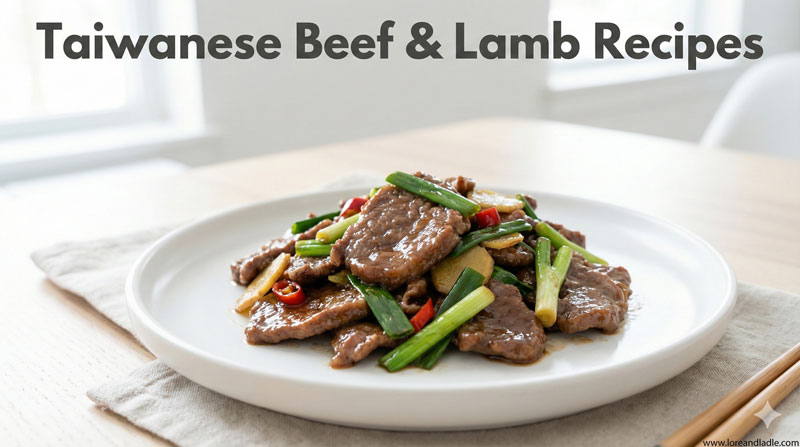
The dish lends itself to simple, elegant presentation. A generous heap of meat sits alongside glossy braised vegetables, with a sprinkle of chopped scallions or cilantro for color. White rice or soft buns make an excellent base, soaking up the flavorful sauce. Fresh cucumber or pickled vegetables offer a crisp contrast that brightens the plate. For beverages, a pot of mild tea or a light drink with citrus notes can cleanse the palate between bites. This thoughtful pairing reinforces the cultural idea that food is a social beacon—an occasion to slow down, savor, and share.
Techniques to bring the dish to your home kitchen
- Start with quality meat: choose well-trimmed cuts with marbling for beef, and tender cuts for lamb.
- Build flavor in stages: brown the meat first, then bloom aromatics, then simmer with stock and seasonings.
- Balance the braise: adjust soy for savor, add a touch of sweetness if needed, and finish with fresh herbs for brightness.
- Let it rest: after braising, give the meat a moment to settle to stay juicy when served.
- Serve thoughtfully: pair with rice, noodles, or buns, and include crisp vegetables for contrast.
The cultural value in everyday Taiwanese cooking
This dish embodies how Taiwanese cooks value balance, patience, and shared dining. It honors the idea that a successful meal respects both tradition and curiosity. By cooking beef and lamb together, it celebrates the versatility of meat and the way flavor evolves with time and heat. The approach teaches Home Cooks to see a pot as a studio: a place to layer meanings, textures, and aromas. It also reflects the seasonal rhythm of ingredients available in markets, guiding cooks to select what is fresh and fragrant. In this sense, the dish is more than a set of steps; it is a living practice that connects daily meals to a larger culinary story.
A respectful invitation to explore
If you are new to Taiwanese beef and lamb dishes, approach them with curiosity and respect for technique. Start with a modest batch to learn the timing of your stove, then adjust spice levels to your palate. Notice how the meat yields under gentle heat and how the sauce thickens as it reduces. Share the results with family and friends, and invite feedback to refine your method. Through this process, you participate in an enduring tradition that values warmth, generosity, and careful craftsmanship.
Conclusion: a flavorful thread in Taiwan’s culinary fabric
The dish “Best Taiwanese Beef And Lamb Recipes Dishes That Are Trending Right Now” stands as a tasty ambassador of Taiwanese cooking. It highlights how beef and lamb can play together in ways that feel both comforting and refined. Its cultural value rests in how it brings people into the same pot, how it teaches technique, and how it honors seasonal ingredients. By exploring its flavors, techniques, and presentation, readers can appreciate a cuisine that invites everyday joy, careful preparation, and respectful sharing. This dish is more than food; it is a reminder of the beauty found in thoughtful cooking and in the conversations that ripple from a well-made meal.