
Introduction: Welcome to a beloved Taiwanese staple
The dish Best Taiwanese Beef And Lamb Recipes Ideas for New Home Cooks in the U.S. invites us into a kitchen full of warmth and balance. It honors two hearty meats—beef and lamb—while revealing how Taiwan’s pantry and techniques shape comforting, everyday meals. This post highlights the cultural value and culinary significance of the dish, offering ideas that empower new home cooks in the United States to savor and share a timeless flavor profile with care and curiosity.
A tapestry of aroma and texture
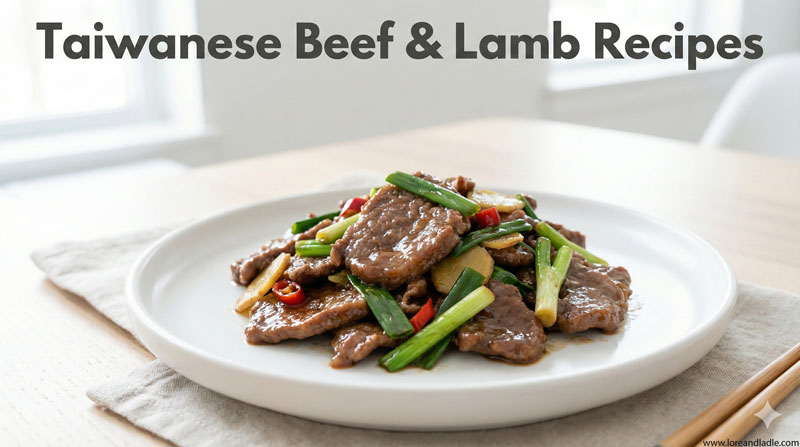
At the core, this dish pairs beef’s depth with lamb’s bright character. The result is a plate where sweet, salty, and savory notes meet tender textures. The meat carries a glossy glaze and a fragrance from aromatics that bloom during slow cooking. This harmony is not just about taste; it’s about the way food brings people together. Each bite tells a quiet story of patience, skill, and respect for the ingredients.
Core ingredients and techniques
Taiwanese home cooking leans on simple, layered flavors. Here are the essentials:
- Key aromatics: garlic, ginger, scallions, and star anise provide warmth and lift.
- Sauce notes: soy sauce, a touch of sugar, and a splash of rice wine create a balanced glaze.
- Tenderness through braise: gentle simmering softens beef and lamb while infusing the sauce.
- Complementary textures: add vegetables like potatoes or carrots for substance and color.
Techniques to embrace:
– Browning the meat first to seal in juices.
– Deglazing the pan to lift flavorful bits.
– Low, steady simmer until the meat feels silky, not chewy.
– Finishing with a dash of pepper or citrus zest to brighten the profile.
Cooking as hospitality and cultural expression
This dish embodies a spirit of care. In Taiwan, family meals emphasize harmony, balance, and the joy of sharing a lovingly prepared dish. The duo of beef and lamb showcases versatility and respect for different textures and flavors. The preparation invites thoughtful timing, clean mise en place, and a calm approach in the kitchen. When served, the dish invites conversation, gratitude, and a sense of welcome at the table.
Practical tips for new home cooks in the U.S.
- Start with accessible cuts: chuck or shoulder for beef, and shoulder or leg for lamb, which become tender with braising.
- Adapt spice and sweetness: adjust soy, sugar, and salt to your palate and to the meat’s fat content.
- Pantry-friendly substitutions: if star anise isn’t on hand, a small cinnamon stick or a pinch of fennel can offer a similar warmth.
- Pairing ideas: serve with steamed rice, sautéed greens, or a simple cucumber salad to cleanse the palate between bites.
- Step-by-step approach: brown the meat, simmer with aromatics, then glaze with the soy-based sauce until glossy.
Sourcing and mindful preparation
Choose fresh meat from reputable markets, and trim excess fat for a cleaner, balanced sauce. Fresh aromatics give the dish its bright kick, so select ginger, garlic, and scallions with fragrance and firmness. As you prepare, keep a mindful pace. The beauty of this dish grows as ingredients merge and mellow together.
A simple path for new home cooks
If you’re just starting, try a pared-down version:
– Use beef chuck and lamb shoulder.
– Simmer with garlic, ginger, star anise, soy sauce, and a touch of sugar.
– Finish with a quick drizzle of sesame oil and a sprinkle of sliced scallions.
This approach teaches technique and builds confidence, while preserving the dish’s essence.
Conclusion: The beauty of Taiwanese flavors in the U.S.
Best Taiwanese Beef And Lamb Recipes Ideas for New Home Cooks in the U.S. offers a doorway into a refined, comforting tradition. It celebrates the synergy of two meats, a mindful kitchen routine, and the joy of sharing a thoughtful meal. In U.S. kitchens, this dish becomes more than food; it becomes a bridge to cultural flavor, skill-building, and everyday hospitality. Enjoy the process, savor the aroma, and welcome friends and family to the table with warmth.