
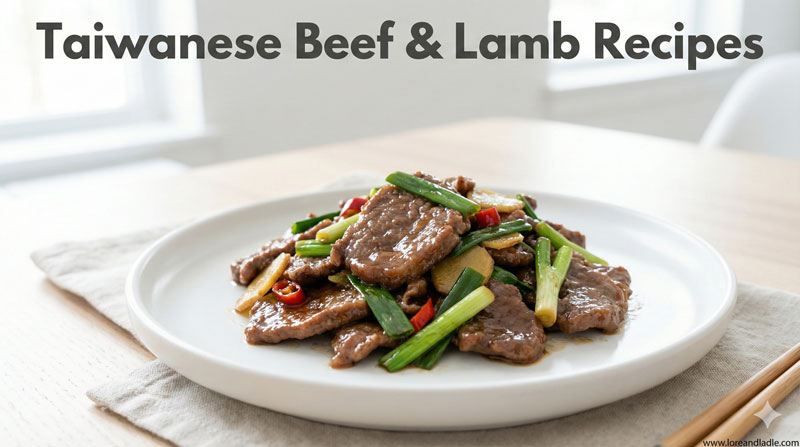
Introducing Best Taiwanese Beef And Lamb Recipes Recipes That Are Trending Right Now
This collection centers on beef and lamb dishes that resonate deeply in Taiwanese kitchens and street stalls. It highlights how tender meat, bold aromatics, and careful simmering come together to create comforting bowls and braises. The name itself signals a curated moment where tradition and current taste meet. Each dish invites readers to savor a sense of place, craft, and shared meals.
Cultural value and place in Taiwanese dining
Beef and lamb play meaningful roles in Taiwanese food culture. They appear wherever families gather to celebrate, share a meal, or simply enjoy a weekend feast. These recipes honor patience and attention, two traits valued in home cooking. They also showcase generosity: large portions, rich broths, and groups of friends or relatives gathered around the table. The dishes bridge everyday dinners and festive occasions, making every spoonful feel both familiar and special. In markets and home kitchens alike, the aroma of soy, star anise, and garlic signals hospitality and welcome. The best dishes turn simple ingredients into memories, and that social spirit is at the heart of these trends.
Culinary significance: techniques and ingredients that define the dish
At the core, slow braising and steady simmering bind texture and depth. Beef shines when cut with connective tissue that breaks down into velvety richness. Lamb brings a lighter, bright note when tempered with fresh herbs and citrus zest. Key aromatics—ginger, garlic, scallions, star anise, cinnamon, Sichuan pepper—add warmth and complexity. Soy sauce, rice wine, and a touch of sugar balance savory, sweet, and umami. Common vegetables like daikon or greens absorb flavor without overpowering it. The resulting broths are silky and savory, inviting another ladle without tiring the palate. Cooking methods range from braising and stewing to gentle stir-fries and hot-pots, giving cooks flexible paths from pantry staples to table-ready meals.
Flavor profile and sensory experience
Expect a harmonious blend of deep meaty sweetness, earthy spice, and bright herbaceous lift. The beef tones are robust but mellow, while lamb offers a tender, aromatic counterpoint. The broth carries a glossy mouthfeel, enhanced by long simmering and careful seasoning. Steam carries perfume—ginger, garlic, and star anise mingle with soy and wine to perfume the room. The texture is crucial: fork-tender meat, soft vegetables, and a viscous-but-not-heavy sauce. Each bite feels comforting yet lively, a balance that many readers find both satisfying and uplifting.
Regional influences and variations
Taiwan’s geography and farming practices shape these recipes. Northern bites may lean toward brisker cuts and bolder soy notes, while southern variations savor lighter broths and brighter spice accents. Coastal markets favor seafood-friendly combinations but also offer sturdy beef and lamb braises that complement rice bowls and noodle dishes. Across towns, cooks adapt to what’s fresh: local herbs, seasonal greens, and family heirloom cuts. The result is a spectrum of dishes that share a common philosophy—maximize flavor with restraint and honor the meat’s natural character.
How this dish fits into modern Taiwanese dining culture
Today’s trends remix traditional techniques with contemporary plating and healthier simmering methods. Home cooks and chefs alike seek clear, high-impact flavors that remain comforting. The spotlight on these beef and lamb recipes reflects a broader appreciation for versatile proteins that suit both daily meals and weekend gatherings. In social media and restaurant menus, the dishes show how Taiwanese cuisine evolves: rooted in craft, open to refinement, and always about sharing good food.
Cooking methods for home kitchens
To recreate the essence at Home, start with a solid base: a well-browned meat chunk, a fragrant soffritto of garlic and ginger, and a stock infused with star anise and cinnamon. Add soy sauce, a splash of rice wine, and a touch of sugar to balance. Simmer slowly until the meat is tender and the sauce thickens to coat each piece. If you prefer lighter brightness, finish with a squeeze of citrus and fresh herbs. For lamb, consider a shorter simmer to preserve tenderness, then finish with a handful of chopped scallions for color and aroma. For beef, using a bone-in cut can deepen the broth’s richness. A hot-pot approach works beautifully too: arrange slices of meat with vegetables, dip in a simmering communal broth, and share with friends.
Practical tips for home cooks
- Choose cuts with connective tissue for optimal tenderness after long cooking.
- Brown meat first to develop a deep, caramelized flavor.
- Balance saltiness with a touch of sweetness to lift the dish.
- Use fresh aromatics and let the simmering do the heavy lifting for aroma.
- Rest the dish briefly after cooking to let flavors settle before serving.
Pairings and serving ideas
Pair these dishes with steamed rice or fresh noodles to soak up the rich sauce. A crisp cucumber salad can provide a refreshing contrast. Tea, especially jasmine or light oolong, cleanses the palate between bites. Light pickled vegetables or herbaceous greens complement the meat’s depth without overpowering it. For a complete experience, serve in a warm, inviting bowl and garnish with sliced scallions or cilantro.
Closing reflections
Best Taiwanese Beef And Lamb Recipes Recipes That Are Trending Right Now invite readers into a world where time-honored technique meets present-day taste. They celebrate the care that goes into selecting ingredients, braising with quiet patience, and sharing a meal with others. The result is a set of dishes that feel both timeless and timely, rooted in Taiwan’s rich culinary landscape while speaking to contemporary kitchens everywhere. If you seek flavors that are comforting, skillful, and deeply cultural, this collection offers a welcoming doorway.