
Introduction
In this post, we explore the dish titled “Best Taiwanese Boba And Tea Drinks Dishes for Taiwanese Food Lovers in America.” This collection celebrates a beloved food tradition that blends tea craft, joyful texture, and creative flavor. The focus here is on cultural value and culinary significance. We will journey through how boba drinks and related tea dishes enrich gatherings, elevate small-flavored moments, and reflect a distinctive Taiwanese palate within American food culture. The aim is to honor the beauty of the dish while keeping the discussion warm, respectful, and informative.
A Cultural Palette: Why this dish matters
Taiwan’s tea heritage blends method with mood. Each cup invites a small ritual: selecting tea leaves, steeping with care, and balancing sweetness with balance and restraint. The addition of chewy tapioca pearls adds a playful contrast to the smooth tea, creating a sensory rhythm that many people recognize as comforting and joyful. This dish showcases how a simple drink can become a social centerpiece—shared among friends, classmates, coworkers, and families. In America, it has grown into a flexible canvas, where baristas and home cooks adapt flavors, textures, and toppings while preserving core techniques. The cultural value lies not only in taste but in the communal experience—an everyday moment that feels both familiar and delightfully novel.
The Craft Behind Boba and Tea
The heart of the dish rests on precise tea crafting. People choose high-quality leaves, often black or green, and brew to a clean, bright profile. Milk or dairy alternatives are added to create depth and creaminess, balancing the tea’s brightness. The tapioca pearls, or boba, require careful simmering to achieve the characteristic chew—soft on the outside with a gentle spring inside. Sweet syrups, like brown sugar or fruit syrups, are layered to fine-tune sweetness without masking the tea’s natural aroma. Popping pearls, aloe, or grass jelly can provide additional textures, but the signature experience remains the tea’s aroma, the pearls’ texture, and the glaze of sweetness that lingers on the palate. In America, skilled makers honor these steps while adjusting for local ingredients, ensuring the drink remains true to its roots while inviting new tasters to explore.
The Sensory Experience: Texture, aroma, and color
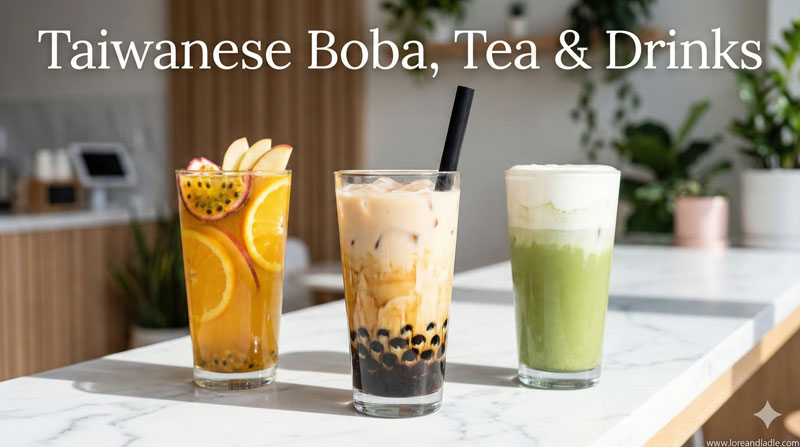
The pleasures of this dish arise from a blend of senses. The aroma of freshly brewed tea welcomes the drinker. The first sip reveals a harmonious balance between tea and milk. The pearls deliver a playful bite, a tiny, chewy moment that contrasts with the smooth liquid. Vivid colors—from amber tea to dark pearls or vibrant fruit teas—invite visual anticipation as well. This combination makes each cup an invitation to slow down, savor, and share with others. The beauty is in the simplicity of a few core ingredients elevated by technique and care.
A Meeting Point in America
In American cities, this dish has become a social staple. Cafés and dessert shops offer customized options, letting people adjust sweetness, ice level, and add-ons. This flexibility makes the drink accessible to a wide audience, from curious first-timers to devoted enthusiasts. The dish serves as a bridge between cultures: it introduces Taiwanese tea craft to new audiences while allowing locals to contribute their own twists. This collaborative spirit highlights the dish’s culinary significance as a living tradition—one that evolves while preserving core methods and flavors.
Pairings and Rituals
To enhance the experience, many enjoy this drink with light snacks that complement texture and flavor. Classic pairings include fried dough sticks (youtiao), sesame balls, or delicate pastries that echo the tea’s sweetness and creaminess. The pairing encourages mindful tasting, letting each bite and sip reveal balance and contrast. Rituals around order customization—choosing tea type, sweetness, and toppings—bring a small ceremony to everyday life, making the moment memorable without fuss.
How to Enjoy Mindfully
Approach this dish with curiosity and patience. Try a straightforward black milk tea first, focusing on the tea’s aroma and the pearls’ chew. Then explore variations—green tea versions for a refreshing lift or fruity infusions for a bright counterpoint. Notice how texture and flavor interplay, and how the drink adapts to different settings, from quiet study sessions to lively gatherings. This mindful approach honors the craft and deepens appreciation for the dish’s cultural richness.
Closing Thoughts
“Best Taiwanese Boba And Tea Drinks Dishes for Taiwanese Food Lovers in America” is more than a menu item. It’s a celebration of tea artistry, texture, and social connection. It invites us to slow down, enjoy precise technique, and share a simple pleasure with friends and family. In America, it stands as a delightful testament to how Taiwanese flavors can enrich local food culture through warmth, craftsmanship, and a joyful sense of community.