
Introduction: A Warm Welcome to the Best Taiwanese Boba And Tea Drinks Recipes to Brighten Up Your Weeknights
If your weeknights feel long, there is a comforting ritual that can brighten them. The Best Taiwanese Boba And Tea Drinks Recipes to Brighten Up Your Weeknights invites you into a world where tea meets texture, craft meets ease, and small cups carry big moments. This collection highlights how a simple drink can become a cultural touchstone, a moment of calm after a busy day, and a bridge between tradition and home creativity. By focusing on cultural value and culinary significance, we explore how boba drinks place tea at the center of daily life, celebrations, and everyday refreshment. You will discover why these drinks matter beyond taste and how they shape a shared sense of place, flavor, and delight.
A Snapshot of Taiwanese Tea Culture
Taiwan has long celebrated tea as a daily art. In bustling streets and cozy shops alike, tea is more than a beverage; it is a thoughtful craft. The process honors careful sourcing, precise steeping, and attentive serving. People savor the aroma, watch the color deepen, and feel the warmth in every sip. Boba drinks add a playful, textural layer to this refined ritual. The tapioca pearls bring a chew that contrasts beautifully with the smooth tea. Together, they create a balance of patience and spontaneity. This balance shows up in homes as well, where families improvise with favorite flavors while keeping the core idea: tea as a comforting, reliable companion.
The Heart of the Drink: Pearls, Tea, and Cream
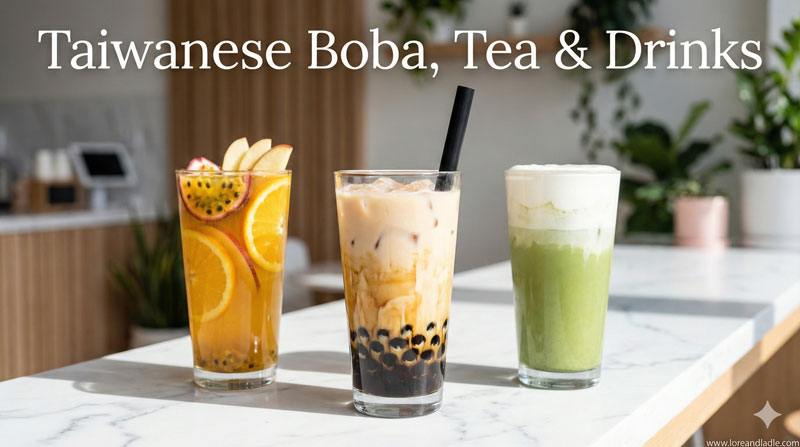
At the center of these drinks are three elements that work in harmony. First, the tea provides character. It can be robust black tea, fragrant green tea, or a fragrant oolong. Each choice sets a tone for sweetness and aroma. Next, the pearls offer texture. They are small, chewy spheres that burst with a gentle starchiness. They invite the tongue to pause, then resume with a playful chew. Finally, the milk or non-dairy cream creates creaminess and roundness. This trio—tea, pearls, and cream—forms a culinary signature that travels well from street-side stalls to home kitchens. The result is a drink that feels both comforting and exciting, a small cup that signals attention to flavor and craft.
Flavor Journeys: Classic and Contemporary Profiles
The classic milk tea profile remains dear: strong tea, a touch of dairy, and a gentle sweetness. This foundational flavor anchors the collection. Yet the beauty of these drinks lies in variation. Brown sugar adds a caramel depth that feels cozy on cooler nights. Taro and matcha introduce earthy notes and a gentle sweetness that feels almost celebratory. Fresh fruit flavors bring brightness and a sunny mood, perfect for weeknights when you want something uplifting. Each version respects the core structure, while inviting customization. The range demonstrates how a single concept can support many personalities and moods, all without losing its sense of place.
Craft and Craftsmanship: Tea Masters and Home Criters
In Taiwan and in homes abroad, skill shapes every cup. Tea masters select leaves with care, time the steep just so, and balance bitter and sweet notes. They understand how the tea’s backbone supports the entire drink. In households, Home Cooks become improvisers, translating shop techniques into practical steps. The result is a warm, inclusive culinary practice that welcomes experimentation. This blend of professional precision and everyday creativity is the essence of the culinary significance here. It shows respect for tradition while inviting fresh perspectives that keep the flavor alive and evolving.
The Social Light: Tea Shops as Daily Micro-Scenes
Tea shops are social hubs where schedules slow down for a moment. People order their drinks, chat with friends, and watch new flavor ideas take shape. The ritual of choosing a sweetness level, ice amount, and tea base creates a small ceremony. In many neighborhoods, you can hear the gentle clink of cups and the soft whirr of the ice machine. These moments become shared memories, little scenes that knit a community around warmth, aroma, and conversation. The Best Taiwanese Boba And Tea Drinks Recipes to Brighten Up Your Weeknights honors this social function by acknowledging how a drink can be a friendly anchor at the end of a busy day.
Weeknight Brighteners: Quick, Flavorful Plans for After-Dusk
Adapting this tradition for weeknights means keeping things simple yet soulful. First, plan a quick tea base. Brew a strong, clean tea and set it aside to cool slightly. Next, prepare pearls in advance or choose ready-made pearls that you can heat briefly. Then, mix in milk or a dairy-free alternative and a touch of sweetness to taste. Finally, combine with the tea and pearls, and give it a gentle stir. The beauty of this approach is that you can finish a batch in minutes, yet each cup retains a sense of care. As you sip, you feel the day winding down, and you sense a small celebration in your routine. The result is not just a drink; it is a moment of calm and a spark of joy.
The Culinary Significance: Texture, Balance, and Personalization
Texture matters as much as taste here. The chew of pearls contrasts with the smooth tea, creating a multi-sensory experience. Balance is achieved when sweetness and bitterness align, when creaminess rounds the edges without overpowering the tea’s character. Personalization reinforces respect for the drink’s roots while allowing it to fit modern life. You can adjust sweetness, ice, and flavor to reflect your mood and daily rhythm. This flexibility makes the drinks accessible to a wide range of eaters and cooks, expanding their cultural reach while staying true to their origins. The culinary significance, then, lies in texture harmony, flavor balance, and the gentle invitation to savor a moment with care.
Home Kitchen Adaptations: Bringing the Culture Home
Translating a tea-and-pearl concept into a home kitchen is a joyful exercise in technique and taste. Begin with quality tea as the backbone. Choose pearls that suit your preferred texture. Then, decide on a creamy element that suits your dietary needs. Finally, experiment with flavor accents—vanilla, cocoa, toasted sesame, or fruit essences—that echo regional tastes or personal favorites. The process honors tradition by using core components while inviting personal expression. In doing so, you create a bridge from street-side enjoyment to personal rituals, ensuring that the culture remains active in your everyday life.
A Gentle Guide to Seasonal and Regional Variations
Seasonality adds flavor depth. In cooler months, warm spices or brown sugar can add comforting notes. In warmer months, fruity accents bring brightness and freshness. Regional preferences can inform tea choices, allowing a local twist without losing core identity. This adaptability highlights a strength of Taiwanese boba drinks: they welcome variation while preserving a shared language of taste and texture. By embracing both consistency and change, the drinks become a living tradition that can travel across kitchens and neighborhoods while retaining their cultural heart.
A Respectful Conclusion: Celebrating the Beauty of the Dish
The Best Taiwanese Boba And Tea Drinks Recipes to Brighten Up Your Weeknights stands as a celebration of flavor, texture, and cultural craft. It invites readers to honor the careful steps that transform tea into a comforting ritual and to recognize how small moments can carry large significance. In every cup, there is a nod to tradition, a wink to innovation, and a promise of warmth for the evenings ahead. This collection invites curiosity, patience, and joy. It shows that food culture thrives when people slow down enough to notice the details—the aroma of tea, the springy bite of pearls, and the way a cup can brighten a whole week. Enjoy the journey, and savor the beauty of Taiwanese tea culture in your own kitchen.