
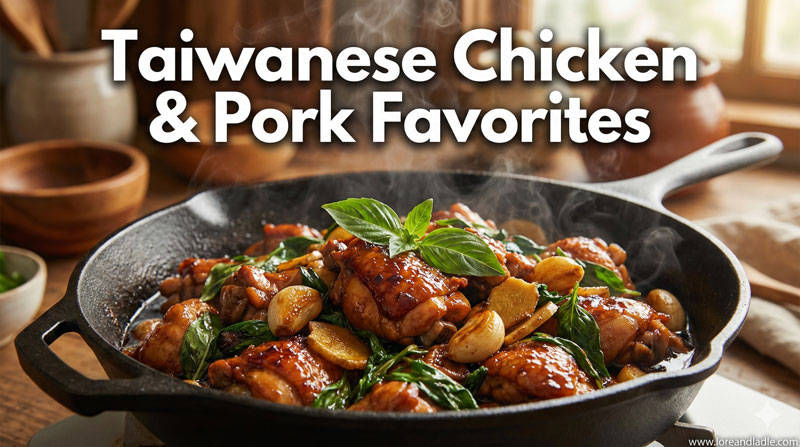
Best Taiwanese Chicken And Pork Favorites Favorites for New Home Cooks in the U.S.
This post invites you to explore Best Taiwanese Chicken And Pork Favorites Favorites for New Home Cooks in the U.S. as a dish that honors shared meals and everyday elegance. It shines in home kitchens with its balance of aroma, color, and comforting textures. The dish welcomes both new cooks and seasoned tasters, inviting them to slow down, savor, and learn from each flavorful note. In Taiwanese cooking, such dishes often express hospitality, careful technique, and a love for seasonal ingredients. This post highlights those values, focusing on cultural and culinary significance.
The Heart of the Dish: Cultural Value
In Taiwan’s culinary imagination, chicken and pork are everyday heroes. They appear in family meals, festival gatherings, and weekend cooking alike. This particular favorite embodies that spirit by emphasizing warmth, generosity, and attentiveness to flavor. The dish is built to Share, with a glossy sauce that coats meat evenly and invites spoonfuls of rice to linger on the plate. Its cultural value lies in how it teaches beginners to read a recipe as a conversation: you taste, adjust, and respect the balance between sweetness, salt, and savoriness. The result is a meal that feels familiar yet bright, inviting cooks to bring a piece of Taiwanese home cooking into a U.S. kitchen with confidence and care.
Core Ingredients and Their Significance
Core ingredients tell a concise story. Tender chicken and succulent pork provide a comforting backbone. Soy sauce and a touch of sugar create a harmonious sweet-salty glaze that characterizes many Taiwanese favorites. Garlic and ginger lend warmth and perfume, while sesame oil adds a toasty finish. Aromatics such as star anise or five-spice evoke depth without heaviness. A splash of rice wine or a mild cooking wine brightens the sauce and helps the meat stay tender. Together, these ingredients form a pantry-friendly palette that teaches how a small set of flavors can yield a dish with broad appeal and precise vitality.
Techniques That Elevate Flavor
Technique matters as much as ingredients. Marinating briefly in a soy-based mixture allows the meat to capture depth without overpowering its natural juices. Slow braising or gentle simmering helps the pork become melt-in-your-mouth tender while the chicken stays juicy. A final reduction in the sauce provides a glossy coat that clings to each bite. These steps honor the balance that Taiwanese cooks value: patience, steady heat, and careful reduction. The technique also supports kitchen beginners by offering predictable milestones—marinate, simmer, simmer, glaze—so confidence grows with each attempt.
Texture and Flavor Palette
The dish delivers a comforting contrast: tender meat with a lacquered sauce, and a coating that offers a soft snap when you bite through. The texture pairing is deliberate. Juicy meat meets a silky sauce, then rests on a bed of rice to absorb the sweet-salty glaze. Aromatics produce brightness without harshness, while sesame oil provides a lingering toasty aroma. This combination creates a mouthfeel that is both familiar and enlightening, underscoring how Taiwanese cooking often achieves depth through thoughtful texture and glaze.
Cultural Value in Taiwanese Cuisine
Taiwanese cuisine prizes balance, seasonality, and the artful use of pantry staples. This dish embodies hospitality, inviting cooks to share a flavorful meal with friends and family. It demonstrates how a few well-chosen ingredients can carry a dish from everyday supper to a memorable moment around the table. The preparation encourages mindful cooking—washing, slicing, and tasting as you go—so the cook grows more confident, capable, and connected to the food. In this way, the dish becomes a bridge between home kitchen tradition and the evolving tastes of a new cooking space, while staying true to its roots.
Practical Guidance for New Home Cooks in the U.S.
For cooks in the United States, accessibility is a strength. Common supermarket ingredients adapt easily: chicken thighs or breasts, pork shoulder or loin, soy sauce, garlic, ginger, sugar, and sesame oil are widely available. If five-spice or star anise is hard to find, substitutes like ground cinnamon with a pinch of cloves can evoke a similar warmth, though the flavor will be a touch different. Use fresh garlic and ginger for the brightest aroma, then adjust sweetness with sugar or honey to taste. A gentle simmer helps to maintain juiciness and prevents drying. Finally, finish with a light glaze to achieve that iconic glossy appearance that invites another bite.
Serving Ideas and Everyday Pairings
Serve this dish with steamed white rice or brown rice to soak up the sauce. Fresh vegetables—steamed bok choy, sautéed greens, or crisp cucumber toss—provide balance and color. A simple side of pickled vegetables adds a bright contrast that highlights the dish’s sweet-salty notes. For a complete meal, add a light broth or clear soup as a starter. Each plate should show care and balance, reinforcing the sense that cooking is a generous, uplifting practice.
Finale: A Dish for Practice, Pride, and Joy
Best Taiwanese Chicken And Pork Favorites Favorites for New Home Cooks in the U.S. is more than a recipe. It is a celebration of technique, flavor, and community around the table. It invites new home cooks to grow in confidence, to honor simple ingredients, and to experience the beauty of Taiwanese-inspired cooking in a warm, welcoming kitchen. As you practice, you’ll discover how steady timing, thoughtful seasoning, and attention to texture can turn a modest home meal into something special—and something you’ll want to share again and again.