
Introduction
This guide, Best Taiwanese Desserts And Sweet Treats Ideas for New Home Cooks in the U.S., opens a door to gentle textures, bright flavors, and careful technique. It highlights how dessert traditions can elevate daily meals. The aim is to celebrate flavor, craft, and shared moments around a bowl or a cup. Expect ideas that are welcoming to new cooks and respectful of Taiwan’s sweet traditions.
A window into Taiwanese dessert culture
Taiwanese desserts honor balance. The best treats blend creamy textures with fresh or toasted notes. They value seasonal fruit, fragrant beans, and soft, chewy bites. In every bite, you’ll feel a quiet precision: careful simmering, measured sweetness, and thoughtful toppings. Desserts here invite slow tasting, mindful scooping, and a sense of calm after a meal or a tea break. They also show how small rituals—pouring a syrup, dusting sesame, arranging toppings—create a feast for the eyes as well as the palate.
Core textures and ingredients you’ll meet
Key ingredients include soy milk and coconut milk for silkiness; red beans and mung beans for gentle sweetness; taro and sweet potato for earthy, creamy bites. Glutinous rice flour and traditional rice flour give chewiness and structure. Pearly tapioca pearls or sago bring bounce. Sesame and peanut pastes add depth, while fresh mango, coconut milk, and citrus zest brighten flavors. The common thread is a mix of smooth, chewy, and crisp textures, all balanced with a light, approachable sweetness.
Iconic desserts and their culinary significance
- Douhua (tofu pudding) — a silky, delicate base often served with a sweet syrup and toppings. It emphasizes soft textures and the everyday comfort of a simple, well-made dessert.
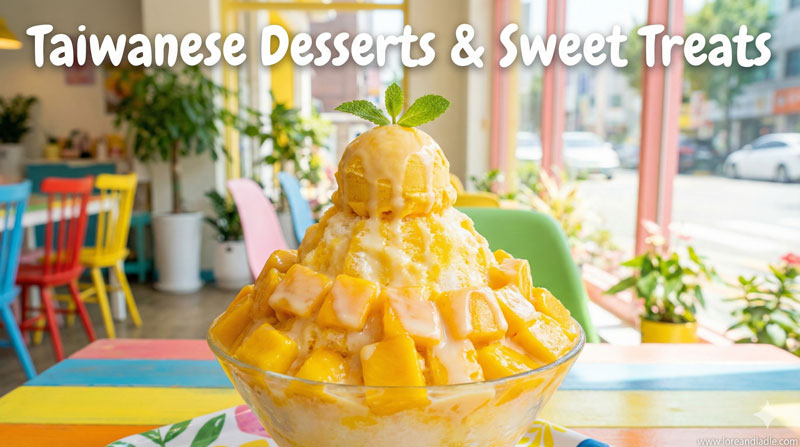
- Mango shaved ice — a refreshing crown of shaved ice, mango pieces, and a drizzle of condensed milk or syrup. It showcases seasonal fruit and the joy of bright, clean flavors in a cooling bowl.
- Grass jelly desserts — a mild, herbal jelly often paired with fruit, syrup, or milk. This dessert balances sweetness with a cool, refreshing backbone.
- Taro and red bean pairings — small, chewy taro balls or red bean fillings offer gentle sweetness wrapped in a soft bite. They highlight how texture can carry flavor without heaviness.
- Red bean soup with tiny dumplings or rice balls — a comforting, smooth soup that invites slow sipping and mindful tasting.
These treats reveal a culinary language that values texture, balance, and the beauty of simple ingredients treated with care.
Practical tips for new home cooks
- Start with one signature dessert at a time. Master the texture first, then add toppings.
- Read recipes aloud to follow steps clearly and to stay in rhythm with heat and time.
- Use timers for simmering beans and syrups to prevent overcooking.
- Taste as you go. Adjust sweetness gradually so the final flavor feels natural.
- Keep a small all-purpose pantry of sesame paste, coconut milk, and canned beans for quick builds.
How to adapt these desserts for US kitchens
- Mango and other fruits are widely available fresh or frozen. Use ripe fruit for natural sweetness.
- Canned coconut milk and soy milk work well as dairy-free options.
- Red beans and mung beans can be found in cans or bags; soak and simmer until tender.
- Tapioca pearls and sago are common in Asian markets and online. Substituting with compatible pearls is fine if you adjust cooking times.
- Glutinous rice flour and regular rice flour are both common; use the glutinous variety for chewier results when a recipe specifies it.
- Simple syrups can be made with sugar and water; add a splash of lemon or lime juice for brightness.
Serving ideas and shared moments
Taiwanese desserts shine as sharing dishes. Serve in small bowls with spoons, or in a family-style tray for a tea gathering. Pair with a light tea or a jasmine green tea to echo the dessert’s gentle sweetness. Garnish with toasted sesame, crushed peanuts, or fresh fruit for color and aroma. The act of pouring syrup or sprinkling toppings invites conversation and connection at the table.
Getting started: a simple plan for new cooks
- Day 1: Make a small batch of douhua and a light sesame syrup.
- Day 2: Prepare mango shaved ice with fresh fruit and a touch of condensed milk.
- Day 3: Try red bean soup with tiny dumplings or rice balls.
- Day 4: Explore taro balls with a grass jelly accompaniment.
Each step reinforces core techniques: gentle simmering, balancing sweetness, and presenting with tidy toppings.
Conclusion
Best Taiwanese Desserts And Sweet Treats Ideas for New Home Cooks in the U.S. invites you to honor flavor, texture, and craft. These desserts are more than sweets; they are expressions of careful technique, seasonal ingredients, and shared moments at the table. As you explore, you’ll discover how simple steps, thoughtful pairing, and a calm approach can create comforting, beautiful desserts that respect tradition while fitting your modern kitchen.