
Welcome to Best Taiwanese Desserts And Sweet Treats Dishes for New Home Cooks in the U.S.
This collection highlights the beauty and craft behind beloved Taiwanese desserts. Each dish carries a gentle sweetness, a thoughtful texture, and a story about seasonal ingredients and careful technique. For new Home Cooks in the U.S., these desserts offer approachable projects that build confidence, enrich meals, and invite shared moments with family and friends. The dishes emphasize balance—soft and chewy, silky and crunchy, cool and warm—so you can learn kitchen skills while celebrating Taiwan’s rich dessert culture.
Douhua: Silk Pudding With Gentle Sweetness and Topping Harmony
Douhua is a silky tofu pudding that feels light on the palate. Its charm lies in the contrast between the smooth base and the toppings you choose. Warm or chilled, douhua invites you to explore textures, from peanuts and red beans to sesame seeds or a drizzle of brown sugar syrup. The technique is simple: heat soy milk until steaming, thicken with a light starch, then spoon into bowls. This dessert shows how a few ingredients can yield a delicate finish that pairs beautifully with toppings. It is a favorite for comfort and a gentle introduction to Taiwanese dessert craft.
Aiyu Jelly: Clear, Refreshing, And Easy To Make
Aiyu jelly is made from seeds that create a bright, crystal-clear jelly. It cleans the palate and invites fruity or citrusy drizzles, honey, or brown sugar. The process is straightforward: soak the seeds, extract the gel, and chill until set. Serve with a splash of lime or lemon juice and a touch of sugar. Aiyu jelly lets the natural, clean flavor of the ingredient shine, making it a refreshing choice on warm days and a lovely canvas for creative toppings.
Taro Balls In Sweet Syrup: Earthy Sweetness With Chewy Texture
Taro balls are small, soft spheres made from taro root. They become wonderfully chewy and gain depth when simmered in a syrup that’s lightly sweet. In Taiwan, you’ll often find taro balls in shaved ice or in warm desserts, where their pale purple color offers a gentle contrast. Making taro balls at home teaches you how to handle starchy fillings and how to pair them with syrup for a comforting, dessert-like meal. The dish celebrates taro’s earthy sweetness and its adaptability in sweet-syrup preparations.
Pineapple Cake: A Golden Slice Of Taiwan’s Morning and Gift-Giving Traditions
Pineapple cake, a beloved Taiwanese treasure, blends a fragrant pineapple jam with a tender shortcrust. The result is a comforting, buttery slice that travels well and keeps its shape. This cake showcases balance: bright fruit filling paired with a soft, crumbly crust. For home bakers in the U.S., pineapple cake offers a friendly confidence-builder—crumbly crusts, jam centers, and careful timing. Beyond taste, it embodies sharing and hospitality, often given as a thoughtful gift or enjoyed as a warm afternoon treat.
Mango Shaved Ice: A Bright, Creamy, Fruit-Forward Favorite
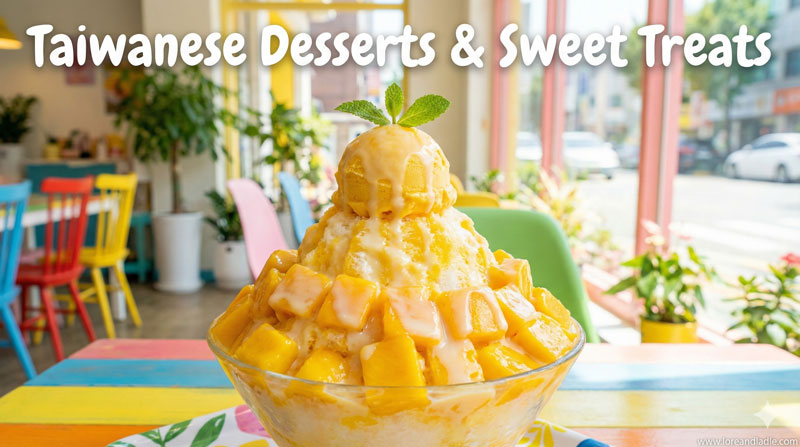
Mango shaved ice is a summer staple that bursts with tropical color and fragrance. A bed of finely shaved ice forms a snowy base, layered with ripe mango chunks and a drizzle of sweetened condensed milk or a light syrup. Some versions include chewy sago pearls or soft taro cubes for texture play. The dish embodies brightness, balance, and the joy of combining fruit with a gentle dairy note. It’s a celebration of mango season, skillful ice shaving, and the delight of sharing a generous bowl with friends and family.
Baobing: Shaved Ice With Toppings For All Seasons
Baobing, or shaved ice with assorted toppings, invites personal imagination. You begin with a fluffy bed of shaved ice, then add toppings such as red bean paste, grass jelly, fresh fruit, mochi cubes, or condensed milk. The technique centers on achieving light, fluffy ice and a harmonious mix of textures and flavors. Baobing is a versatile stage for home cooks to learn how to balance sweetness, fruit acidity, and the subtle richness of creamy toppings. It also highlights how a simple dessert can adapt to seasonal ingredients.
Red Bean Delights: Red Bean Soup And Chewy Rice Balls
Red bean soups and chewy rice balls offer warm, comforting flavors. Red beans bring gentle sweetness, while small glutinous rice balls introduce a chewy bite. This pairing creates a soothing dessert soup that’s easy to enjoy after a meal. It emphasizes the traditional use of legumes and starches to craft comforting textures and familiar flavors that feel both exotic and homey at once.
Techniques And Tools That Help New Home Cooks Succeed
- Gentle simmering and thickening: Many Taiwanese desserts rely on soft, silky textures. A light hand with heat preserves silkiness and prevents lumpiness.
- Texture layering: Chewy taro balls, silky puddings, and crunchy toppings create dynamic mouthfeel. Don’t be afraid to experiment with contrasts.
- Toppings as storytelling: Choose toppings to echo seasonal fruit, nutty notes, or a preferred sweetness level. Toppings finish the dish with personality.
- Easy substitutions: For plant-based desserts, many ingredients can be swapped without losing core flavor and texture.
Sourcing Ingredients In The U.S. And Simple Substitutions
- Common items ship well: agar-agar, cornstarch, dried red beans, taro powder, and shaved ice equipment.” If you don’t have a dedicated ice shaver, a high-quality blender can approximate shaved ice texture for some recipes.
- Fresh fruit options: mangoes and pineapples are widely available in many U.S. markets; choose ripe fruit for the best natural sweetness.
- Sugar choices: brown sugar and white sugar are both common. For deeper caramel notes, brown sugar is a good choice; for a lighter sweetness, white sugar works well.
- Substitutions: if a recipe calls for grass jelly or taro paste and you can’t find them, you can experiment with other soft jellies, fruit cubes, or mochi pieces to maintain texture variety.
The Cultural Value And Culinary Significance
These desserts showcase Taiwan’s love for balance, seasonality, and community. They reveal how basic ingredients—soy milk, seeds, fruit, sugar, and little starch—can be transformed into comforting desserts that feel both intimate and festive. They encourage home cooks to celebrate texture as a central element, to layer flavors thoughtfully, and to share the final plate with others. The dishes offer a bridge between simple home cooking and a wider dessert culture, inviting experimentation while honoring tradition. In that spirit, the collection invites new home cooks to savor cultural flavors, build confidence, and create sweet memories around the kitchen table.
Final Thoughts: Embracing Taiwanese Desserts In Your U.S. Kitchen
The Best Taiwanese Desserts And Sweet Treats Dishes for New Home Cooks in the U.S. remind us that dessert is more than sweetness. It is a way to tell a story with texture, color, and aroma. It is an invitation to slow down, to observe ingredients, and to enjoy a shared moment. Whether you are crafting a silky douhua, a refreshing aiyu jelly, or a mango shaved ice bowl, you are participating in a long tradition of careful preparation and joyful presentation. Welcome this journey, enjoy the process, and savor the beauty these desserts bring to your table.