
Best Taiwanese Desserts And Sweet Treats Ideas for Your Next At-Home Feast
Taiwan’s dessert scene offers a gentle balance of textures, flavors, and seasonal ingredients. This collection highlights the cultural value and culinary significance of beloved sweets you can enjoy at Home. Each bite tells a story of farmers, markets, and everyday hospitality. With these ideas, your at-home feast becomes a celebration of craft, flavor, and shared moments.
Cultural Value and Craft Behind Taiwanese Desserts
Taiwanese desserts grow from kitchens, street stalls, and tea houses. They honor local fruits, beans, grains, and dairy, while embracing creative twists. The best desserts invite social moments—family gatherings, friendly chats, and tea breaks. Texture matters as much as taste: silky puddings, chewy rice balls, and crisp toppings create balance. These sweets connect people to seasons, harvests, and memory. By presenting them at home, you invite guests to experience a gentle cultural arc—one that blends tradition with everyday joy.
Signature Desserts and Their Culinary Significance
-
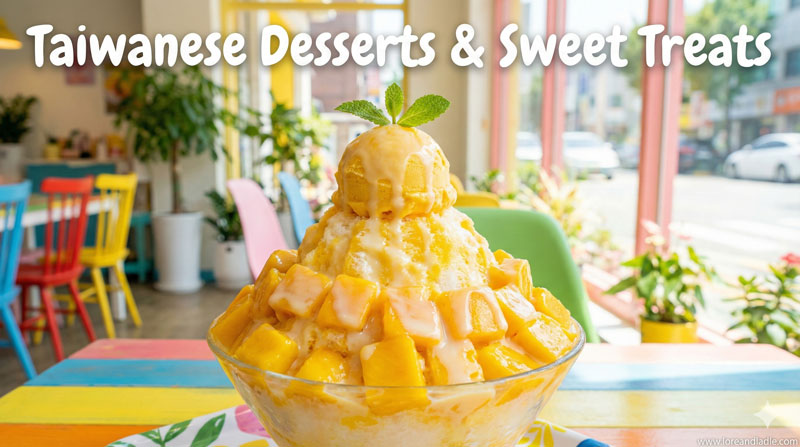
Baobing (Shaved Ice): A cool tribute to warm days. Shaved ice becomes a canvas for toppings like ripe mango, taro, red bean, jelly, and condensed milk. The dessert mirrors Taiwan’s love of fresh fruit and layered texture, offering relief and delight in every bite.
-
Douhua (Tofu Pudding): A smooth, delicate pudding made from soy. Sweet syrups, peanuts, or red beans crown this dish. Douhua showcases how soy can become a comforting, versatile dessert with clean flavors and a soothing mouthfeel.
-
Aiyu Jelly: This jelly, derived from seeds of a fig-like fruit, slides softly on the tongue. It is often served with a squeeze of lemon or lime and a touch of syrup. Aiyu jelly highlights Taiwan’s fruit heritage and its skill in turning simple ingredients into bright, refreshing bites.
-
Tangyuan (Glutinous Rice Balls) in Sweet Syrup: Tiny rice balls drift in ginger or palm-sugar syrup. Tangyuan embodies warmth, togetherness, and gentle sweetness. Their soft chew and fragrant broth invite sharing and conversation.
-
Taro and Sweet Potato Balls: Chewy, gently sweet morsels that pair well with syrups or milky toppings. They celebrate staple crops and the comfort of familiar flavors tucked into a playful bite.
-
Grass Jelly with Syrup or Pearls: A cooling, light option that balances sweetness with herbal notes. Its deep, dark hue and smooth texture make it a refreshing contrast to fruitier items.
-
Mango Sago or Mango Shaved Ice: Lush mango meets tiny pearls and a creamy finish. This combination shines during mango season and showcases Taiwan’s appreciation for tropical fruit sweetness.
-
Sesame and Red Bean Delights (Sesame Balls, Red Bean Paste Desserts): Toasted sesame and sweet red bean paste bring toasty, earthy notes that complement delicate doughs and soft textures. They honor traditional fillings while remaining approachable for home cooks.
-
Pineapple Cake (Taiwanese Pineapple Pastry): A crumbly, fragrant pastry that travels well from kitchen to table. Its presence signals craftsmanship in pastry making and a cultural affinity for bright, cheerful flavors.
These desserts reveal a culture that values balance, seasonality, and sharing. Each item has a place at the table, whether as a standalone treat or as part of a larger set.
Techniques and Ingredients That Shape These Desserts
- Core ingredients: glutinous rice, taro, sweet potato, mung beans, red beans, lotus seeds, aiyu seeds, tapioca pearls, gelatin or agar-agar, coconut milk, and brown or palm sugar. Fresh fruit, like mango, adds brightness.
- Key techniques: soaking beans until tender, simmering thick syrups, steaming puddings, and pulverizing ingredients into smooth pastes. Shaving ice precisely creates a light, fluffy base for Baobing. Rolling and frying doughs yield crisp outer textures with soft centers for sesame balls and similar treats.
- Texture layering: chefs often combine silky puddings with chewy pearls, crunchy nuts, and smooth syrups. This contrast is central to the dessert experience.
- Presentation matters: piping delicate fillings, arranging toppings symmetrically, and serving in clear bowls or small cups enhances visual appeal and invites exploration.
At-Home Feast Setup: Presentation, Pairings, and Experience
- Create a multi-station setup: a Shaved Ice Bar, a Sweet Soup Cup Station, and a Dumpling-and-dilling display. Guests can customize their bowls, tapping into interactive dining.
- Pair with tea: oolong, jasmine, or green tea complements the sweetness and cleanses the palate between bites.
- Use clear cups for layered drinks and puddings to highlight color and texture.
- Offer toppings and garnishes: condensed milk, crushed peanuts, sesame seeds, fresh fruit, coconut milk, and light syrups. Small spoons and tasting spoons encourage gentle sampling.
- Use seasonal fruits to highlight freshness. For example, mango in summer or lychee in warmer months brings brightness to the桌.
Seasonal Highlights and Pairings for Your Menu
- Spring and early summer: focus on fresh mango, lychee, and delicate jellies. Pair with green tea or jasmine tea.
- Summer: emphasize Baobing with fruit toppings and light syrups. The cool dessert helps balance heat with refreshing flavors.
- Autumn and winter: feature warm tangyuan and red bean desserts in gentle syrups. A cup of warm tea makes the experience cozy.
Why These Dishes Fit an At-Home Feast
- They invite sharing. Many items come in portions or cups that encourage conversation and sampling.
- They celebrate local ingredients. Seasonal fruits, beans, and grains anchor the menu in Taiwan’s agricultural rhythm.
- They honor texture and balance. The mix of soft, chewy, and crunchy elements creates a satisfying tasting journey.
- They are approachable for cooks of all levels. With simple steps and versatile toppings, you can craft a memorable display without complexity.
Quick Tips for Crafting an Authentic Experience
- Plan a tasting flow: begin with lighter, refreshing items and move toward deeper, richer flavors.
- Prepare components in advance: syrups, toppings, and puddings can be made ahead and assembled at serving time.
- Keep portions small. A little of each item goes a long way and maintains variety without overload.
- Respect dietary preferences by offering dairy-free or vegan options where possible, such as coconut milk or nut milks.
Final Thoughts: The Beauty of Taiwanese Desserts in Your Home
This collection of Best Taiwanese Desserts And Sweet Treats Ideas for Your Next At-Home Feast invites you to savor culture through cooking. Each dessert echoes seasonal harvests, regional flavors, and a tradition of hospitality. By bringing these sweets to your table, you celebrate craftsmanship, community, and the gentle joy of sharing a delicious moment with others. Enjoy the process, cherish the flavors, and let Taiwan’s dessert heritage enrich your next at-home gathering.