
Discovering Best Taiwanese Desserts And Sweet Treats Favorites That Bring Taiwan’s Flavors to Your Kitchen
This collection invites you to savor Taiwan’s dessert landscape through textures, colors, and memories. The dish’s name—Best Taiwanese Desserts And Sweet Treats Favorites That Bring Taiwan’s Flavors to Your Kitchen—speaks to a family of treasures. Each bite carries a sense of place, craftsmanship, and care. In Taiwan, desserts are more than sweetness; they are a shared ritual, a moment of connection after a meal, and a celebration of local ingredients.
A curated lineup of beloved Taiwanese sweets
- Aiyu Jelly with honey or lemon: A refreshing jelly made from fig seeds, served chilled. It is light, bright, and naturally sweet, offering a cool contrast on warm days.
- Douhua (tofu pudding) with sweet syrup: Silky, delicate tofu curd paired with brown sugar or ginger syrup. This dish balances softness with a gentle, comforting sweetness.
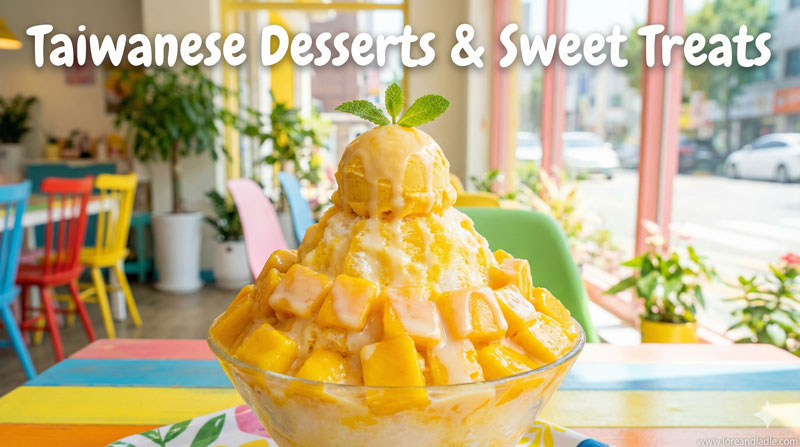
- Mango Shaved Ice: Finely shaved ice crowned with ripe mango and a drizzle of milk or syrup. The result is bright, fruity, and sunlit in flavor.
- Taro and Mung Bean Desserts: Chewy taro pearls or mung bean desserts bring earthiness and a satisfying texture to the bowl.
- Pineapple Cake and other tea-time pastries: Flaky, golden pastries filled with tangy pineapple jam. They invite tea-time conversations and gifts from local bakers.
- Grass Jelly with herbal tea or fruit syrups: Dark jelly slices float in a lightly sweet liquid. This dessert feels cooling, herbal, and gently layered.
- Sesame and Red Bean Treats: Toasted sesame accents or smooth red bean paste create a harmonious sweetness with a nutty finish.
- Sweet Potato Balls in Almond Milk: A comforting combination of soft, starch-rich bites and a silky, nutty finish.
Each item in this lineup showcases core values of Taiwanese dessert culture: balance, accessibility, seasonality, and shared pleasure. They are designed to be approachable in home kitchens while retaining a sense of craft found in street stalls and family tables.
Cultural value: where tradition meets daily life
In Taiwan, desserts are woven into daily routines and festive moments alike. Street markets buzz with vendors who turn local harvests into quick, satisfying treats. Families gather after meals to explore a tray of textures—silky tofu, chewy taro, icy mango, and smooth jelly. These desserts encourage conversation and lighthearted joy, turning ordinary evenings into small, ritualized celebrations.
Local ingredients guide the calendar. Aiyu jelly appears in late spring and early summer, when figs are abundant. Mango shaved ice becomes a summer symbol, bright and refreshing after hot days. Pineapple cake marks tea breaks and gifts, reflecting times of hospitality and sharing. The interplay of fruit, seed, and herb flavors reveals a culture that values variety and balance. The result is a culinary language that welcomes both simple comfort and refined technique.
Culinary significance: texture, balance, and technique
Taiwanese desserts excel at texture contrasts. Silky tofu pudding meets chewy balls; smooth grass jelly sits against crisp pastry; icy shards mingle with creamy syrups. Chewiness, creaminess, coolness, and sweetness are balanced to create a harmonious bite. Techniques range from careful soaking and simmering to precise chilling. Local ingredients—taros, mung beans, sesame, and tropical fruits—provide both flavor and function. The cuisine celebrates small methods that, together, deliver memorable experiences.
These desserts also highlight how warmth and refreshment can coexist in one dish. A hot afternoon yields a bowl of refreshing aiyu jelly, while a cooler evening invites a cup of tea alongside a soft, comforting douhua. The culinary significance lies in teaching the palate to savor contrasts and to find satisfaction in both the simple and the elegant.
Bringing Taiwan’s flavors into your kitchen
You can explore these flavors at Home with a few practical steps. Start with ready-made dessert mixes for easy access to authentic textures. Look for good-quality tofu pudding kits or grass jelly blocks in Asian grocery aisles. For fresh flavors, use ripe mangoes, seasonal taro, and sweet beans. If an ingredient is hard to find, substitute thoughtfully: ripe peaches or canned pineapple can stand in for some fruit components; agar-agar can replace gelatin for jellies.
Use simple equipment: a small saucepan for syrup, a blender or masher for smooth textures, and a shallow dish for chilling. Allow gentle simmering to coax sweetness without overpowering the ingredient’s natural flavor. Chill times matter for desserts like jelly and shaved ice; plan your prep to let the textures set properly. Finally, pair these sweets with tea—green, oolong, or black—to echo Taiwan’s tea culture and complete the tasting experience.
A note on serving and sharing
Serving these desserts with care enhances their cultural value. Present bowls with an eye for contrast: light and dark, soft and firm, crisp and smooth. Small bowls and spoons invite shared bites, reminding us that desserts are a communal joy. When friends or family gather, a tray of these options becomes a bridge between moments and memories, a way to honor craft and hospitality.
Conclusion: celebrating Taiwan’s dessert heritage
Best Taiwanese Desserts And Sweet Treats Favorites That Bring Taiwan’s Flavors to Your Kitchen offers a window into Taiwan’s dessert culture. It honors the artistry of simple ingredients, the joy of shared meals, and the creativity that cooks bring to the stove and the street. By exploring these treats at home, you connect with a tradition that values balance, texture, and care. Enjoy the flavors, honor the craft, and keep the culture alive in your kitchen.