
Welcome to Taiwan in Your Kitchen
Today we explore the dish Best Taiwanese Dumplings, Buns And Small Bites Recipes That Bring Taiwan’s Flavors to Your Kitchen. This collection celebrates a living culture found in steam, sizzle, and scent. It invites Home Cooks to experience Taiwan’s culinary spirit with every wrapper, filling, and bite. The focus is on culture and craft, not on trends alone. The result is a warm, inviting table that honors shared meals and careful technique.
The Heart of Taiwan: Dumplings
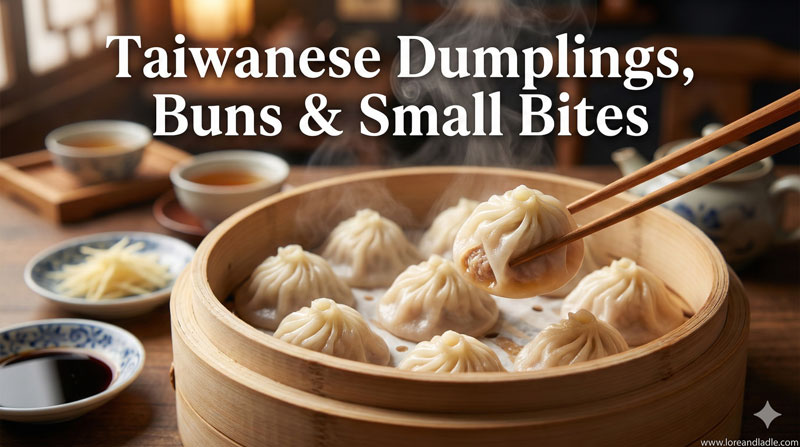
Dumplings are a beloved language in Taiwan. They speak of family, seasonality, and the art of balance. The wrappers whisper with just the right bite, while the fillings glow with flavor. Pork with ginger, napa cabbage, and scallions shows a harmony of savor and freshness. Shrimp with garlic chives offers a lighter brightness. Steamed dumplings feel tender and elegant, while pan-fried dumplings bring a crisp, caramelized edge. Each dumpling teaches a lesson in patience and precision, from mixing the filling to pleating the edge. In this collection, dumplings are more than food; they are a doorway to memory, craft, and shared meals that define Taiwan’s table.
Bao and Buns: Soft Carriers of Flavor
Buns in Taiwanese meals act as soft vessels that cradle bold fillings. The gua bao, a fluffy folded bun, holds slow-braised pork, pickled mustard greens, and crushed peanuts. Each bite combines tenderness, crunch, and salty-sweet contrasts. These buns reveal a philosophy of balance: comfort in the softness of dough, brightness in the pickles, and zing in the peanuts. Beyond gua bao, other steamed buns carry greens, sesame, or fragrant pork. The craft lies in a hydration-forward dough, gentle steaming, and careful folding. When you make these buns at Home, you reproduce a cultural ritual of care and hospitality. The result is a comforting centerpiece that anchors shared meals around a table.
Small Bites: Street Snacks and Social Eating
Small bites in Taiwan tell stories of street markets, night markets, and casual gatherings. They are designed for sharing and conversation. Think of bite-sized dumplings cooked just right, delicate pastry bites with savory fillings, and warm snacks that invite dipping and tasting. These small bites emphasize texture — the crackle of a fried edge, the silk of a steamed wrapper, the pop of a brined cucumber. They showcase Taiwan’s dual love of bold flavors and refined balance. The culture here is social: people gather, taste, and discover new favorites together, often paired with tea or a light broth. In the recipes, you’ll sense the cheerful rhythm of hands at work, a family kitchen learning from tradition, and a community table welcoming everyone to try.
From Market to Table: Fresh Ingredients and Techniques
Taiwan’s flavors come alive when ingredients arrive fresh from markets. Crunchy napa cabbage, fragrant scallions, ginger, garlic, and sesame offer aroma and brightness. Soy sauces, rice wine, and a touch of sugar or vinegar create depth without overpowering. The techniques are approachable yet precise: steam to preserve delicate flavors, pan-fry for texture, and gently simmer for rich fillings. The beauty of these recipes lies in their adaptability: you can adjust seasonings for your palate while preserving the core balance that characterizes Taiwanese cooking. The result is a kitchen that feels authentic, vibrant, and generous.
Regional Voices and Craft
Taiwan’s regional influences shape these dishes. Hoklo traditions bring salty-sweet pork and bright chilies, while Hakka flavors offer hearty, robust fillings and comforting wrappers. Indigenous culinary practices contribute unique herbs and textures that add depth to the fillings. This collection honors these voices by presenting recipes that can be blended or kept distinct. The culinary landscape becomes a map of places and families, with each recipe echoing a regional craft and a shared Love for good food.
Pairings, Presentation, and Serving
Serving these dishes thoughtfully enhances their cultural value. A simple plate of steamed dumplings shines with a dip of soy sauce, vinegar, and a hint of chili oil. A gua bao sings with a drizzle of sesame oil and pickles that cut through richness. Tea or light broth complements the flavors without competing with them. The presentation—careful folding, neat pleats, and a clean plate—reflects the respect Taiwanese cooks bring to every meal. The experience is not only about taste; it is about the moment of sharing and the joy of presenting well-made food.
Practical Tips for Home Cooks
- Start with a reliable dough: use a smooth, pliable dough that tears easily but holds its shape. Let it rest so gluten relaxes.
- Balance fillings: pork, greens, and ginger create savory depth; adjust salt and sweetness to taste.
- Master a few techniques: steam for tenderness, pan-fry for a crisp edge, and boil for dumplings in broth.
- Keep fillings cool: chilled fillings stay juicier and wrap more neatly.
- Taste as you go: small adjustments build authenticity without overpowering delicate flavors.
- Pair thoughtfully: tea, light broths, and crisp vegetable sides complete the meal.
A Gentle Invitation to Your Kitchen
Best Taiwanese Dumplings, Buns And Small Bites Recipes That Bring Taiwan’s Flavors to Your Kitchen is more than a collection. It is a cultural invitation. It invites you to slow down, observe the craft, and enjoy the harmony of textures and tastes. Each recipe offers an approachable path to honoring Taiwan’s culinary values in your own kitchen. Welcome the aroma, celebrate the skill, and share the table. Your cooking can carry forward a rich tradition of care, teamwork, and joy in every bite.