
Introduction
The collection and idea behind Best Taiwanese Hot Pot And Family-Style Dishes Recipes for Family Dinners in America celebrate a treasured way to eat. This style centers on warmth, sharing, and attentive preparation. In every bite, you taste tradition, care, and a lively kitchen spirit. The dishes invite everyone to gather, converse, and savor textures and flavors that come alive at the table. Read on to explore the cultural value and culinary significance of this beloved meal.
The heart of Taiwanese hot pot
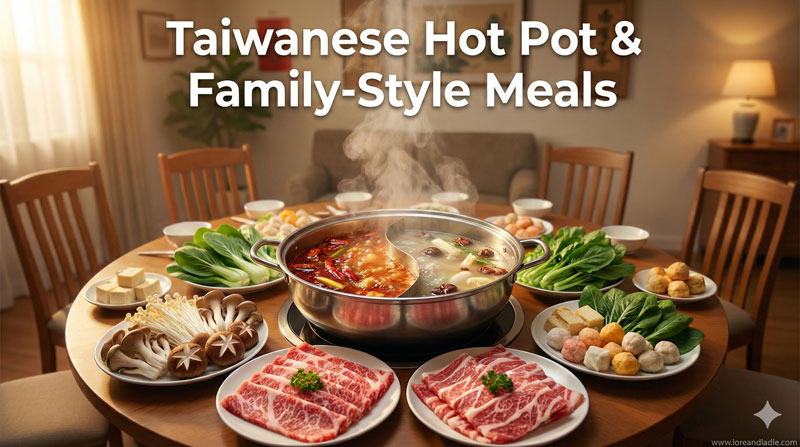
Taiwanese hot pot begins with a simmering pot and a chorus of flavors. Diners dip, cook, and savor pieces of meat, tofu, vegetables, and noodles. The pot becomes a stage for conversation and connection. The scene is welcoming, with the aroma filling the room and signaling a pause from daily pace. This meal is not rushed; it unfolds with a gentle rhythm that honors both cook and guest. The beauty lies in how a simple broth can carry stories, textures, and memories as it bubbles at the center of the table.
Core elements: broth, sauces, and ingredients
Flavors start with the broth. A clear, fragrant broth lets each ingredient shine, while a spicy or herbal broth adds depth and warmth. The broth acts as a bridge, marrying the ingredients you choose. Dipping sauces complete the experience. A touch of sesame oil, soy sauce, garlic, chilies, and vinegar lets each diner tailor a bite. Ingredients range from ultra-thin beef slices to crisp greens, silky tofu, mushrooms, and delicate seafood. Noodles and dumplings often finish the meal, soaking up the last flavors of the pot. Together, the broth, sauces, and ingredients create a balanced, dynamic symphony on the palate.
The art of sharing and pacing
A key cultural value is sharing. Food is a social ritual that honors hospitality. Slices and pieces are placed on shared boards, and everyone speaks in the same culinary language during the meal. Timing matters: add quick-cooking items first, then softer vegetables and noodles. This pacing respects texture, temperature, and the senses. The pot remains a living focal point, inviting everyone to participate, watch, and smile as the pot changes with each hand that stirs it. This is family-style dining in a form that honors togetherness.
Regional flavors and modern twists
Taiwanese hot pot embraces regional ingredients and personal creativity. Some cooks highlight herbaceous broccoli, crisp napa cabbage, or earthy mushrooms. Others emphasize seafood from nearby waters. In modern homes, cooks adapt with available produce and dietary preferences. Vegetarian or vegan broths, gluten-free options, and plant-based proteins can stand proudly beside traditional meats. The flexibility reinforces the cultural value of hospitality: meals adapt to the people around the table while preserving core flavors and techniques. The result is a living tradition that stays fresh and inviting.
Family dinners in America: a cultural bridge
In American homes, this style of dining becomes a bridge between flavors and daily life. It supports multi-generational gatherings, where grandparents, parents, and children share stories as they cook and eat. The table becomes a stage for conversation, curiosity, and learning. The social ritual of dipping, selecting, and tasting fosters patience, attention to others, and a relaxed pace. The dish also demonstrates how taste travels. Ingredients may adapt, but the joy of communal cooking remains universal. The experience elevates ordinary weeknights into meaningful family moments and helps younger cooks observe technique, balance, and timing.
Serving etiquette and kitchen dynamics
A calm, inviting approach to serving makes the meal easier and more enjoyable. Each person uses tongs or chopsticks to dip items, while a shared ladle handles the broth for refills. It is polite to offer a bite to others as a sign of hospitality and to pace the course so all can enjoy the textures at their best. Clear bowls, clean utensils, and a tidy prep area help keep the atmosphere friendly and welcoming. In this setting, everyone participates—refilling broth, replenishing sauces, and welcoming new flavors to the pot.
Variations and how to honor tradition
There is beauty in both tradition and variation. Classic additions include beef, pork, seafood, tofu, mushrooms, green vegetables, and noodles. For a modern touch, Home Cooks can introduce seasonal produce, herbs, or regional ingredients from local markets. Keeping a respectful balance between tradition and adaptation honors the dish’s roots while inviting new home cooks to engage. The core idea remains: a shared pot, thoughtful ingredients, and a flavorful, well-balanced broth.
Quick tips for home cooks
- Start with a clear, aromatic broth and build depth with a few savory aromatics.
- Prepare a simple dipping sauce set so guests can customize bites.
- Slice proteins thinly and arrange vegetables in colorful, even sets for easy cooking.
- Place tongs, chopsticks, and small bowls within easy reach for everyone.
- Let younger cooks participate, guiding them with safe handling of hot pots and utensils.
Conclusion
Best Taiwanese Hot Pot And Family-Style Dishes Recipes for Family Dinners in America offers more than a meal. It presents a cultural practice that centers warmth, sharing, and thoughtful cooking. The method invites people to slow down, savor textures, and celebrate togetherness. In American homes, these dishes become touchstones of hospitality and culinary curiosity—an inviting invitation to explore, cook, and enjoy a table rich with flavor and connection.