
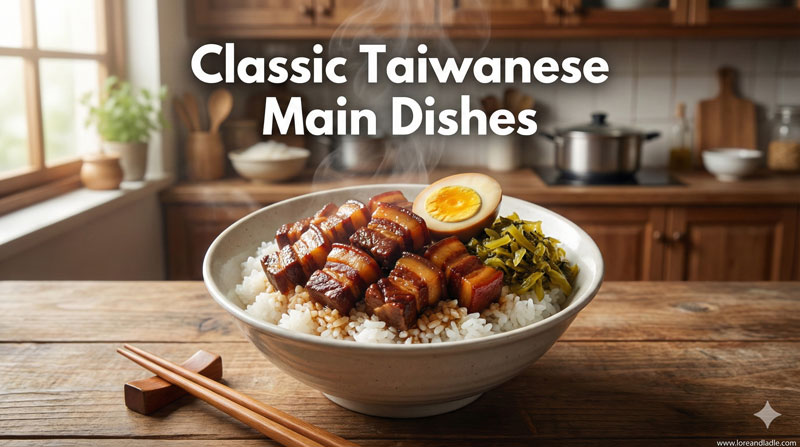
Welcome to Best Classic Taiwanese Main Dishes Recipes for Family Dinners in America
This collection centers on the cultural value and culinary significance of Taiwan’s classic main dishes. It invites you to explore comforting flavors, careful technique, and the quiet rhythm of a Taiwanese kitchen at Home. Each dish speaks to balance, patience, and the joy of sharing a meal. In American homes, these recipes become a bridge to fragrant kitchens, familiar aromas, and moments of togetherness around the table. They honor a simple truth: good food nourishes both body and heart.
Core Flavors and Cooking Techniques that Define Taiwan’s Main Dishes
Taiwanese main dishes rely on a thoughtful balance of sweet, salty, and aromatic notes. Soy sauce and a touch of sugar blend with garlic, ginger, and scallions to create a savory-sweet foundation. Rice wine or Shaoxing wine adds depth, while sesame oil delivers a final kiss of fragrance. Techniques center on braising, simmering, and wok cooking. Low, slow braises mellow meat and meld flavors, while quick stir-fries preserve a crisp edge in vegetables and aromatics. The result is a harmony that feels both homey and refined, with layers that reveal themselves bite by bite. These methods translate well to modern kitchens, offering rich results with steady, attentive hands.
The Table as a Cultural Stage: Shared Moments in Every Meal
In Taiwanese cooking, the table becomes a stage for connection. Food is prepared with care, then shared in generous portions. Bowls and plates circulate, and conversations unfold as aromas rise from the stove. The act of serving and passing dishes fosters attention, gratitude, and a sense of belonging. Even a simple weeknight dinner can feel special when the family gathers to savor slow-cooked pork, braised chicken, or a comforting vegetable dish. This focus on togetherness elevates the meal beyond sustenance—turning cooking into a ritual of care and communication that families carry into American homes.
The Ingredient Palette: Pantry Staples and Fresh Discoveries
Taiwan’s main dishes rely on a dependable pantry and fresh produces. Pork and chicken offer ample canvas for braises and stir-fries. Tofu provides a gentle, protein-rich option. Flavor boosters include soy sauce, dark soy, rice wine, sugar, and a dash of five-spice powder or star anise. Aromatics—garlic, ginger, scallions—build aroma from the first chop. Vegetables like bok choy, napa cabbage, mushrooms, and daikon add texture and color. A balanced mix of fat, meat, and greens creates a satisfying meal that feels both familiar and distinctly Taiwanese.
A Short Gallery of Classic Dishes You’ll Encounter
- Red-braised pork (hong shao rou): Tender pork simmered in a glossy soy-sugar braise, with warm spices and a comforting, caramelized glaze.
- Three-cup chicken (san bei ji): Chicken cooked in a generous balance of sesame oil, soy sauce, and rice wine, finished with garlic and fresh basil for a fragrant, rich main.
- Minced pork over rice (lu rou fan): Fragrant minced pork bathed in a savory sauce, spooned over steaming white rice for a pocket of comforting flavor in every bite.
- Beef and radish braise: Slow-cooked beef with daikon or radish in a savory, deeply flavored broth, offering tenderness and a clean, refreshing finish.
Adapting These Dishes for Home Cooking in America
American kitchens can echo Taiwanese flavors with accessible tools. Use a heavy pot or Dutch oven for braises, a wok if you have one, and a reliable skillet for searing. Substitutions are natural: boneless pork shoulder or chicken thighs work well; mushrooms or tofu offer meatless options. If fresh basil is scarce, a pinch of dried herbs can help in the Three-cup chicken. Store-bought broth can stand in for a homemade base, but a slow simmer with aromatics still yields depth. The key is steady heat, patience, and layering flavors slowly to build the signature Taiwanese profile.
The Joy of Cooking Together: Family Dinners that Grow Warm and Rich
These dishes invite you to cook with others and to share in the preparation. Assign tasks—measuring sauces, slicing vegetables, watching the simmer—so every family member can contribute. The result is a dinner that’s not only flavorful but memorable for the collaborative process. As flavors develop and aromas fill the kitchen, the meal becomes a shared piece of everyday culture: a friendly, respectful celebration of food, family, and the simple pleasure of gathering around the table.
Concluding Thoughts: A Timeless Kitchen Bridge
Best Classic Taiwanese Main Dishes Recipes for Family Dinners in America offers more than recipes. It presents a living tradition of balance, technique, and hospitality that travels with you. In American kitchens, these dishes add depth to everyday meals, inviting discovery, comfort, and connection. May each dinner be a small celebration of flavor, craft, and the beauty of cooking for those you love.