
Overview of the Collection
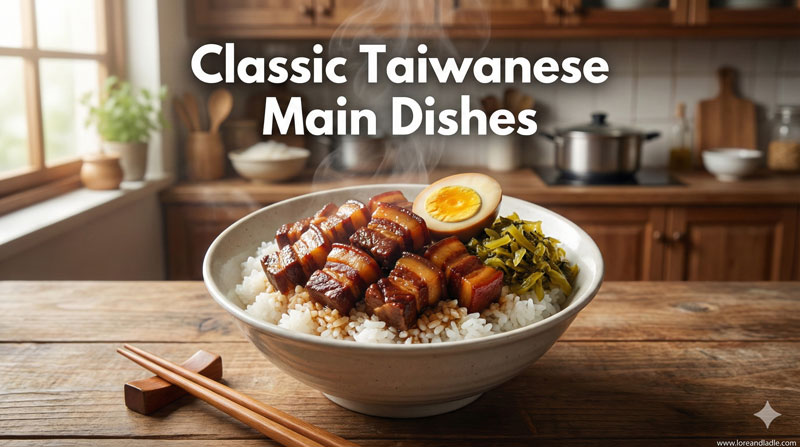
This blog celebrates Best Classic Taiwanese Main Dishes Recipes for New Home Cooks in the U.S. as a thoughtfully curated set of recipes. Each dish is chosen for its simplicity, depth, and ability to nourish both body and spirit. The collection highlights how Taiwanese home cooking echoes daily life, family togetherness, and a respect for seasonal ingredients. It presents a welcoming path for new home cooks in the United States to explore flavors that are both comforting and sophisticated. The aim is clear: to honor the beauty of traditional techniques while inviting practical, home-friendly execution.
Core Flavors and Techniques
Taiwanese main dishes center on balance. Soy sauce provides savoriness, while garlic and ginger lend warmth. Sugar softens a bite, and rice wine brightens the plate. Five-spice powder adds aromatic depth, but its use is gentle, never overpowering. Key techniques include:
- Braising in a shallow pot until flavors meld and meat becomes tender.
- Wok stir-frying to deliver quick, high-heat sizzle that locks in aroma.
- Slow simmering to coax sweetness from bones and cartilage.
- Steaming or gentle braising to preserve meat’s moisture.
- Finishing with a touch of sesame oil and chopped scallions for lift.
These methods produce dishes that are flavorful on their first bite and even more delicious after resting a moment. The result is a comforting, homey style that tastes familiar and new at the same time.
Ingredient Spotlight
Certain ingredients anchor the classic Taiwanese palate. In this collection, you’ll encounter:
- Pork belly and chicken thighs for rich, satisfying textures.
- Soy sauce, dark soy, and a splash of rice wine for depth and brightness.
- Garlic, ginger, and scallions that provide clean, sharp notes.
- Sesame oil for a warm aroma and a silky finish.
- Star anise, rock sugar, and a touch of white pepper to heighten complexity.
- Fresh vegetables like bok choy or napa cabbage to balance richness.
These components work together to create meals that feel both everyday and special. They also map well to ingredients found in many U.S. markets, helping new cooks stay confident while expanding their pantry.
Getting Started in the Kitchen
For new home cooks in the U.S., these dishes offer a friendly entry point. A practical plan helps you build confidence and joy.
- Start with one dish at a time. Build a small repertoire before layering flavors.
- Use a sturdy pot or a wide, seasoned wok. Even heat matters for braising and wok cooking.
- Keep a simple mise en place. Pre-measure sauces, aromatics, and herbs.
- Taste as you go. Small adjustments with salt, sugar, or soy can make a big difference.
- Plan ahead for braises. They often taste best after resting, giving you time to prepare sides.
A few sample dishes to explore first include a braised pork belly, a three-cup chicken, and a beef noodle-inspired broth. Each teaches a core technique while delivering comforting results.
Cultural Value and Everyday Beauty
These classic dishes carry cultural value in the way they express care and hospitality. A family meal centers around shared bowls, a common table, and the unspoken ritual of serving others first. The recipes celebrate patience: slow braises that transform humble ingredients into something memorable. They honor seasonality as well, using what’s fresh in markets to shape the dish’s character. The result is not only a meal but a moment of warmth and belonging.
In addition, the collection shows how food travels and adapts. Local markets in the U.S. offer a window into regional produce, and cooks can honor traditional flavor profiles while embracing their own pantry. The dishes become a living conversation between memory and daily life, between technique learned at a grandmother’s stove and practices developed in a modern, hot-garage kitchen.
Seasonal and Regional Variations
Variation is a natural part of these recipes. If fresh peppers or greens are plentiful, they can brighten a braise or complete a stir-fry. If mushrooms or root vegetables are available, they can deepen textures and add earthiness. The core flavors—soy, ginger, garlic, and a touch of sweetness—remain steady, while the surrounding ingredients shift with the season. This flexibility makes the collection approachable year-round for new home cooks in any region of the United States.
Practical Tips for Authenticity, Comfort, and Confidence
- Choose high-quality soy sauce and a gentle sugar to achieve a balanced glaze. Overly salty sauces can overpower the dish.
- For braises, a patient simmer yields tender meat and a richer sauce. Don’t rush the final reduction.
- Keep aromatics whole when braising; you can fish them out at the end for a clean, aromatic sauce.
- Finish with a light drizzle of sesame oil and fresh scallions to brighten the plate.
By focusing on these principles, you create meals that feel true to Taiwanese home cooking while fitting comfortably into a U.S. kitchen.
Bringing Taiwanese Warmth to Your Table
The dishes in Best Classic Taiwanese Main Dishes Recipes for New Home Cooks in the U.S. invite you to bring a sense of place to your table. They celebrate shared meals, friendly gatherings, and the joy of cooking as a daily ritual. As you explore these recipes, you’ll notice how scent, texture, and balance create a welcoming atmosphere. The kitchen becomes a place of learning, sharing, and feeling connected to a culinary heritage that values both craft and care.
Conclusion
This collection offers more than recipes; it offers a pathway to practice, palate, and perception. By embracing core flavors, practical techniques, and seasonal flexibility, new home cooks can enjoy classic Taiwanese main dishes with confidence and joy. The result is a dining experience that is comforting, flavorful, and deeply satisfying—an invitation to savor tradition while making it your own in the heart of your U.S. kitchen.