
Best Classic Taiwanese Main Dishes Ideas for New Home Cooks in the U.S.
This piece invites you to explore classic Taiwanese main dishes that shine in a home kitchen. It celebrates cultural value, craftsmanship, and culinary significance. Each dish carries a story of ingredients, balance, and the joy of shared meals. For new Home Cooks in the U.S., these ideas offer approachable ways to bring Taiwanese flavors to the table with confidence and care.
The Flavor and Cultural Value of Taiwanese Main Dishes
Taiwanese main dishes center on balance: salty, sweet, sour, and umami meet in harmony. Fresh vegetables, tender proteins, and savory sauces come together with aromas from garlic, ginger, scallions, and aromatic spices. Techniques like braising, simmering, and careful wok cooking create depth and aroma, often finishing with a bright herb or crisp topping. Beyond taste, these dishes embody hospitality. They invite family and friends to gather around a table, share steady warmth, and savor moments of connection. In homes across the U.S., these dishes serve as a bridge to a comforting everyday cuisine that respects ingredients, patience, and the joy of cooking well.
Beef Noodle Soup: Comfort in a Bowl
Beef Noodle Soup is a comforting emblem of home cooking. The beef becomes tender through slow simmering, while star anise, cinnamon, and peppercorn whisper through a rich broth. The noodles add a chewy contrast, and greens brighten the bowl. The dish teaches balance: a strong, savory broth carries the meat, yet freshness from greens and a touch of brightness keep it lively. In a U.S. kitchen, you can start with a simple beef cut, a sturdy stock, and a trio of aromatics. The result is a fragrant, satisfying meal that honors technique and patience. This dish highlights how a single pot can carry depth, memory, and a welcoming aroma that invites others to taste and talk.
Lu Rou Fan: Braised Pork and Soft Rice
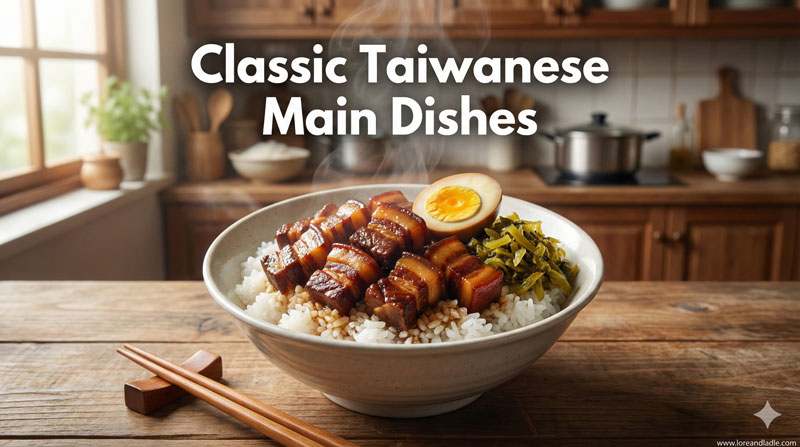
Lu Rou Fan centers on a glossy, umami-rich pork sauce that clings to steamed rice. The pork is slowly braised with soy, a touch of sweetness, and warm spices, letting the flavors melt into the rice below. The result is a comforting plate where simplicity speaks loudly. Cultural value comes from the idea that a humble cut can become deeply satisfying through careful braising and time. In the U.S., you can adapt with locally available pork cuts and regionally available soy sauces, preserving the dish’s gentle sweetness and savory depth. The dish celebrates patience, balance, and the joy of a well-glazed sauce that coats each grain of rice.
Three Cup Chicken: Fragrant Simmer
Three Cup Chicken captures fragrance through a simple, respectful method. The name hints at equal parts of sesame oil, soy sauce, and rice wine, simmered with garlic and ginger until the sauce thickens and coats the chicken. Fresh basil or green herbs added at the end lift the dish with a bright note. The culinary significance lies in its economy of ingredients and its ability to deliver a bold, harmonious aroma. In American kitchens, you can achieve the same effect by selecting a good sesame oil and a balanced soy sauce, then allowing the sauce to simmer gently. The result is a dish that feels both intimate and celebratory, showcasing how few elements can build a memorable flavor profile.
Oyster Omelette: Texture, Brine, and Night Market Joy
Oyster Omelette blends soft eggs, a light starch binder, and briny oysters into a tender, tactile dish. The chewy texture from starch contrasts with the eggs, while the oysters deliver a briny sweetness. Fresh herbs or a hint of chive can brighten the plate. This dish illustrates how texture plays a central role in Taiwan’s culinary tradition. It invites cooks to think about mouthfeel as much as flavor. In the U.S., you can adapt with oyster substitutes or adjust starch amounts to control chewiness. The emphasis remains on harmony: the salty-briny ocean note, the mellow egg, and the gentle cushion of starch—together creating a comforting, shareable main.
Gua Bao: A Handheld Taste of Taiwan
Gua Bao presents a soft steamed bun filled with tender pork belly, pickled mustard greens, cilantro, and crushed peanuts. The combination is playful yet deeply satisfying, showcasing how contrasts—soft bun, rich pork, crisp pickle, and nutty crunch—can coexist beautifully in one bite. The cultural value lies in its representation of everyday street flavors made for home tables. In the U.S., you can prepare the components ahead: braised pork, quick pickles, and a simple herb garnish. Then assemble at the table, allowing each person to build their own flavorful bite. This dish celebrates sharing and the pleasure of customizing a meal to taste.
Vegetarian and Light Main Dishes: Fresh and Flavorful
Taiwanese main dishes also shine with vegetarian and lighter options. A simple stir-fry of greens with garlic, tofu in a savory sauce, or mushroom–bean curd combinations can carry the same emphasis on umami and balance. The cultural value here is the versatile appreciation for seasonal produce and thoughtful sauces. In the U.S., you can keep the integrity of the flavors by using mushroom stock, roasted sesame oil, and fresh herbs. These dishes demonstrate that plant-forward meals can be deeply satisfying and equally rooted in Taiwanese culinary tradition.
Practical Tips for New Home Cooks in the U.S.
- Start with a well-balanced pantry. A good soy sauce, a mild rice wine substitute, garlic, ginger, and scallions form a reliable base.
- Adapt spices to availability. Five-spice powder is common, but you can achieve warmth with a pinch of cinnamon and cloves when needed.
- Substitutions are OK. Dry sherry or a splash of rice vinegar with a touch of sugar can stand in for rice wine in a pinch.
- Don’t fear longer simmer times. Gentle simmering brings out tenderness and depth, especially in braised pork and beef dishes.
- Fresh herbs finish the dish. A handful of chopped scallions or basil can brighten the aroma and lift flavors.
- Keep textures in mind. For oyster omelette or gua bao, aim for a pleasing contrast between soft components and crisp toppings.
Concluding Thoughts: A Living Link Through Flavor
These classic Taiwanese main dishes invite new home cooks in the U.S. to explore culture through food. They celebrate technique, patience, and balance, turning everyday meals into small acts of cultural appreciation. By embracing these dishes, you honor ingredients, share hospitality, and enjoy cooking that respects both tradition and personal taste. May your kitchen become a place where flavor, memory, and curiosity come together around the table.