
Introduction
Taiwanese street food and night market snacks offer a vivid invitation into a cuisine rooted in craft, sharing, and seasonal flavors. For new Home Cooks in the U.S., these dishes reveal how each bite balances texture, aroma, and brightness. The experience is as much about cultural appreciation as it is about cooking technique. In this guide, we explore the cultural value and culinary significance of Taiwan’s street foods and night market favorites, with practical notes for bringing them to your home kitchen.
The heartbeat of a night market
Night markets are social spaces where cooks, neighbors, and friends come together around sizzling woks, fragrant steam, and shared tables. The stalls emphasize quick, flavorful dishes made with fresh ingredients. Each stall showcases a skill, from the precise crease of a bao bun to the crisp of a fried chicken skin. This spirit—the joy of quick, well-balanced food shared in a lively space—translates beautifully to the home kitchen. When you cook these dishes at home, you honor a tradition that prizes hospitality, imagination, and the simple pleasure of a well-timed bite.
Core flavors and culinary significance
Taiwanese street snacks center on harmony. The cuisine blends savory, sweet, sour, and a touch of aroma from spices and fresh herbs. Common techniques—stir-frying over high heat, steaming, braising, and light frying—preserve brightness while building depth. Many dishes use modest ingredients prepared with attention to technique, producing complex flavors in a few bites. This economy of flavor is a hallmark of night market cooking and a rich lesson for home cooks: prioritize balance, texture, and aroma, and let small details carry the dish.
Popular night market snacks explained
- Gua Bao (pork belly buns): Soft steamed buns cradle juicy pork, crunchy pickles, and crushed peanuts. The texture contrast and bright acidity make it a memorable bite.
- Lu Rou Fan (braised pork over rice): Tender pork braised in soy, sugar, and spices sits atop fragrant rice. Simple ingredients become deeply comforting through layering and slow cooking.
- Oyster Omelette: A custardy egg base with oysters and greens, finished with a glossy sauce. It celebrates seafood sweetness and a satisfying chew.
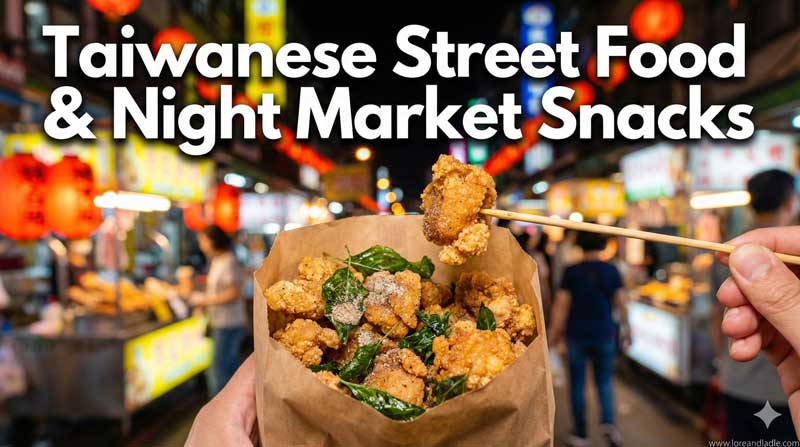
- Taiwanese Fried Chicken (salt and pepper style): Crispy, fragrant chicken bites with a whisper of garlic and pepper. The crust stays crisp when hot, inviting repeated bites.
- Stinky Tofu (fermented tofu): A bold aroma accompanies a creamy center and a tangy dipping sauce. Fermentation adds depth and a unique tang that fans remember.
- Shaved Ice desserts: Crushed ice with toppings like milk tea syrup, beans, and fresh fruit. Texture and temperature play together to refresh the palate.
- Soy milk and breakfast pastries: Warm soy milk paired with light dough bites or crispy fritters introduces gentle sweetness and comforting aroma to start or end a meal.
Each dish showcases a philosophy: simple techniques, generous flavors, and a sense of place. In the home kitchen, these dishes encourage curiosity about ingredients and confidence in processing them with care.
Techniques you can translate to a home kitchen
- Achieve wok-like flavor at home: Preheat your pan until very hot, then add oil and the aromatics quickly. This creates a savory aroma and a glossy surface on proteins and vegetables.
- Master the braise: For pork or chicken dishes, brown first, then slow-cook with soy, a touch of sugar, and aromatics. The result is tender meat infused with depth.
- Crisp without overpowering heat: Double-fry or finish with a brief, hot oil fry to keep crusts crisp while keeping interiors juicy.
- Balance textures: Combine crunchy toppings (peanuts, pickled vegetables) with soft interiors (bun, rice, or steamed bread) to echo night-market contrasts.
- Use bright sauces with restraint: A light sauce or dip brightens the dish without masking the core flavors.
Sourcing and substitutions in the U.S.
The best home cooks thrive with adaptable ingredients. Here are practical tips:
– Oils and aromatics: Use neutral oil for frying and add garlic, ginger, and scallions generously for fresh aroma.
– Soy products and sauces: Look for light soy for balance and darker soy for depth. A small amount of rice wine or Shaoxing wine lifts the dish.
– Fresh vegetables: Pickled mustard greens, cabbage, and scallions are common accents; pickled or quick-pickled greens add brightness.
– Proteins: Pork belly and chicken thighs work well. If you don’t have access to authentic items, a well-marbled pork cut or bone-in chicken can yield rich flavor.
– Grains and buns: Soft steamed buns or small sandwich rolls mimic the texture of bao. If unavailable, use soft, thick bread to cradle fillings.
– Starches: A little potato or sweet potato starch helps create glossy sauces and a silky texture in egg-based dishes.
– Substitutions: Fresh herbs can replace more exotic greens; lime or lemon can substitute for some tangy pickles; dried mushrooms can add depth where fresh are unavailable.
Flavor pairings and how to serve
- Balance with brightness: A squeeze of citrus or a light pickled element helps cut richness.
- Textural contrast: Include a fresh vegetable on the side or a crisp pickle to complement a soft filling.
- Beverage pairing: A light tea or a cold, lightly sweetened drink pairs well with many snacks and helps cleanse the palate between bites.
The craft behind the culture
Taiwan’s street-food scene is built on generations of recipe sharing and technique refinement. Each snack offers a story of careful balance—how a slice of pickled veg brightens a fatty bite, or how a crisp crust gives way to a tender center. This craft is a daily worship of food as nourishment and celebration. When you cook these dishes, you participate in a long tradition of cooks who have perfected timing, heat, and seasoning to produce delicious, comforting meals.
Getting started at home: a simple at-home menu
- Starter: Gua Bao-inspired mini bao sandwiches with marinated pork or mushrooms, crisp pickles, and crushed nuts.
- Main: Lu Rou Fan-style braised pork over jasmine rice, with a side of quick-pickled vegetables.
- Side: Oyster Omelette with a light soy-based sauce or a simplified version using affordable shellfish and greens.
- Dessert or snack: Shaved ice with mango, sweet red beans, and condensed milk.
Tips for beginners: start with one or two dishes to learn timing and balance. Use a trusted wok or skillet, keep your mise en place organized, and enjoy the process of refining each step.
A respectful, inviting approach to home cooking
This cuisine invites curiosity and patience. Approach each dish with curiosity about ingredients, respect for technique, and delight in the finished plate. The result is not just a meal but a small celebration of Taiwanese street culture, offered to friends and family with warmth and care. By preparing these snacks in your kitchen, you honor the artistry and communal joy that define Taiwan’s night markets, while creating new, personal memories around the dinner table.
Conclusion
The best Taiwanese street food and night market snacks offer more than flavor. They convey a culture of sharing, craft, and seasonal awareness. For new home cooks in the U.S., these dishes provide a practical, flavorful path to explore Taiwanese culinary heritage with confidence. Embrace the textures, balance the flavors, and enjoy the process of bringing vibrant street-food character into your own kitchen. This journey is about taste, technique, and the everyday magic of food that brings people together.