
A Quick Welcome to Best Taiwanese Noodle And Soup Bowls Favorites Perfect for Busy Weeknights
Taiwanese noodle and soup bowls carry a warm sense of home. They blend careful technique with easy comfort, making them perfect for busy weeknights. This post highlights the cultural value and culinary significance of these bowls. It invites you to savor the craft behind each broth, noodle, and topping.
The Heartbeat of the Broth: Craft and Character
In Taiwanese bowls, broth is more than liquid. It is the heartbeat that carries aroma, depth, and clarity. Slow simmered bones, garlic, and onions mingle with soy, a touch of sweetness, and optional spices like star anise or cinnamon. The result is a broth that tastes clean yet full, ready to cradle noodles and meats. The broth tells a story of time spent listening to the pot, a tradition shared across many kitchens. When you sip, you taste patience and balance. This is where culture and culinary craft meet.
Iconic Bowls That Shine on Busy Nights
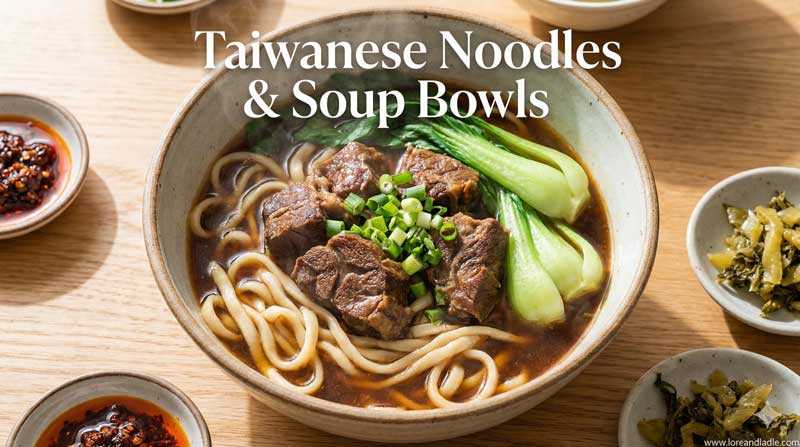
- Beef Noodle Soup: A beloved centerpiece in many homes. Tender beef rests in a rich, fragrant broth with herbs and a hint of sweetness. Thick, chewy noodles soak up the broth and mingle with pickled greens and scallions. It is comfort that travels well from kitchen to table.
- Dan Zai Noodles: A small, soulful bowl with thin noodles and a simple, flavorful broth. Originating from street stalls, this dish invites a quick, mindful bite. Its charm lies in the balance of aroma, noodles’ bite, and a bright finish of fresh herbs.
- Oyster Vermicelli: Delicate seafood notes meet silky vermicelli in a light, comforting soup. Garlic and scallion lift the flavors, while a touch of broth makes the dish feel bright and clean. It celebrates freshness and texture in a gentle way.
Each bowl carries a distinct voice. Together, they show how Taiwanese cooking honors variety within a shared Love for noodles, broth, and careful seasoning. They’re favorites because they adapt to a busy schedule while preserving depth and meaning on every spoonful.
Texture and Noodle Language: The Art of the Bite
Noodles are not interchangeable in these bowls. The texture—chewy, silky, or springy—defines the experience. Thick noodles feel sturdy against a robust beef broth. Slender noodles glide through lighter oyster broth with ease. The noodle choice guides how the broth coats each strand and how toppings cling to the surface. In Taiwanese bowls, texture conversations happen in every mouthful, and diners learn to appreciate the way noodles invite the broth to sing.
Toppings That Tell a Flavor Story
Toppings are where a bowl gains personality. Pickled mustard greens add a sharp, tangy bite. Fresh cilantro or green onions brighten the finish. Braised beef or pork offers a savory richness that lingers. Crispy shallots or a drizzle of chili oil can wake the palate, giving a welcome kick. These toppings are not just decorations; they are ingredients that complete the flavor equation and connect home kitchens to market stalls and family meals alike.
From Market Stalls to Home Tables: A Cultural Ritual
Noodle and soup bowls shine in both busy homes and lively markets. In markets, cooks refine their techniques, sharing tips about broth clarity and noodle texture. at Home, families tailor bowls to their preferences, maintaining a sense of ritual while still moving quickly through weeknights. The practice links generations: the memory of a fragrant kitchen, the sound of simmering broth, and the joy of a hot bowl brought to the table. This shared approach to cooking and eating is a cornerstone of Taiwanese food culture—an everyday celebration that welcomes everyone to the table.
Quick Tips to Bring These Traditions Home
- Prep in advance: Make a big broth batch once a week and refrigerate or freeze portions. It speeds up weeknights while keeping flavor intact.
- Choose flexible components: Pre-cooked meats, pickled greens, and ready-made noodles let you assemble bowls in minutes without sacrificing depth.
- Respect texture: Boil noodles just short of al dente. They should hold up in hot broth without becoming mushy.
- Balance flavors: Aim for a clear, savory broth with a touch of sweetness and a bright finish from herbs or citrus zest where appropriate.
- Practice mindfulness: Even on busy nights, take a moment to appreciate the aroma, the color, and the textures as the bowl comes together.
Why These Bowls Matter in Taiwanese Food Culture
These bowls embody core values of Taiwanese cooking: balance, simplicity, and warmth. They honor the idea that good food is approachable yet deeply satisfying. The dishes invite people to slow down a moment, then savor and share. They remind us that a well-made broth can hold a family’s memories and a neighborhood’s cheer. In short, they’re not just meals; they are small ceremonies that celebrate daily life and craft.
A Small Invitation to Explore
If you’re looking for a comforting, culturally rich way to end a long day, these Best Taiwanese Noodle And Soup Bowls Favorites Perfect for Busy Weeknights offer a welcoming path. Taste the broth’s heartbeat, feel the texture of the noodles, and enjoy the harmony of toppings. Let each bowl remind you of Taiwan’s warmth and the joy of a meal made with care.
Final Reflections
Culinary traditions often travel through simple dishes meant for everyday life. In these bowls, we see a beautiful blend of patience, technique, and heart. They invite curiosity about ingredients, respect for craft, and gratitude for meals shared with others. Whether you cook at home or savor a version from a local spot, these bowls connect you to a rich, comforting food culture that values flavor, balance, and community.