
Introduction
The phrase Best Taiwanese Noodle And Soup Bowls Dishes for Family Dinners in America signals a warm invitation to the table. These bowls blend comforting textures with bright, balanced flavors. They welcome family members of all ages and bring a sense of shared tradition to the dinner hour. In this post, we explore the cultural value and culinary significance of these Taiwanese noodle bowls, focusing on how they enrich home dining in America. The goal is to reveal why these dishes feel right at Home in a family kitchen and how they celebrate technique, aroma, and togetherness.
What makes Taiwanese noodle bowls special
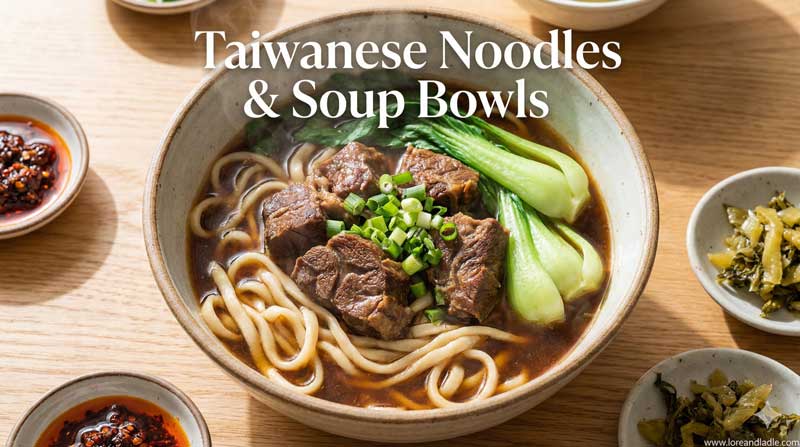
Taiwanese noodle bowls stand out for their harmony. Each bowl layers broth, noodles, protein, vegetables, and aromatics into a single, satisfying experience. First, the broth forms the heart of the dish. It can be clear and light or richly seasoned with soy, star anise, garlic, and ginger. Second, noodles provide texture and character. They are firm enough to hold up to a saucy bite and flexible enough to mingle with tender fillings. Third, toppings and proteins bring color and depth. Pieces of braised beef, slices of pork, or clams pair with greens and pickles to keep flavors lively. Finally, the balance of salty, sweet, sour, and savory notes makes each bowl easy to savor slowly. The result is a dish that feels both familiar and new, inviting conversation as its aroma travels through the kitchen.
Core components and technique
Understanding the core components helps home cooks honor the dish’s essence. The broth is brewed to extract depth without overpowering the other elements. Aromatics like garlic, ginger, scallions, and bay leaves or peppercorns are simmered gently. Noodles should be cooked to al dente, then added just before serving to maintain chew and shine. Proteins range from braised beef to pork belly, sometimes chicken or seafood, each prepared to be tender and moist. Vegetables such as bok choy, spinach, or pickled mustard greens add brightness and crispness. Finally, finishing touches like sesame oil, chopped herbs, or chili oil can elevate aroma and color. The technique centers on balance: a long simmer for richness, a careful noodle finish, and a bright finish from greens or pickles.
Regional twists and home kitchen adaptations
Taiwanese noodle bowls span a spectrum of regional flavors and crave-worthy adaptations. In Taiwan, cooks may emphasize rich braises and deeper soy notes, while household versions in America often lean toward lighter broths and faster weeknight preparations. You can find variations such as beef noodle bowls with tomato accents, or pork braise bowls that lean into five-spice warmth. Fish ball soups, oyster mushroom additions, and leafy greens give a lighter, refreshing counterpoint. In American kitchens, these bowls adapt to available ingredients without losing their core charm. The result is a flexible, family-friendly dish that preserves the feeling of sharing a culturally rooted meal.
The cultural value at family dinners in America
These noodle bowls serve as more than sustenance; they are a ritual of togetherness. As a family gathers, the aroma travels through the cooking space, prompting curiosity and conversation. Each person can customize their bowl, choosing level of heat, noodle type, and toppings. This personalization honors individual tastes while highlighting shared flavors. The act of ladling broth, assembling components, and sharing a single pot fosters collaboration and warmth. Over time, the bowls become a reminder that meals can be both comforting and a doorway to appreciation for another culinary tradition. In this way, the dish strengthens family rituals around dinner, promoting patience, gratitude, and mutual respect for the craft of cooking.
Practical tips for home cooks
- Plan a broth day: simmer a base with aromatics for a few hours, then store for quick bowls later in the week.
- Choose noodles that hold up: thicker or fresh noodles work well for heartier bowls, while thin noodles suit lighter versions.
- Balance your toppings: include greens or pickles for brightness and texture contrast.
- Keep proteins versatile: braised beef, pork, or chicken can be swapped to fit family preferences.
- Adjust heat thoughtfully: offer chili oil on the side so guests control spice.
- Practice timing: par-cook noodles if you’re serving multiple bowls at once, then finish in broth briefly before serving.
- Present invitingly: a clean bowl with vibrant greens, a splash of sesame oil, and a sprinkle of green onions makes the dish visually appealing.
Pairings and serving ideas
- Serve with a light cucumber salad or pickled vegetables to echo the tang of the broth.
- Pair with steamed bao buns or warm coleslaw to add texture variety for family dinners.
- Offer a mild soy-based dipping sauce or chili oil on the side so each guest can customize heat.
- Finish with a citrus note, such as a squeeze of lime or a small wedge, to brighten the dish’s aroma.
Honoring technique and values in the kitchen
The beauty of these bowls lies in their respectful approach to technique. Slow simmering develops depth without overpowering delicate flavors. Noodles are treated with care, maintaining bite while absorbing the broth’s warmth. The toppings are chosen to balance color and texture, ensuring every bite is satisfying. In family settings, sharing bowls fosters attentiveness to others’ tastes and a mindful approach to cooking. This reflects a broader kitchen value: celebrating craft while inviting everyone to contribute.
A welcoming invitation to cook and share
If you are new to Taiwanese noodle bowls, start with a simple, well-balanced broth and a small set of toppings. Invite family members to choose their proteins and greens, turning dinner into a collaborative event. The dish welcomes curiosity and rewards patience. As flavors mingle and aromas swirl, you’ll feel the nourishment not only of the body but of the senses and spirit. In this light, Best Taiwanese Noodle And Soup Bowls Dishes for Family Dinners in America becomes more than a menu item. It is a family-centered celebration of technique, warmth, and shared taste.
Conclusion
Taiwanese noodle bowls carry a culture of care, balance, and craft. They teach us to value patience in simmering, precision in timing, and generosity in sharing. In American family dinners, these bowls offer a bridge between kitchens and a culinary language that welcomes everyone to the table. The dish’s cultural value lies in how it invites conversation, honors technique, and nourishes togetherness. By embracing the flavors, textures, and rituals of these bowls, families can create enduring memories while savoring a dish that honors both tradition and everyday joy.