
Introduction
Welcome to a celebration of the Best Taiwanese Noodle And Soup Bowls Ideas for Taiwanese Food Lovers in America. This post shines a light on the cultural value and culinary significance of Taiwanese noodle and soup bowls. These dishes carry memory, craft, and a sense of place. They invite friends and families to gather, taste, and share stories around a steaming bowl. In America, these bowls weave together local ingredients with traditional technique, creating comforting flavors that feel both familiar and new.
The Soul of Taiwanese Noodle Bowls
Taiwanese noodle bowls express balance. A well-made bowl harmonizes aroma, texture, and depth. Noodles provide a soft, responsive bite. Broth offers warmth and umami. Toppings add brightness, color, and varying textures. The result is an eating experience that feels both nourishing and bright. Each bite can reveal layers of sweetness, salt, and savoriness, guided by careful seasoning and time. The bowls embrace seasonality, making the same dish glow with autumn mushrooms or crisp spring greens. This adaptability helps the bowls stay relevant and beloved across kitchens and cookbooks.
Essential Components: Broth, Noodles, Toppings
- Broth: A good broth forms the backbone. It may be clear and light or deeper and richer. Aromatics like garlic, scallions, and ginger, along with soy or miso accents, bring warmth and depth. A slow simmer unlocks mineral notes from bones and a gentle sweetness from vegetables.
- Noodles: The noodles should be confident yet tender. They invite chewing rather than dissolving into the broth. Fresh or dried varieties offer different textures, so cooks often choose based on the bowl’s mood and the ingredients at hand.
- Toppings: Toppings finish the experience. Think bright greens, sliced chilies, fragrant cilantro, minced pork, or seafood. A little crunch from fried garlic or sesame seeds can elevate the bowl, while a squeeze of citrus adds a lively lift.
Classic Bowls and Their Stories
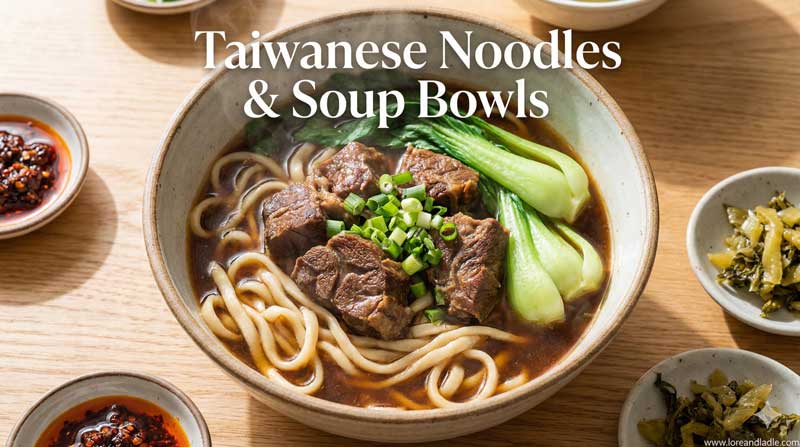
- Beef Noodle Soup: This iconic bowl centers a savory, slow-simmered broth, tender beef, and hearty noodles. It’s a celebration of patience, where time yields depth and comfort in every spoonful.
- Oyster Vermicelli (Oyster Mee Sua): A silky, garlic-inflected broth with plump oysters and vermicelli noodles. The combination feels delicate and luxurious, highlighting coastal flavors and a gentle, lingering finish.
- Braised Pork Noodle Bowl: Tender pork, caramelized soy, and greens on top of noodles create a comforting, homey bowl that speaks to warmth and family meals.
Techniques That Elevate Flavor
- Slow simmering: Gentle heat over long periods releases sweetness from vegetables and depth from bones or meat.
- Layering aromatics: Adding garlic, ginger, scallions, and a touch of sesame oil at different stages builds aroma.
- Noodle timing: Cooking noodles just to al dente and adding them at the end keeps texture bright.
- Finishing notes: A quick drizzle of fragrant oil, a squeeze of lime or vinegar, and a handful of fresh herbs brighten the bowl at service.
Serving Traditions and Shared Moments
In many kitchens, bowls are served steaming hot, inviting conversation and shared spoons. The act of tasting together creates a sense of community and belonging. The bowls often accompany seasonal dishes, pickles, or a simple side of greens, making the meal feel complete. The presentation mixes comfort with care: a clean bowl, a careful arrangement of toppings, and a aroma that invites the first, satisfying bite.
A Window into Taiwan’s Culinary Landscape in America
In American cities, Taiwanese noodle and soup bowls stand as a bridge between traditional technique and local ingredients. Chefs celebrate the fundamentals—clear or rich broths, chewy noodles, bright garnishes—while adapting to regional produce and tastes. This fusion emphasizes respect for craft and a curiosity about flavor. The result is a vibrant dining experience that honors skill and heritage while inviting new palates to discover familiar warmth in a new context.
Practical Ways to Enjoy at Home
- Choose a base: Start with a clear, light broth or a richer, slow-simmered one, depending on mood.
- Pick noodles thoughtfully: Use noodles that hold up to broth without losing bite.
- Toppings matter: Add greens for color and texture, a protein for heartiness, and a bright finish like citrus or fresh herbs.
- Balance flavors: Aim for a gentle harmony of sweet, salty, and savory with a touch of acidity for lift.
- Savor the moment: Slow slurps and mindful tasting help you notice subtle notes and textures.
Conclusion
Taiwanese noodle and soup bowls offer more than sustenance; they convey care, technique, and a timeless sense of place. Through careful broths, confident noodles, and thoughtful toppings, these bowls tell a story of craft meeting comfort. For Taiwanese food lovers in America, they provide a delicious, inviting way to celebrate a culinary culture that cherishes balance, warmth, and shared meals. May your next bowl be a small ceremony of flavor, memory, and belonging.