
Introduction
Introducing the concept of Best Taiwanese Noodle And Soup Bowls Dishes Loved Across the U.S. invites us to savor a family of bowls that celebrate warmth, craft, and shared meals. These dishes blend fragrant broths, springy noodles, and bright toppings into comforting rituals. They stand as a living record of careful technique, fresh ingredients, and everyday joy found in kitchens and eateries across the country. This post invites you to explore their cultural value and culinary significance with curiosity and appreciation.
The Dish and Its Allure
Taiwanese noodle and soup bowls center on balance. A simmered broth offers depth, while noodles provide texture and lift. Toppings add color, aroma, and contrast. The result is a bowl that feels both simple and refined. People turn to these bowls for nourishment, for celebration, and for quiet moments of savoring. In every region of the United States, cooks adapt, yet the core invitation remains the same: a well-made bowl that speaks clearly of flavor, craft, and care.
Core Ingredients and Techniques
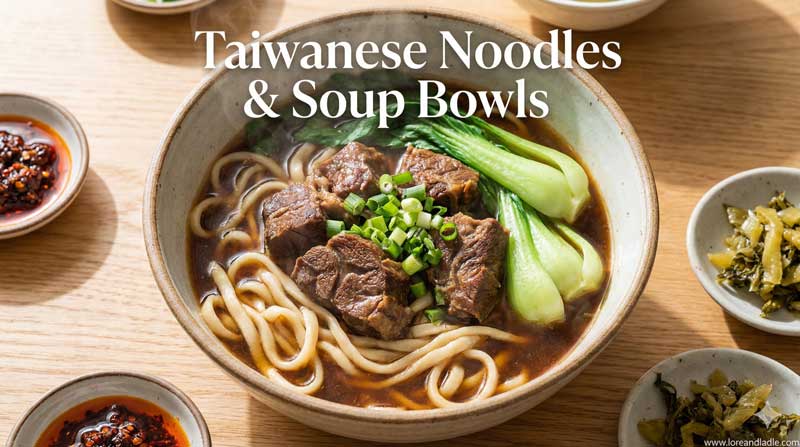
The heart of these bowls is a well-made broth. Aromatics such as ginger, garlic, green onion, and star anise often steer the scent toward warmth and welcome. The meats vary, with braised beef and tender pork taking center stage in many beloved recipes. Noodles come in different textures—from chewy wheat varieties to delicate rice noodles—each chosen to pair with the broth and toppings. Common toppings include bok choy or greens, cilantro, pickled vegetables, and a kiss of chili oil or a mild sesame oil finish. The technique centers on simmering with patience, skimming for clarity, and layering flavors in stages to achieve depth without heaviness.
Craft and Cooking Process
First, prepare a clear, aromatic broth that lets the ingredients breathe. Next, braise or simmer the protein until it is tender and glossy. Meanwhile, cook the noodles separately so they retain their bite. Then assemble the bowl: start with noodles, add the protein, ladle the hot broth, and crown with crisp greens and bright herbs. Finally, finish with a balancing touch—pinch of salt, a splash of soy, a hint of vinegar, or a drizzle of chili oil—to awaken the senses. The result is a bowl that presents clearly and invites repeating bites.
Sensory Experience and Presentation
Steam rises as the bowl meets the table, releasing a bouquet of aroma. The noodles look inviting and absorb the broth’s flavor with each twirl. Tender beef or pork adds satisfying richness, while greens provide freshness and color. The surface sheen from oil or sesame lends a glossy finish. Each mouthful blends heat, salinity, and a touch of sweetness, then cools with fresh herbs. The presentation emphasizes balance, color harmony, and the comfort that comes from a well-constructed bowl.
Cultural Value in the U.S.
These noodle and soup bowls have earned a special place in many American kitchens and restaurants. They communicate a respect for slow cooking, precision, and mindful layering of flavors. They also celebrate hospitality—sharing a steaming bowl with friends and family, passing around condiments, and savoring conversation that flows with each spoonful. The dishes offer a universal message: good food brings people together, bridging moments of daily life with moments of delight. In this way, they contribute to a broader food culture that values technique, harmony, and warmth.
Regional Inspirations and Variations
Across the United States, cooks adapt these bowls to local tastes while preserving core elements. Some versions lean toward richer broths and bolder spices, while others emphasize clarity and a lighter touch. You may find modern twists that pair Taiwanese styles with nearby ingredients, such as locally grown greens, regional peppers, or house-made noodles. The embracing spirit is the same: a respect for traditional flavor profiles paired with creative, fresh interpretation.
How to Enjoy at Home
To recreate a satisfying bowl at Home, start with a well-seasoned broth-base you enjoy. Prepare your noodles so they remain al dente. Choose a protein you love and braise it until tender. Gather greens, herbs, and a bright finishing oil or vinegar. Assemble with care, tasting as you go. A side of pickled vegetables or a simple tea complements the meal nicely. By keeping steps clear and ingredients fresh, you can savor an authentic-feeling bowl in your own kitchen.
Selecting and Pairing
When dining out, seek bowls that show thoughtfulness in broth clarity, noodle texture, and balance of toppings. A well-made bowl often highlights brightness from herbs and a clean, lingering aftertaste from a careful finishing touch. Pair your bowl with a light tea or an aged soy-based beverage to enhance the savoriness without overpowering it. Simple vegetable sides or pickles can round out the meal, echoing the dish’s balance of flavors.
Final Thoughts
Best Taiwanese Noodle And Soup Bowls Dishes Loved Across the U.S. celebrate a culinary path that blends technique, comfort, and cultural richness. They invite us to slow down, notice the broth’s story, and appreciate the careful craft in every component. Whether enjoyed in a bustling restaurant or a cozy kitchen, these bowls stand as a tribute to flavor, hospitality, and the enduring beauty of well-made food. May your next bowl bring warmth, clarity, and connection with every bite.