
A Friendly Welcome
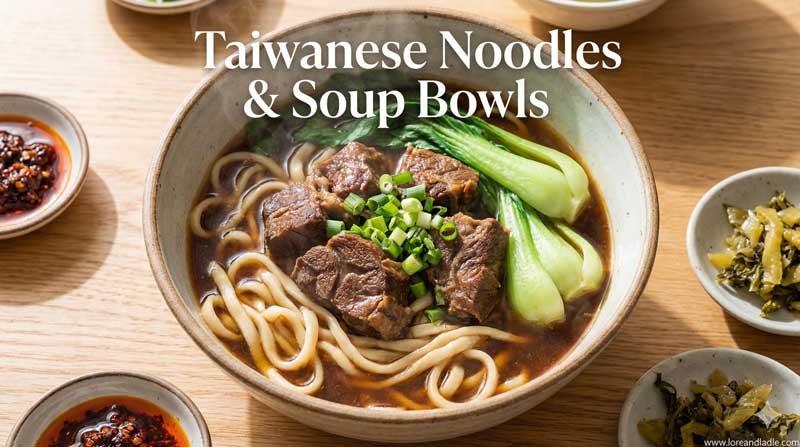
This post invites you to explore the beauty of Taiwanese noodle and soup bowls. The focus is on culture and culinary significance, not on politics or history alone. The idea of the Best Taiwanese Noodle And Soup Bowls Ideas Perfect for Busy Weeknights is to highlight how a simple bowl can carry memory, craft, and shared moments. You will discover how these bowls fuse aroma, texture, and season with everyday life. They speak of patience in simmering, balance in seasoning, and joy in gathering around a warm table after a long day.
The Cultural Value of Taiwanese Noodle Bowls
Noodles have a bright place in Taiwanese food culture. They symbolize movement, luck, and continuity. A bowl of noodles brings comfort and a sense of home, whether enjoyed at a bustling street stall or a quiet kitchen table. The noodles themselves tell a story of craft: they are made with care, boiled to the perfect bite, then dressed with a broth that carries aroma and depth. In Taiwan, bowls are more than meals; they are rituals of sharing, timing, and harmony.
These bowls honor balance. The broth offers warmth and savor, the noodles provide chew and sustenance, and the toppings add color and texture. The result is a dish that feels both humble and refined. This balance is a hallmark of Taiwanese cooking, where sweet, salty, sour, and umami can meet in a single spoonful. The bowls also reflect local farming and markets, where fresh greens, herbs, and proteins come together in quick, respectful combinations. In this way, the Best Taiwanese Noodle And Soup Bowls Ideas Perfect for Busy Weeknights preserve a culture of mindful eating that travels well into busy evenings.
The social aspect matters, too. Sharing a bowl reinforces connection. Friends and family gather, noodles are pulled, and stories flow as steam rises from the broth. Even when time is short, these bowls invite slow enjoyment—one appreciative bite after another. Culture here is not a grand ceremony but a daily invitation to savor the work of cooks, merchants, and home kitchens, all in one comforting bowl.
Core Components and Techniques That Define the Dish
A great Taiwanese noodle bowl rests on three pillars: the broth, the noodles, and the toppings. Each element carries its own tradition and craft, yet together they sing with coherence.
- Broth: The soul of the bowl arrives through a simmered base. A well-made broth carries depth from bones, aromatics, and slow heat. It should feel round, not thin, with a gentle sweetness and a touch of salt that lets other flavors through. Fresh herbs and a hint of sesame oil or pepper refine the finish. Even quick weeknight versions honor this spirit by building flavor ahead of time or using a well-seasoned store broth as a foundation.
- Noodles: The noodles provide texture and lift. They are chosen to hold up to a robust broth while remaining pleasantly firm. In many homes, the goal is a balance: noodles that are sturdy enough to carry toppings but tender enough to slurp easily. The type of noodle matters, but so does how they are cooked—short of overcooking, they retain a satisfying bite.
- Toppings: Toppings bring color, aroma, and contrast. Common companions include braised pork, tender tofu, leafy greens, braised egg, mushrooms, and fish cakes. A finish of scallions, cilantro, chili oil, or fried shallots adds brightness and a final note of aroma. The best combinations feel intentional rather than rushed, yet they come together quickly when planned with a few reliable ingredients on hand.
For weeknights, the goal is elegance through simplicity. A few thoughtful toppings can transform a quick broth into a memorable bowl. The craft lies in balance and timing: align the simmered depth of the broth with the crispness of greens, then crown with a bright finish that says “this is Taiwanese flavor” in a single bite.
Weeknight Variations: Quick Yet Culturally Rich
These ideas lean into speed while preserving cultural essence. Each option honors traditional flavors while offering a practical path for busy evenings.
- Classic Pork-Patterned Broth with Greens: Start with a ready-made broth enriched with a touch of soy and a splash of sesame oil. Add freshly blanched greens, a soft-boiled egg, and thin slices of pork or tofu. A handful of scallions completes the plate. This variation keeps the feeling of a traditional bowl while cutting down on simmering time.
- Ginger-Garlic Chicken Noodle Bowl: A bright, quick broth highlights garlic, ginger, and a small amount of rice wine or vinegar for lift. Top with minced chicken, blanched bok choy, and a drizzle of chili oil. The result is a fragrant bowl that tastes fresh and lively, perfect for a busy night.
- Mushroom and Nori Umami Bowl: Use a mushroom-forward broth with a touch of soy for depth. Add baby greens, a soft-cooked egg, and mushrooms such as shiitake or enoki. A sprinkle of nori sheets lends a delicate sea-note. This is a comforting vegetarian route that still carries the soul of Taiwanese noodle bowls.
- Five-Ingredient Weeknight Classic: Choose a single protein (pork, chicken, or tofu), one leafy green, one egg, one noodle, and one bright finishing element (scallion or chili oil). This keeps cooking focused while delivering a faithful flavor profile of Taiwanese noodle bowls.
What ties these variations together is respect for texture, balance of flavors, and a sense of time-honored technique. Even when simplified, the bowls carry the cadence of daily life and the joy of shared meals.
Celebrating Craft and Community Through a Bowl
The cultural value of Taiwanese noodle bowls shines in the way recipes travel from market stall to family table. Craft is visible in the selection of ingredients, the careful simmer, and the careful plating. Community is clear in the way bowls are served—whether at a tiny stall or at Home, the bowl invites conversation and connection.
Home cooks learn from family memory. A grandmother’s note about how long to simmer the broth, or how much soy to add for balance, becomes guidance that travels with the recipe. Vendors and home cooks alike keep the flavors alive by tweaking toppings and textures to suit the season while preserving the core essence. This shared craft—adapting, refining, and passing down—keeps the tradition vibrant and relevant for busy people today.
The bowls also celebrate regional variation. You may taste small differences in soy, aromatics, or greens from one kitchen to the next. Those differences are not distractions but expressions of place, season, and preference. In this way, the Best Taiwanese Noodle And Soup Bowls Ideas Perfect for Busy Weeknights become a living map of culture—dynamic, personal, and approachable.
Practical Tips to Preserve Flavor on Busy Nights
- Plan ahead: Make a larger pot of broth once a week and freeze in portions. Thaw and reheat with a splash of water or stock for quick bowls.
- Stock smart toppings: Keep a small set of toppings that travel well—green vegetables, boiled eggs, tofu, and pre-cooked meats. This keeps assembly fast without sacrificing taste.
- Use a reliable noodle choice: Keep a few go-to noodles that hold up well in broth. Cook them just before serving for the best texture.
- Layer flavors: Add a bright finish with fresh herbs, a touch of sesame oil, or a small amount of chili oil. A quick drizzle can elevate a simple bowl to something memorable.
- Balance is essential: Even in quick versions, aim for a measure of sweetness, salt, sourness, and umami. A quick taste test can guide adjustment before serving.
These tips help keep the cultural flavor intact while meeting modern schedules. They honor the dish’s culinary significance and ensure that every bowl remains a small ceremony of taste and care.
Final Thoughts: The Beauty of Taiwanese Noodle and Soup Bowls
The Best Taiwanese Noodle And Soup Bowls Ideas Perfect for Busy Weeknights showcases how cuisine can be both practical and poetic. Each bowl reflects a careful balance of technique, texture, and taste. The broth carries memory and warmth; the noodles provide a sustaining bite; toppings give color, aroma, and variety. Together, they form a daily practice of sharing that enriches family life and local food culture.
If you seek a way to bring cultural richness to a hectic evening, turn to these bowls. They invite curiosity, nurture comfort, and celebrate craft. In every steaming spoonful, you taste a piece of Taiwanese culinary heritage—timeless, welcoming, and wonderfully suited to busy weeknights.