
Introduction
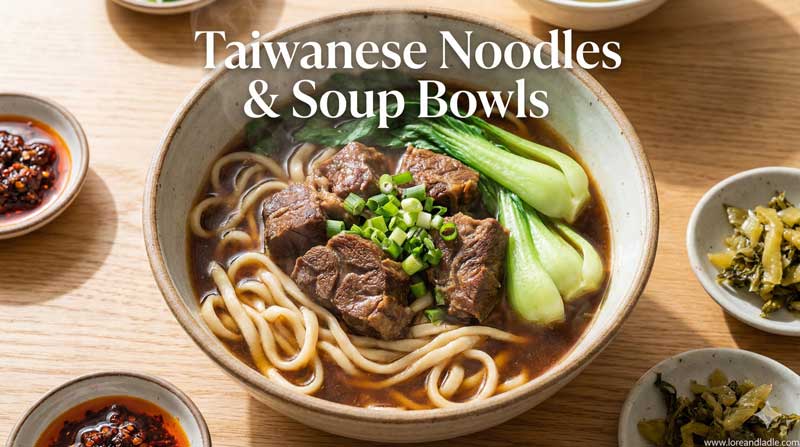
The dish collection titled Best Taiwanese Noodle And Soup Bowls Recipes That Are Trending Right Now invites readers to explore a vibrant corner of culinary culture. These bowls capture daily life, craft, and hospitality in Taiwan’s kitchens and markets. They celebrate balance, aroma, and the joy of sharing a hot bowl with friends and family. In this post, we focus on the cultural value and culinary significance behind these bowls, inviting you to taste the stories that simmer in every simmering pot.
The Cultural Heartbeat of Taiwanese Noodle Bowls
Taiwanese noodle and soup bowls are more than meals; they are daily rituals. They arrive from street stalls, neighborhood eateries, and home kitchens with equal grace. Each bowl tells a story of seasonality, technique, and patience. The careful simmering of broth, the precise balance of salt and sweetness, and the thoughtful arrangement of toppings all reflect a culture that values harmony and attentiveness. When you try these bowls, you experience a moment of hospitality where warmth, fragrance, and color come together to create comfort that is instantly familiar yet continually intriguing.
Broth as a Language
The broth is the language of these bowls, speaking through depth and clarity. In many iconic examples, pork bone broth forms a rich, soothing base that carries bone marrow’s sweetness and a long, clean finish. Beef broth offers a robust, savory backbone that allows braised meat and herbs to shine. Chicken-based broths provide lightness and a gentle air of familiarity, while seafood broths bring delicate mineral notes and oceanic brightness. Vegetarian and mushroom-infused broths emphasize earthiness and umami in a way that honors seasonal produce. Each broth style has its own heritage within Taiwanese cooking, and each serves as a canvas for the toppings and noodles that follow.
Noodles: The Silk That Carries Flavor
Noodles are the texture heart of these bowls. They range from slender wheat strands that lift easily with a light bite to wider, sturdier noodles that cradled by bold broths. Some bowls feature rice noodles, which offer a different absorbency and a comforting chew. The noodle choice matters because it shapes how broth and toppings mingle in every mouthful. When done well, noodles act as a conductor, guiding aroma and texture from spoon to tongue while remaining resilient against a long simmer and generous toppings.
Toppings: Layers of Tradition
Toppings in Taiwanese bowls add character and nuance. Braised pork, known as a beloved comfort in many homes, often provides a tender, glossy contrast to the broth. A soy-marinated egg brings a savory richness, while pickled mustard greens offer a tangy brightness that clears the palate. Bamboo shoots, mushrooms, and greens add crunch and color, creating a balance of textures. Fresh herbs, scallions, and cilantro add aromatic lift. These toppings do more than decorate; they create rhythm in flavor that changes with each bite, encouraging you to savor different combinations and discover personal favorites.
Regional Flavors Across Taiwan
Across Taiwan, regional preferences shape noodle bowls in delightful ways. In coastal areas, seafood accents shine, while inland cities highlight heartier, meat-forward profiles. Night markets present bowls that mix speed with soul, offering bold seasonings and bright finishes. In both home kitchens and eateries, local produce and seasonings shape the daily menu, preserving a sense of place while inviting modern creativity. This regional variety is part of the culinary fabric, revealing how taste travels through markets, Home Cooks, and street vendors without losing its core essence.
The Social Moment: Eating Together
A shared bowl is a social ritual. Friends and family gather around a table or a counter, passing condiments, appreciating the steam rising from the bowl, and exchanging tastes and recommendations. This communal practice reinforces hospitality and care. In homes and restaurants alike, the act of serving and sharing becomes a meaningful gesture—an easy bridge between generations and a quiet celebration of domestic life. The dishes thriving today reflect this spirit: they are accessible to home cooks yet sophisticated enough to feel special when shared.
Why These Bowls Are Trending
What makes these Taiwanese noodle and soup bowls trend today is their combination of comfort and adaptability. They offer rapid, satisfying meals that can be personalized with easily available ingredients. They invite experimentation—thin or thick noodles, different broths, various toppings—without losing their recognizable essence. They honor tradition while welcoming modern preferences, such as lighter broths, a plant-forward topping lineup, or gluten-conscious noodle options. The trend also grows from a global appreciation for balanced meals: protein, vegetables, and umami-rich broth in a single, nourishing bowl. This balance resonates with cooks seeking depth, clarity, and warmth in their everyday meals.
A Home Kitchen Guide: Embracing the Tradition
If you want to bring these bowls into your kitchen, start with a few practical steps:
– Build a simple yet flavorful broth base. Simmer aromatics, a splash of soy, and a touch of sweetness to taste.
– Choose noodles that suit your broth. Thin noodles for clear, lighter broths; wider or sturdier noodles for rich, hearty ones.
– Prepare toppings in advance. Braised meats, soft-boiled eggs, pickled greens, and vegetables stay vibrant when prepped ahead.
– Taste and balance. Adjust salt, sweetness, and acidity so the broth sings with your chosen toppings.
– Plate with intention. A well-arranged bowl highlights color, texture, and aroma, inviting the first bite.
These steps honor the tradition while giving you freedom to create bowls that reflect your own kitchen personality. The result is not only a meal but a small celebration of culture and craft.
Final Thoughts
Best Taiwanese Noodle And Soup Bowls Recipes That Are Trending Right Now offers more than recipes; it presents a portrait of a living culinary culture. The bowls embody hospitality, memory, and the joy of seasonal ingredients brought together through careful technique. As you explore these dishes, you will notice how broth, noodle texture, and topping choices translate into a language of comfort and delight. The beauty of these bowls lies in their accessibility and their ability to connect people through shared flavor, warmth, and the timeless pleasure of a well-made meal.