
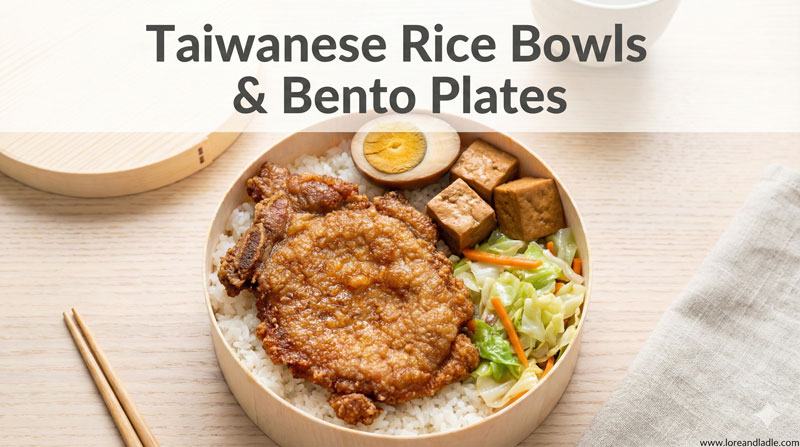
Best Taiwanese Rice Bowls And Bento Plates Ideas for Family Dinners in America
Taiwanese rice bowls and bento plates offer a warm, inviting way to bring a meals-on-table feeling to American family dinners. These bowls place rice at the center, then add savory protein, bright vegetables, and a touch of aromatics. The result is a comforting, balanced plate that invites conversation, sharing, and appreciation for craft in the kitchen. Each bowl tells a story of careful seasonings, technique, and seasonal produce, all arranged with care.
In Taiwan, the practice of assembling a compact, well-rounded meal in a single bowl or box translates beautifully to home cooking. A well-made bowl blends fragrance, texture, and color so the first bite is immediately satisfying. The technique is approachable: braising, quick stir-frying, or simmering sauces deepen flavors, while crisp pickles or vegetables brighten the plate. These bowls feel both familiar and new, making them a delight for family dinners in any kitchen.
Core Flavors and Techniques
The heart of Taiwanese rice bowls lies in a few reliable, expressive flavors. Soy sauce provides depth, while garlic and ginger add warmth. Sesame oil brings a toasty finish, and a pinch of five-spice or star anise adds a gentle aroma. For brightness, a splash of rice vinegar or a touch of pickled vegetables works wonders. The cooking technique often focuses on layering flavors: a protein sears or braises to tenderness, then a pan sauce glazes the meat and coats the rice.
Fresh vegetables complete the plate. Blanched greens, crunchy pickles, and softly cooked mushrooms create contrast in texture. A fried or poached egg on top is a simple, satisfying touch that brings richness and a creamy yolk to mix with the rice. The result is a bowl that feels complete in flavor and balance.
Biandang: The Taiwanese Bento Tradition
Biandang, the beloved Taiwan-style lunch box, offers insight into the care that goes into a family dinner. A typical biandang layers protein, vegetables, and a small helping of pickles with rice in neat compartments. This presentation makes portions clear and appealing, especially for family mealtimes. When adapting biandang Ideas for American kitchens, you can keep the spirit—careful arrangement, a pleasing color palette, and a story in each component—while using ingredients that are easy to source locally. The cultural value lies in the attention given to every element: aroma, texture, and color come together to create a table that feels inviting and thoughtful.
Building a Balanced Plate for Family Dinners
A well-composed Taiwanese rice bowl follows a simple balance:
– A soft, sturdy bed of rice
– A savory protein with a glossy glaze or braise
– A bright, crisp vegetable element
– A small tangy or pickled counterpoint
– Optional egg for richness
To serve in America, consider these practical builds:
– Braised pork over rice with pickled mustard greens and a soft-cried egg
– Three-Cup Chicken with garlic, ginger, and fresher greens on the side
– Beef and mushroom suitor over rice with cucumber ribbons for crunch
– Tofu and vegetable medley with a sesame-soy glaze, finished with a sesame egg
Arrange colors in a gradient from pale to deep to make the plate visually inviting. Keep portions moderate, so the bowl remains approachable and satisfying for all ages.
Dishes to Try at Home
- Lu Rou Fan-Inspired Braised Pork Rice: tender pork in a soy-broth glaze, served over steaming rice with pickled vegetables
- Three-Cup Chicken Bowl: chicken braised with garlic, ginger, and sesame oil, plated with greens
- Beef and Mushroom Bowl: thinly sliced beef with mushrooms in a savory sauce, over rice
- Tofu and Greens with Garlic Sauce: soy-based glaze, crisp-tried greens, and rice as the foundation
- Oyster Omelet-Inspired Bowl: a light, egg-forward topping on rice with a vegetable stir
- Quick Pickled Carrot and Cucumber Side: brightens any bowl and adds crunch
These options emphasize technique and flavor harmony, making them accessible for American kitchens while staying true to Taiwanese taste profiles.
Pairings and Presentation: The Art of a Balanced Table
Pair the bowls with simple sides that enhance the meal without overwhelming it. Fresh fruit or a light salad provides a refreshing contrast. Tea, especially green or oolong, complements the meal with a clean, cleansing finish. For presentation, use a shallow bowl or a compartment plate to echo the biandang feel. A tidy arrangement helps guests see the care behind each component and makes mealtime feel special.
Practical Tips for American Kitchens
- Start with pantry staples: soy sauce, sesame oil, garlic, and ginger. Add black vinegar or rice vinegar for brightness.
- Find Asian markets for pickles, miso, or preserved vegetables; or use store-bought pickles to speed assembly.
- Use a skillet or pan to glaze proteins, then spoon the sauce over rice to create a glossy finish.
- Cook vegetables quickly to keep their color and crunch. A quick blanch or sauté preserves texture.
- Build ahead where possible: braise, cool, and rewarm the protein on dinner day for convenience without sacrificing flavor.
A Gentle, Welcoming Table
Best Taiwanese Rice Bowls And Bento Plates Ideas for Family Dinners in America invites warmth, conversation, and a shared appreciation for craft. The bowls marry time-honored technique with the bright, practical needs of everyday family meals. By focusing on balance, color, and aroma, you bring a piece of Taiwan’s culinary heart to your American table. With careful preparation and thoughtful presentation, these bowls become more than food; they become a comforting ritual that welcomes family, sparks curiosity, and honors the beauty of well-made, home-cooked meals.