
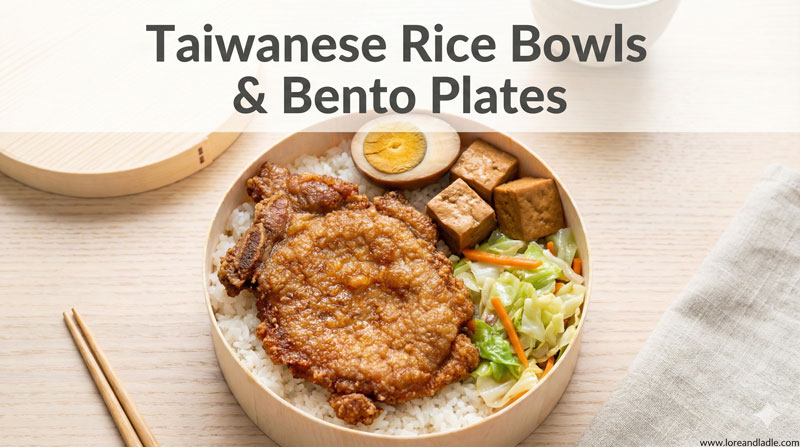
Discovering the Best Taiwanese Rice Bowls and Bento Plates: A Cultural Snapshot
Taiwan’s daily meals arrive in bowls that marry comfort with craft. The Best Taiwanese Rice Bowls And Bento Plates Recipes That Bring Taiwan’s Flavors to Your Kitchen invite you into a kitchen ritual that blends memory, seasonality, and skill. These bowls are more than food; they are a quiet celebration of balance, freshness, and shared moments. From lively morning markets to cozy home tables, the scene is inviting: steaming rice, glossy meats, crisp greens, and a perfume of sesame and soy. In this post, we explore how these bowls carry cultural value and culinary significance, and why they endure as beloved everyday dishes.
Core Flavors of Taiwan in Rice Bowls and Bento Plates
Taiwanese bowls thrive on harmony. Savory braises, gently sweet glazes, and bright pickles sit beside tender proteins and crunchy vegetables. Common pillars include braised pork and minced pork sauce, soy-based glaze, garlic, scallions, and a kiss of sesame oil. Pickled mustard greens, cucumber, or radish add tang and crunch. These elements join over a bed of fragrant short-grain rice, letting each piece speak without overwhelming the others. The result is a menu of bowls that feel both comforting and fresh, rooted in everyday ingredients yet expressive in technique.
The Craft of Plating: Balance, Texture, and Aroma
Plating is more than decoration; it guides the dining experience. In a well-made Taiwanese rice bowl, color blocks catch the eye, while textures alternate between silky rice, succulent meat, and crisp vegetables. Aroma rises from a gentle drizzle of sesame oil and a hint of pepper or five-spice. Each bowl presents a small harmony: protein, greens, and pickles arranged so the fork or chopstick meets a new flavor with every bite. This careful arrangement reflects a cultural belief in balance, attention to detail, and time-honored practice.
Staples and Techniques Behind Every Bowl
Rice forms the foundation, typically short-grain for its stickiness and ability to scoop flavors. Proteins are often braised, simmered, or quickly stir-fried with soy, sugar, and aromatics. Sauces are built with soy, a touch of sugar, and a flutter of aromatics like garlic and ginger. Vegetables provide contrast—crisp cucumbers, tangy pickles, and leafy greens offer freshness. Eggs, marinated or soft-cooked, are common toppings. These techniques emphasize respect for seasonality and the gentle art of layering flavors without overpowering the dish.
From Market to Kitchen: Selecting Ingredients
Creating an authentic bowl begins with choosing ingredients at their best. Look for firm proteins, bright greens, and vibrant pickles. Rice should be fragrant and slightly glossy when cooked. If you can, seek sauces and marinades that carry a clear, balanced flavor rather than heaviness. Fresh herbs and thinly sliced scallions echo the day’s produce and add a final note of brightness. With thoughtful selection, the same dish can feel deeply rooted in Taiwan’s kitchens or vividly modern in your own.
The Social Soul of Taiwanese Rice Bowls and Bento Plates
These bowls carry a social heartbeat. They are common in school lunches, Family Dinners, and street stalls, where sharing a single tray becomes a gesture of care. Preparing bowls together—washing rice, arranging toppings, or packing a lunch box—creates tiny rituals that pass from one generation to the next. The beauty lies in everyday generosity: a bowl placed at the center of the table invites conversation, gratitude, and connection.
Conclusion: Embracing Taiwan’s Flavors in Your Kitchen
The best Taiwanese rice bowls and bento plates bring Taiwan’s flavors to life in homes around the world. They celebrate simplicity, patience, and clever use of everyday ingredients. By embracing their cultural value and culinary significance, you invite a kitchen practice that is warm, respectful, and endlessly creative. Let these bowls be a bridge to Taiwan’s rich food culture, enjoyed one fragrant bite at a time.